









The global noise control system market is on track to hit USD 7.0 billion by the end of 2026, and a good chunk of that spend is happening in pubs, sports bars, and hotel lounges gearing up for late kick-offs. If you're running late-night World Cup screenings this summer, managing noise complaints and getting your hospitality acoustics right isn't optional background detail, it's the difference between a venue that gets shut down after the quarter-finals and one that's still packed out for the trophy lift.
Key Takeaways
|
Question |
Answer |
|---|---|
|
What causes noise complaints during late-night World Cup screenings? |
Hard, reflective surfaces (glass frontages, tiled floors, exposed brick) bounce crowd noise and commentary around a room, pushing it out through doors and windows late into the night. |
|
Is soundproofing the same as acoustic treatment? |
No. Soundproofing blocks sound from leaving a room; acoustic treatment absorbs sound inside it to lower the noise floor. Most venues need both. |
|
What's the fastest fix for a noisy sports bar? |
Acoustic ceiling baffles installed above the screens and bar area, targeting the reflection points causing the loudest buildup. |
|
Do wall panels or ceiling rafts work better for pubs? |
It depends on ceiling height and available wall space; we cover the comparison in detail below. |
|
Will this affect atmosphere during big fixtures like England vs Argentina or France vs Spain? |
Done properly, no. Acoustic treatment targets speech-frequency reflections and doesn't strip the room of energy for the match itself. |
|
Can hospitality venues get fined for noise during late finals? |
Yes, local authorities can issue noise abatement notices, and repeat complaints can jeopardise a premises licence. |
|
What's a realistic budget for treating a mid-size sports bar? |
It varies by square footage and material, but most venues can get a working figure from a proper acoustic calculator before committing to a supplier. |
Why Late-Night World Cup Screenings Create a Noise Problem for Hospitality Venues
Kick-off times for the knockout rounds of the 2026 finals fall late into the UK evening because of the North American host cities. A 2am final whistle means a pub full of supporters cheering, chanting, and celebrating goals well past the point when neighbours expect quiet.
That's a very different acoustic load to a normal Friday night service. A room with painted plaster walls, a wooden floor, glass windows, and a desk against a hard wall will reflect sound back and forth rapidly, creating a buildup of noise, and a sports bar with the same surfaces plus forty shouting supporters is that problem multiplied several times over.
Noise annoys us. It stresses us out. When a match runs to extra time and penalties, the sustained roar from a screening venue can travel further than a licensee expects, especially through single-glazed windows or an open beer garden.
Managing Noise Complaints: What Pub Soundproofing UK Regulations Actually Require
Local authorities in the UK can act on noise complaints under the Environmental Protection Act, and licensing conditions often specify closing times and permitted noise levels for venues showing late football. Pub soundproofing UK requirements aren't a single national standard; they're set condition by condition, borough by borough.
What this means in practice is that a venue hosting a France vs Spain quarter-final at 1am needs to think about two separate problems: keeping sound from escaping the building, and reducing the internal noise floor so staff and customers aren't shouting over each other.
- Sound blocking: stops noise transferring through walls, windows, and doors (mass, seals, secondary glazing).
- Sound absorption: reduces reflections and reverberation inside the room so speech stays intelligible and the ambient volume doesn't escalate.
We're meticulous about keeping these two terms separate because they solve different problems. A venue that only soundproofs its front windows but ignores the hard-surfaced interior will still have a room where everyone is shouting by half-time, and that noise still finds its way outside eventually.
The Acoustics Behind the Roar: RT60 and Why Bare-Walled Sports Bars Amplify Crowd Noise
Reverberation time, or RT60, measures how long it takes sound to decay by 60 decibels in a room. Sports bars with exposed brick, big-screen glass, tiled floors, and high ceilings routinely post RT60 figures well above what's comfortable for speech, and a raucous 90 minutes of match commentary and crowd noise pushes that figure to its worst.
The fix is rarely to "deaden" the building; it is to treat the surfaces causing the worst speech-frequency reflections while leaving the lower frequencies largely intact. That's an important distinction for a sports bar specifically, because you want the bass thump of the crowd atmosphere and the goal celebrations to still land. You just don't want every word from the commentary team smeared into an indistinct wall of noise, and you don't want that noise escaping to the street at 1am.
Did You Know?
Commercial applications, including hospitality and office fit-outs, now account for 37.0% of the entire noise control market.
Source: Future Market Insights
Wall Panels vs Ceiling Rafts and Baffles for Sports Bar Screenings
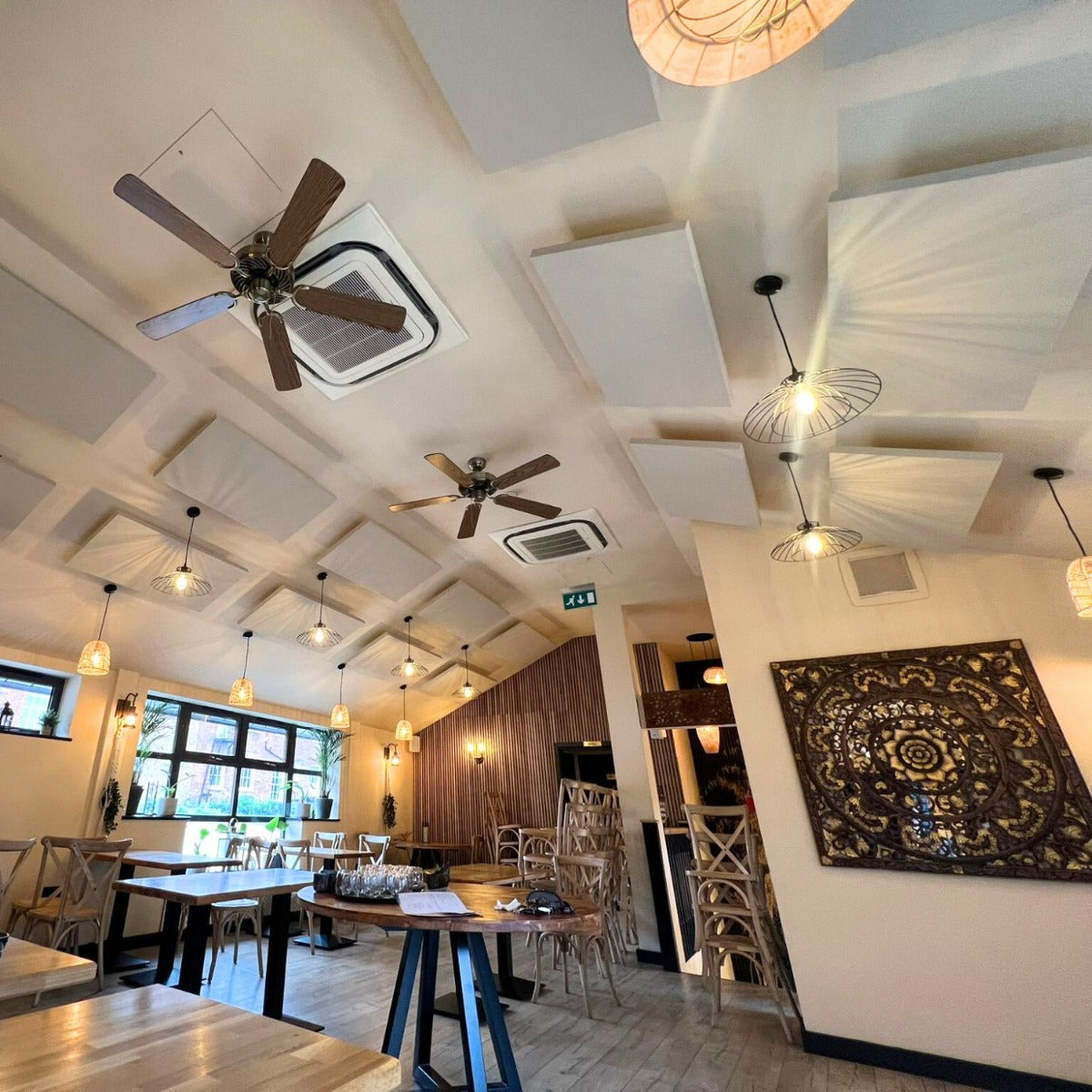
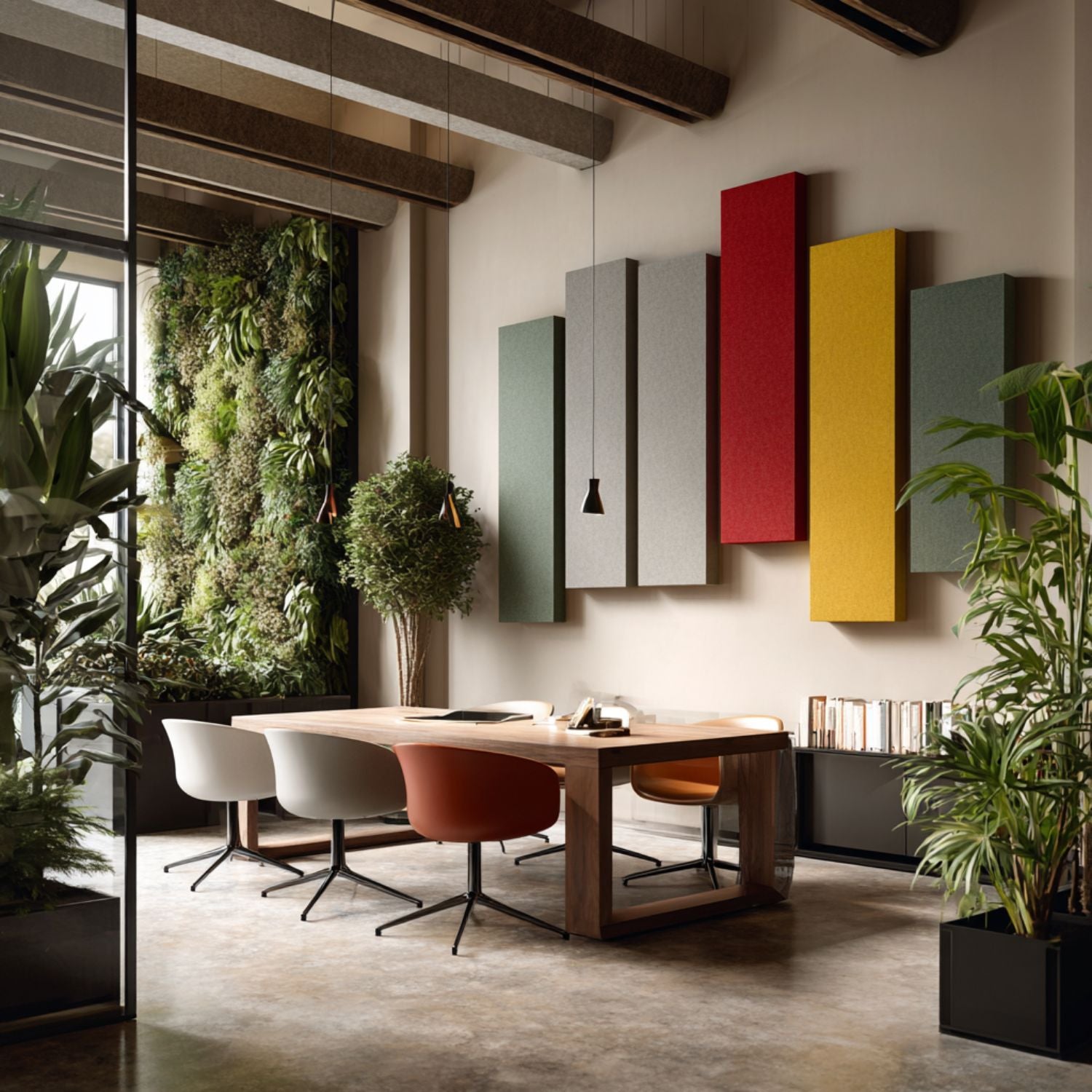
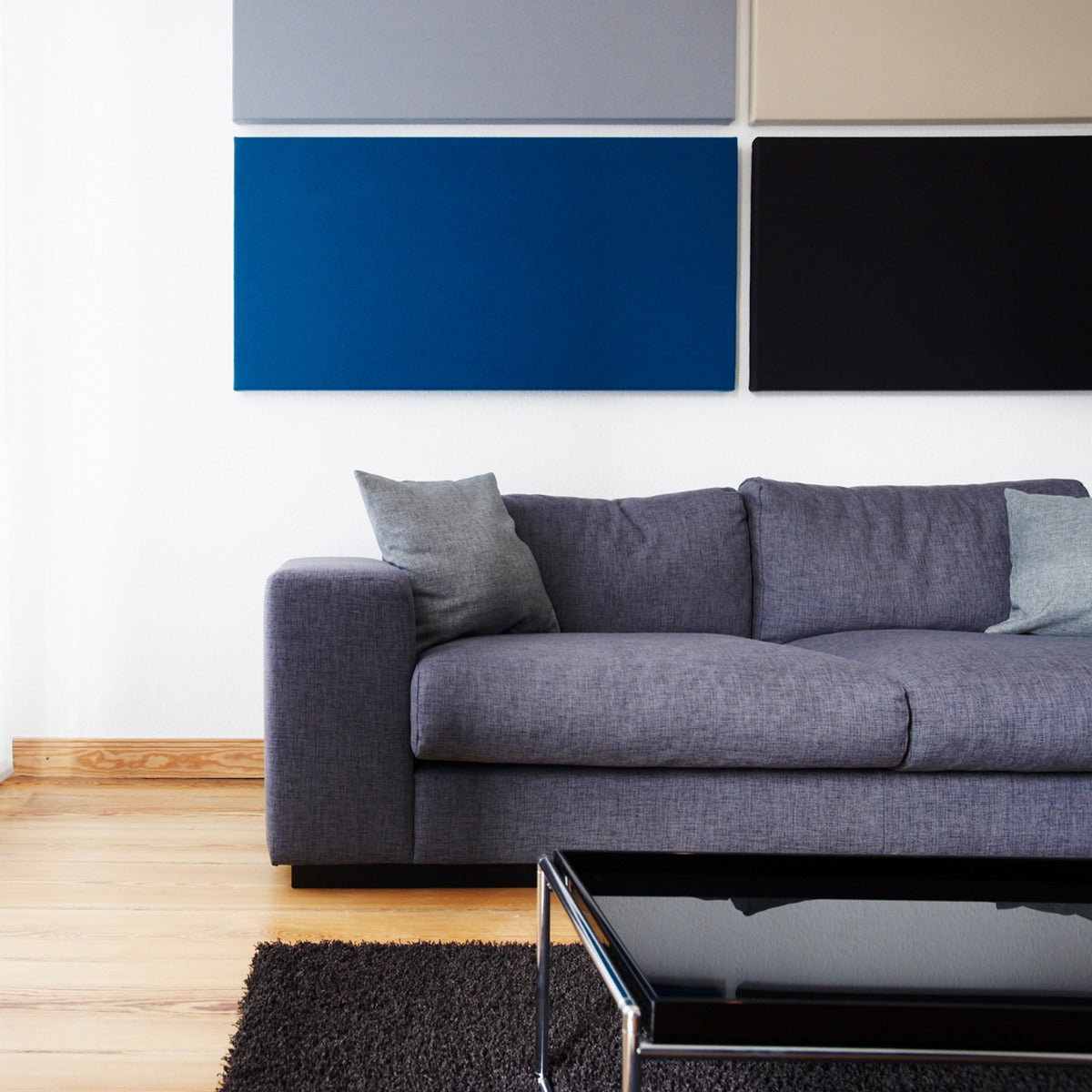
The best choice depends on your room, your ceiling height, your budget, and the specific acoustic problem you need to solve. For a lot of sports bars and hospitality venues, that means choosing between wall panels, ceiling rafts, and baffles, and each has a distinct job to do.
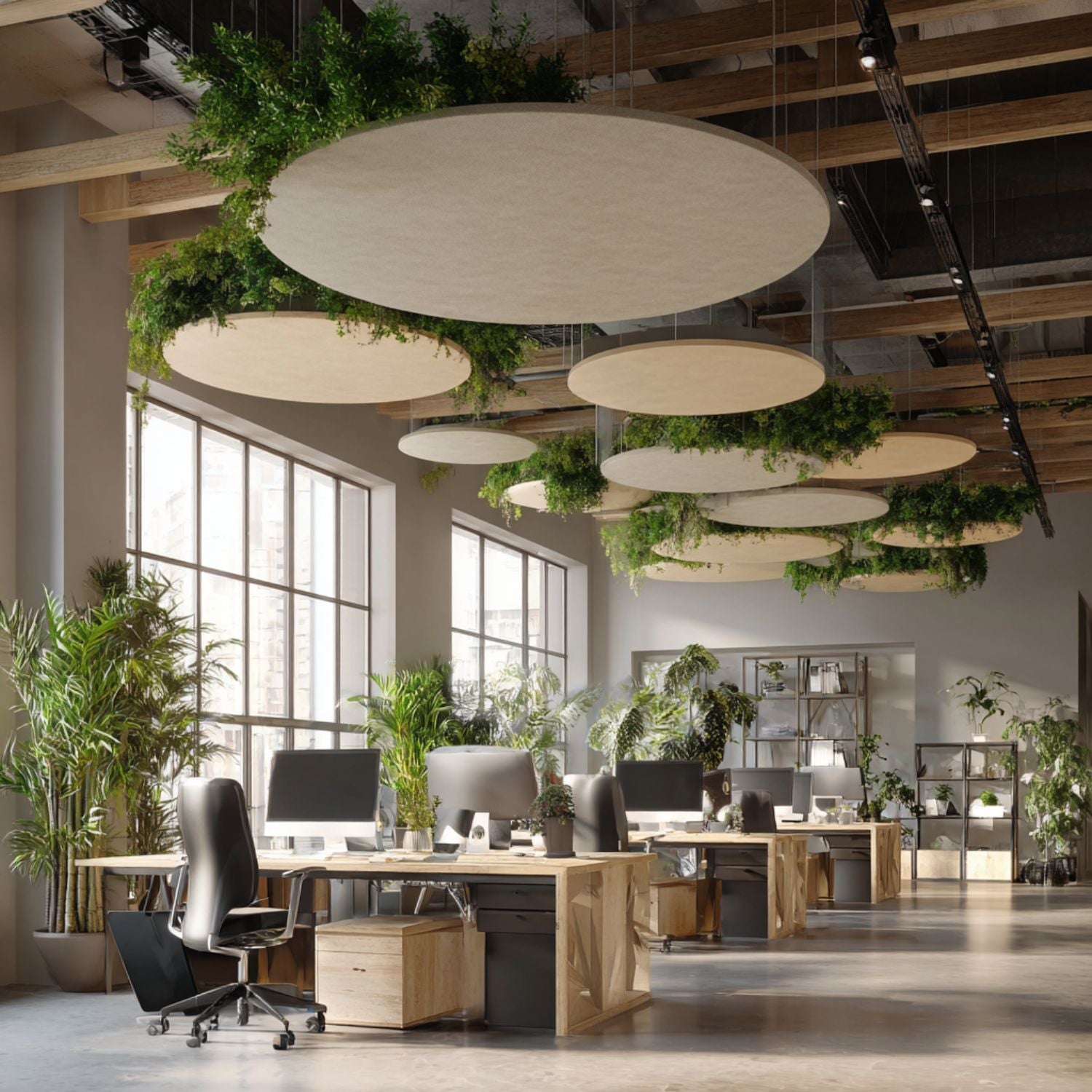
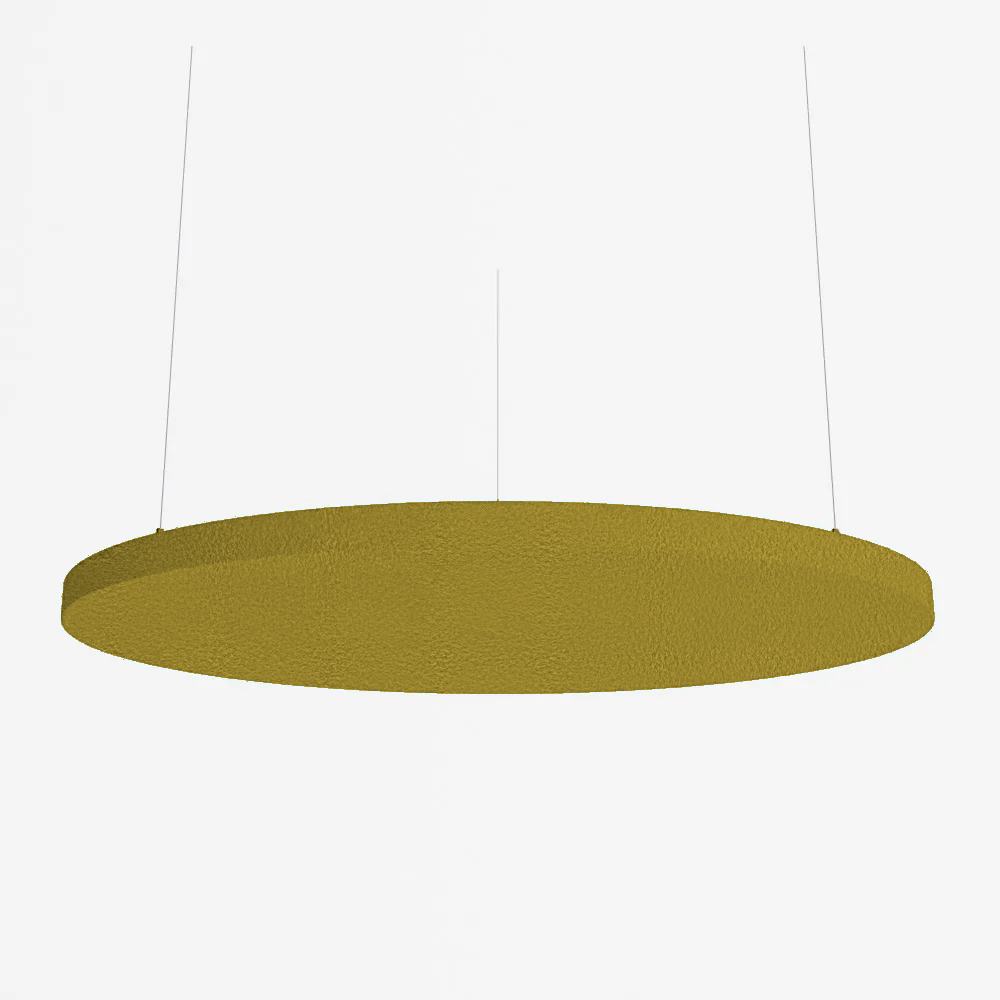
Because a ceiling raft is suspended, it absorbs sound across both faces and its exposed edges, so it removes more total sound energy per square metre than a wall panel. That makes rafts a strong option above a bar area packed with screens, where wall space is already taken up by TVs and signage.
Baffles hang vertically from the ceiling, like fins, and absorb sound on both faces. They're especially effective in high-ceiling spaces such as converted warehouse bars or function rooms being used for a big-screen England vs Argentina prediction night, where standard wall panels simply can't cover enough surface area on their own.
|
Treatment Type |
Best For |
Key Advantage |
|---|---|---|
|
Wall panels |
Standard-height rooms, spare wall space near screens |
Easy retrofit, wide finish choice, low-disruption install |
|
Ceiling rafts |
Bar areas dense with screens, tables, seating |
Absorbs both faces plus edges, frees up wall space |
|
Ceiling baffles |
High ceilings, warehouse-style venues |
Covers large volume of air, works with existing lighting rigs |
Brand Spotlight: Materials That Handle a Full Night of Crowd Noise
Not every acoustic panel is built for the demands of a hospitality venue running back-to-back late kick-offs. We source from established manufacturers precisely because their products are tested for fire rating, durability, and consistent NRC (Noise Reduction Coefficient) performance under real-world conditions.
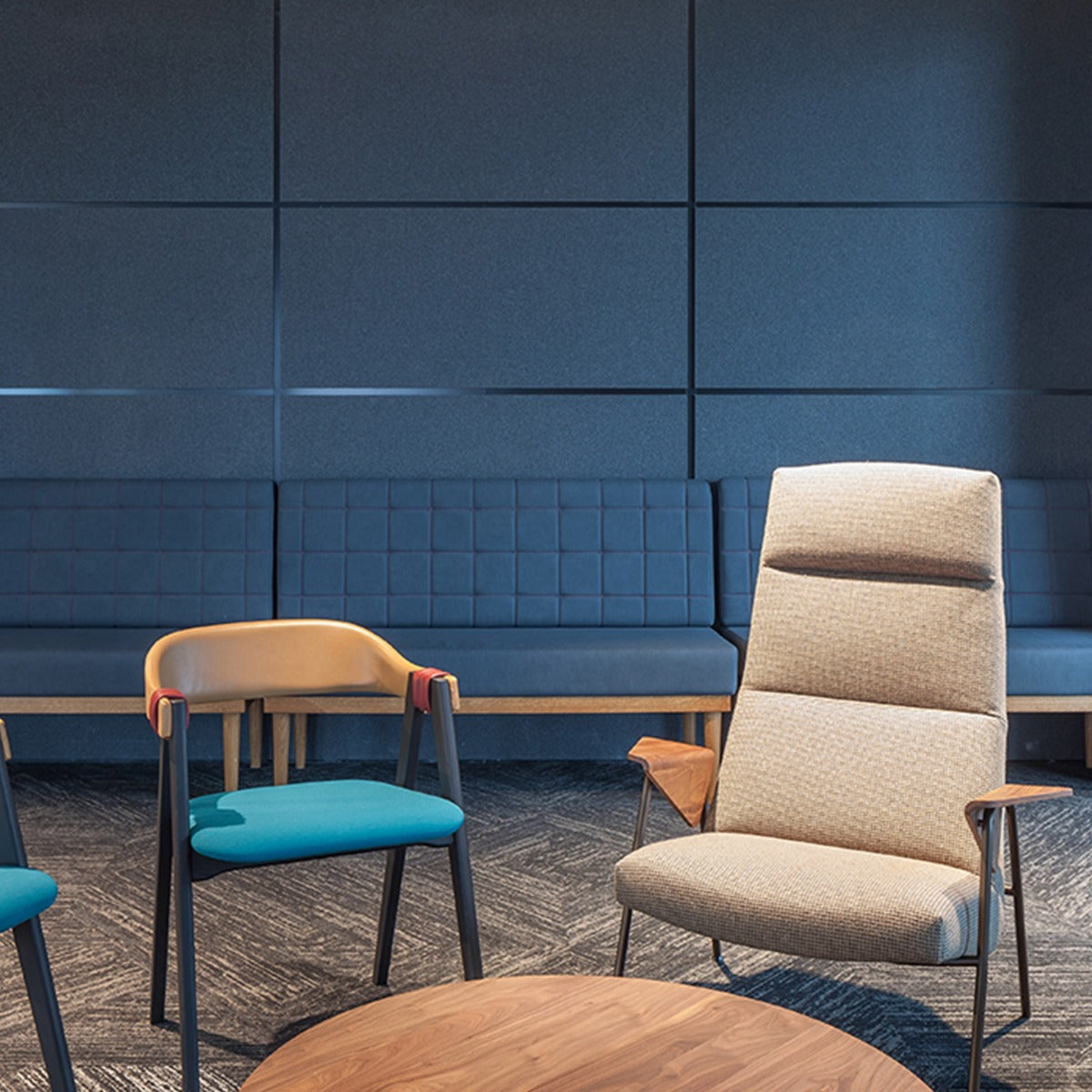
Autex's PET technology panels, made largely from recycled fibre, hold up well in busy hospitality environments because they resist compression and staining over repeated washes. BAUX's X-FELT wall tiles are another option worth considering for venues that want a design-led look that still delivers a serious absorption class, useful for a sports bar that wants to look sharp for the group stages and not just muffle the noise.
Both brands come in a wide range of colours and textures, which matters if you're trying to keep a distinctive room identity rather than covering every wall in the same grey felt.
Hospitality Noise Management for Marquee Fixtures Like France vs Spain and England vs Argentina
Not every match generates the same acoustic load. A group-stage fixture on a Tuesday afternoon is nothing like a knockout tie such as France vs Spain going to penalties at 11pm, or an England vs Argentina prediction match pulling a full house until the final whistle.
Hospitality noise management for these marquee nights means treating your venue for its worst-case night, not its average one. If your room can handle the noise of a packed house through extra time without spilling complaints onto the street, it can handle any regular Saturday afternoon fixture with ease.
We recommend venues walk their space during a genuinely busy screening and note where sound is loudest: near the biggest screen, at the bar, by an open door to a smoking area. Those are your priority reflection points, and they're usually where the first panels or rafts should go.
Acoustic Pods and Private Booths for VIP Hospitality Screenings
Plenty of hotels and members' clubs are running dedicated hospitality screenings for the 2026 finals, often with corporate clients paying for a quieter, more controlled environment than the main bar. For these spaces, a standalone acoustic pod can do a job that wall panels alone can't.
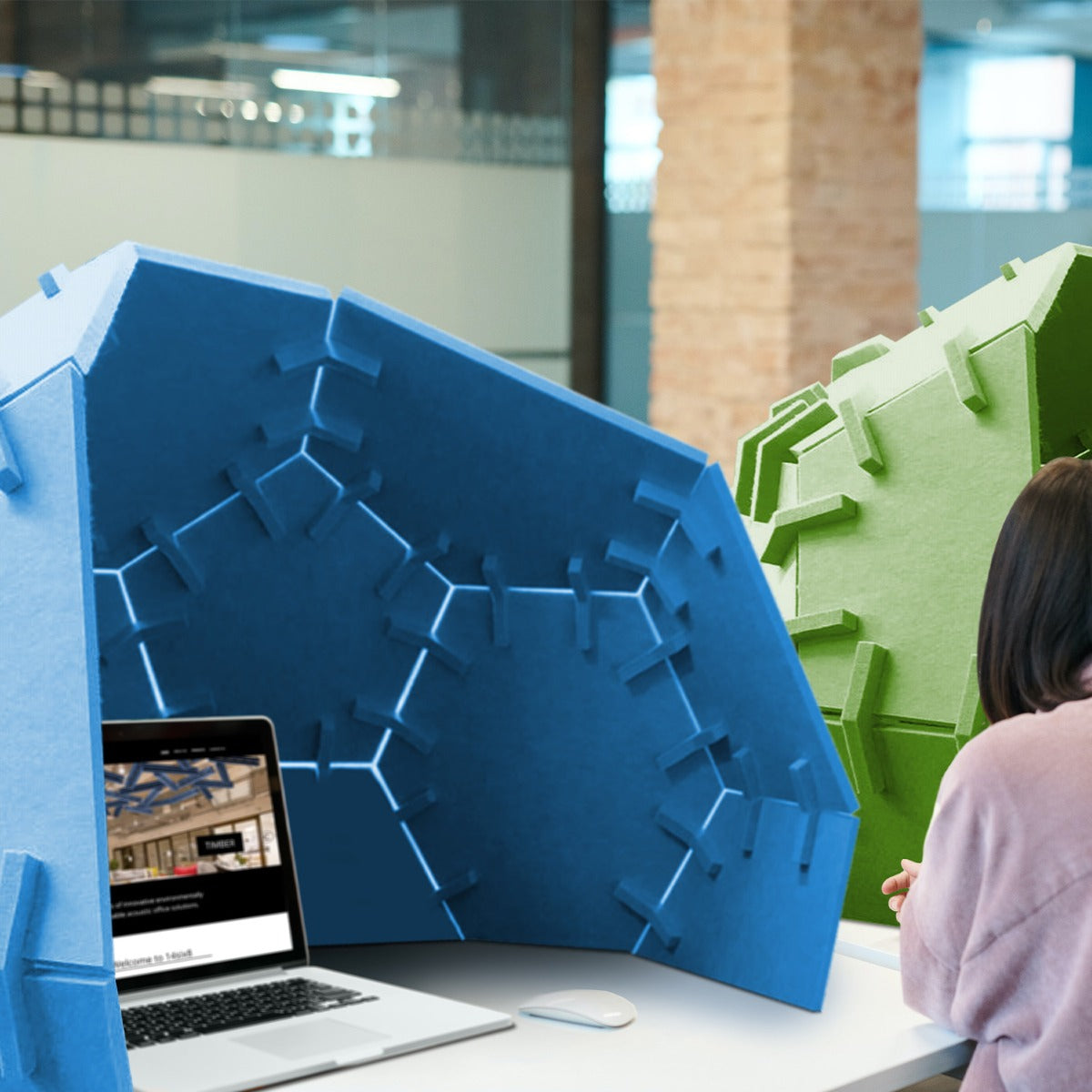
A pod like this creates an enclosed viewing area with its own absorption built into the walls, letting a private group enjoy their own commentary and conversation without adding to the noise floor of the main room, and without the main room's noise bleeding into their space either. It's a practical detail that matters more than it sounds for venues juggling a packed public bar and a paying hospitality package under one roof.
Building a Realistic Budget for Late-Night World Cup Screening Acoustics
The acoustic panel market itself is projected to reach USD 9.1 billion in 2026, which tells you how much commercial demand there already is for exactly this kind of retrofit. That scale means genuine choice on price and finish, but it also means it's easy to overspend on the wrong product for your room.
Did You Know?
Acoustic panels alone are expected to hold 23.0% share of the global noise control market in 2026, driven by commercial construction and tighter enforcement of noise limits.
Source: Future Market Insights
Getting the budget right before you commit to a supplier is the single most useful step a venue manager can take. It takes about two minutes and gives you a realistic working budget before you talk to anyone, based on your room's actual dimensions and surface materials rather than a generic quote.
Investment in acoustic materials is surging as venues prep for late-night matches.
A Joined-Up Approach: Combining Sound Blocking and Sound Absorption
The venues that handle late-night World Cup screenings best rarely rely on one single fix. They combine secondary glazing or door seals to stop sound escaping with internal absorption to stop it building up in the first place, a joined-up approach that addresses both the neighbour's noise complaint and the customer's experience inside the room.
Done properly, acoustic treatment makes the spoken word clear without robbing the music of its life, and the same principle applies to commentary and crowd noise during a match. You still get the roar when the ball hits the back of the net; you just don't get the ringing, muddy buildup that has everyone shouting by the second half.
Conclusion
Late-night World Cup screenings put more strain on a hospitality venue's acoustics than any other night of the calendar, and managing noise complaints properly means treating the room for its loudest possible night, not its average one. Whether you're dealing with a packed sports bar, a hotel bar running VIP hospitality screenings, or a pub trying to stay on the right side of its licensing conditions, the acoustic principles are the same: absorb what's causing the buildup inside, block what's escaping outside.
Get that balance right before the knockout rounds arrive, and your venue can host every late finish between now and the final without a single noise complaint landing on the bar.
Frequently Asked Questions
Will acoustic panels ruin the atmosphere for a big match like England vs Argentina?
No. Properly specified panels target speech-frequency reflections and excess reverberation, not the overall energy of the room, so the crowd atmosphere for goals and big moments stays intact while background noise and shouting drop.
Is pub soundproofing in the UK a legal requirement for late World Cup screenings?
There's no single blanket law, but licensing conditions and the Environmental Protection Act mean local authorities can act on noise complaints, so venues showing late fixtures should treat both sound escape and internal noise buildup as a priority, not an afterthought.
What's the difference between soundproofing and acoustic treatment for a sports bar?
Soundproofing blocks sound from leaving or entering a room using mass and sealed gaps; acoustic treatment absorbs sound inside the room to cut reverberation and reduce shouting. Most sports bars managing late-night screenings need both working together.
How much does it cost to treat a mid-size pub for late-night screenings?
Costs vary with square footage, ceiling height, and the mix of panels, rafts, or baffles chosen, so the most reliable approach is running your room's dimensions through a proper acoustic calculator to get a realistic working budget before requesting quotes.
Are ceiling baffles or wall panels better for a venue full of TV screens?
Ceiling rafts and baffles tend to work better when wall space is already taken up by screens and signage, since they absorb sound on both faces and don't compete for the same surfaces your customers are watching the match on.
Can hospitality venues get fined for noise complaints during the 2026 finals?
Yes, repeated or unresolved noise complaints can lead to noise abatement notices and, in serious cases, put a premises licence at risk, which makes proactive hospitality noise management worth the investment ahead of the tournament's busiest nights.


