












Blog
Blog

Best Acoustic Rafts for Offices
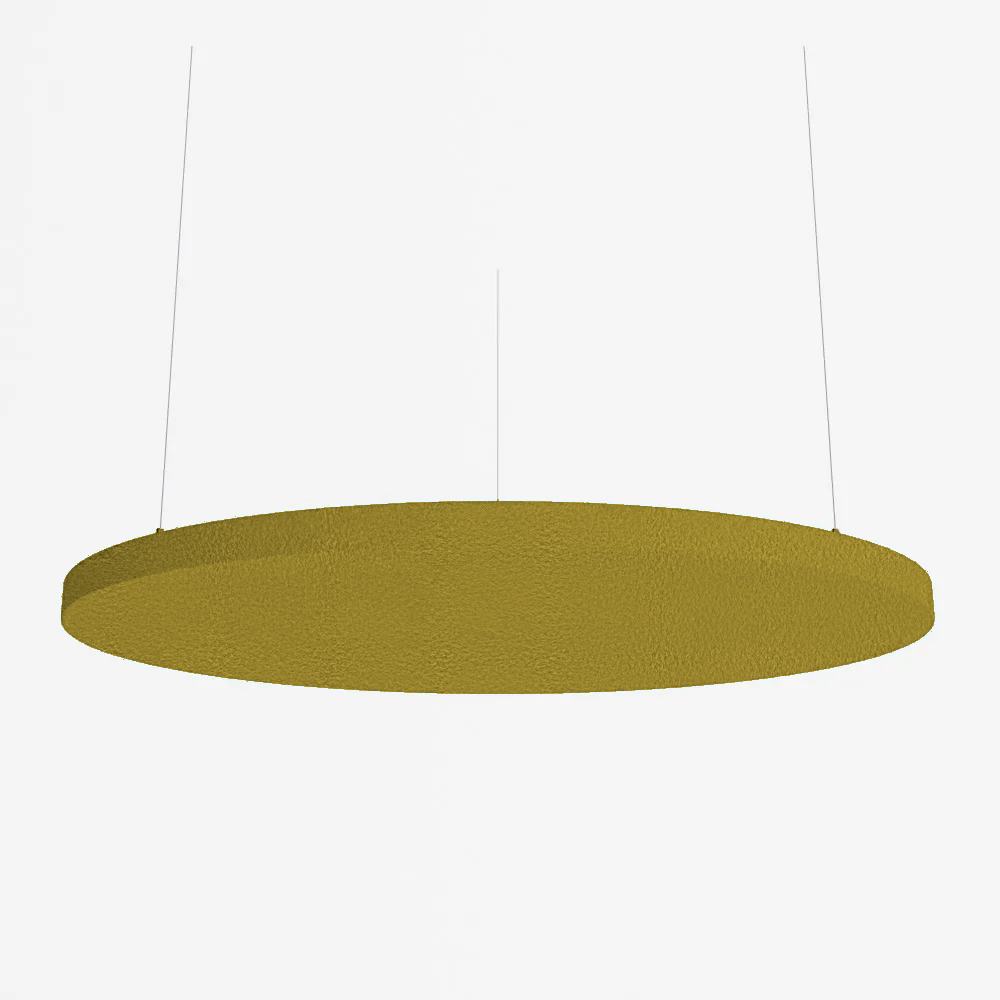
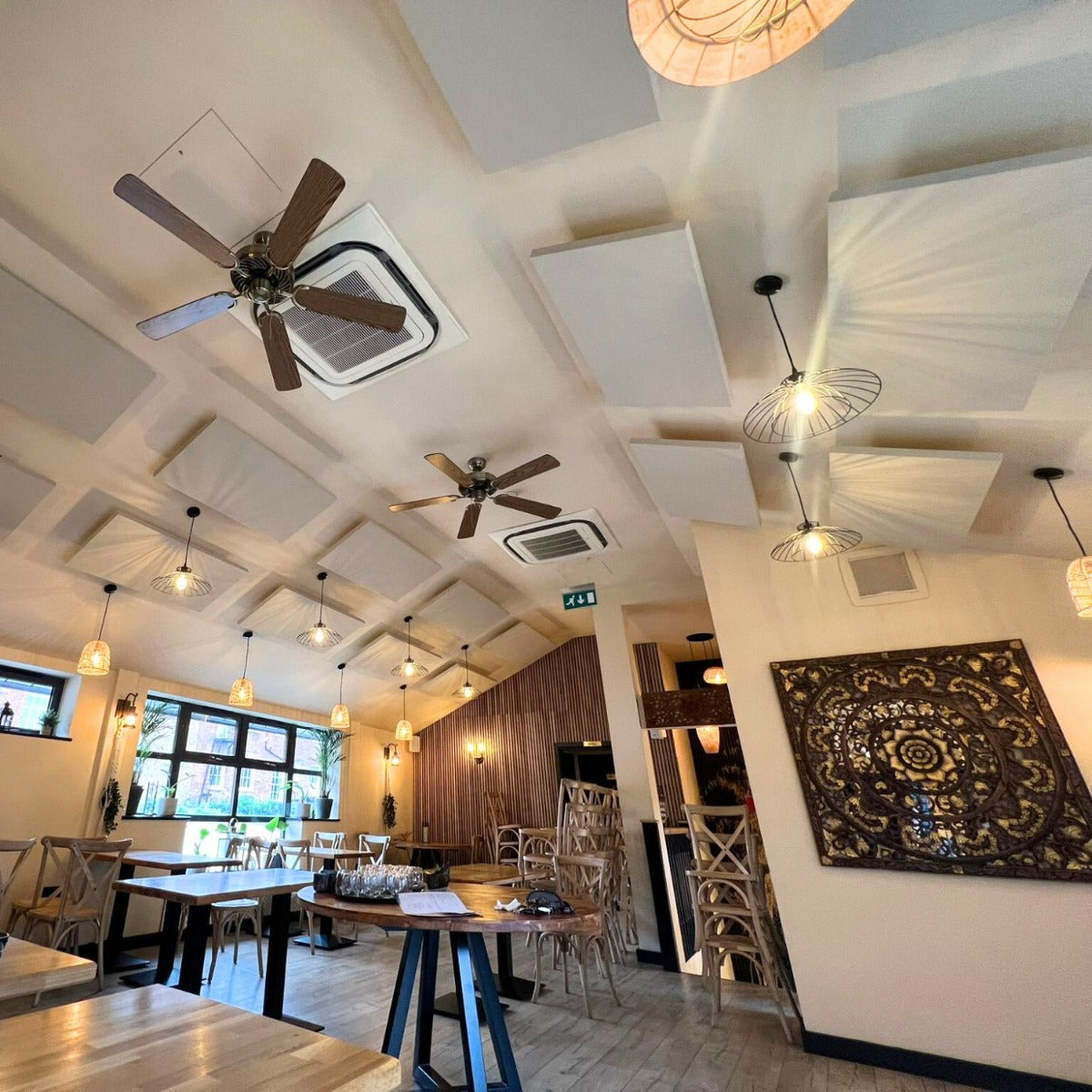
Acoustic rafts are suspended panels that hang below the ceiling and absorb sound on both faces. In offices with exposed soffits, hard floors and glazing, they are usually the most efficient way to bring reverberation down without losing wall space or altering the ceiling itself. This guide covers what to compare, how much coverage you need, and which rafts in our range suit which type of space. How acoustic rafts work A fixed ceiling tile or wall panel absorbs sound on one face. A suspended raft is exposed on both faces and around its edges, so it removes more sound energy per square metre of panel. That makes rafts efficient where usable surface area is limited — which describes most modern offices, where walls are glazed and the ceiling is open services. The result is fewer reflections, a lower background noise level, and clearer speech across the room. Rafts reduce reverberation within a space. They do not stop sound passing between rooms — that is a separate problem requiring mass and sealing, not absorption. Compare our acoustic rafts at a glance Specification SilentSpace Custom Raft Ecophon Solo Circle Ecophon Solo Square Absorption Class A at 40mm(Class C at 25mm) Class A Class A Sizes Made to order, 300 × 300mm up to 2400 × 1200mm 800mm or 1200mm diameter 1200 × 1200mm Finish Camira Lucia or Sonus fabric, 48+ colourways Akutex FT, White Frost Akutex FT, 16 colours Fire classification Euroclass B-s1,d0 Euroclass A2-s1,d0 Euroclass A2-s1,d0 Fixings Gripple hangers and spirals included Suspension kit selected at checkout Suspension kit selected at checkout Supplied as Single panels Pack of 4 Single panel Price from £159 £780 (800mm)£820 (1200mm) £175 Lead time 2–3 weeks, made to order Stock item Stock item Prices correct at August 2026. Standard shapes are also available: square rafts from £99.95, circles from £139 and rectangles from £145. Understanding absorption class Absorption performance in the UK is rated under BS EN ISO 11654, which converts measured absorption into a single weighted figure, αw, and then into a class from A to E: Class Weighted coefficient (αw) Suitability for offices A 0.90 – 1.00 The highest rating, and what you should be specifying B 0.80 – 0.85 Effective, slightly more coverage needed C 0.60 – 0.75 Usable, but noticeably more coverage for the same result D – E 0.30 – 0.55 Not worth the ceiling area in a speech environment You will also see NRC quoted, particularly on products imported from the US. It is a different calculation based on four frequency bands and is not directly interchangeable with an absorption class. If a product is only quoted in NRC, ask for the αw figure or the full octave-band data before you compare it against anything else. Thickness matters as much as the badge on the box. Our SilentSpace rafts are Class A at 40mm and Class C at 25mm — same fabric, same construction, materially different performance. If the specification says Class A, check the thickness you are actually ordering. Fire classification Commercial fit-outs will normally need a Euroclass rating under BS EN 13501-1, expressed as a letter for reaction to fire plus two suffixes: s for smoke production and d for flaming droplets. Do not accept a "Class 0" claim: that was a British Standard classification withdrawn from the Building Regulations and it tells you nothing under the current framework. Both ratings in our raft range carry the best available smoke and droplet performance, s1 and d0. They differ on the letter: Ecophon Solo rafts are A2-s1,d0. A2 is the highest classification achievable by a product that is not entirely non-combustible, and reflects the glass wool core. This is the rating to specify where a fire strategy sets a limited-combustibility requirement — common in escape routes, atria, and taller buildings. SilentSpace ceiling rafts are B-s1,d0. B is the next class down and is accepted in the great majority of standard office fit-outs. If you are working to a fire strategy written by someone else, check which letter it calls for before you order — it is the one specification detail that most often forces a product change late in a project. Certification documents are available on request for anything in the range. Which raft for which space Open-plan offices Distributed circular rafts in clusters work well here. Breaking the treatment into smaller units spread across the ceiling gives more even absorption than the same area concentrated in one place, and it lets you create visual zoning between desk groups without putting up screens. SilentSpace circle rafts come in 48 Camira colourways, so zoning by colour is straightforward. Exposed concrete soffits and high ceilings A bare concrete soffit reflects mid and high frequencies straight back into the room, which is exactly the range that carries speech. Large-format rectangular rafts give you more absorbing area per fixing point and per hour of installation time. Our custom-size SilentSpace rafts go up to 2400 × 1200mm, which helps when you are working around existing services and want the panels to sit within the structural grid rather than fight it. Meeting rooms Meeting rooms are about intelligibility rather than volume. The reflection you most want to catch is the one bouncing off the ceiling directly above the table, which arrives at the listener just behind the direct sound and smears consonants. A raft centred over the table addresses it directly, and the improvement on video calls is usually the thing people notice first. The Ecophon Solo Circle is supplied in packs of four, which typically covers a room of this size. Design-led spaces Where the ceiling is part of the design intent, square rafts in a repeated grid keep the visual rhythm clean while still delivering Class A absorption. The Ecophon Solo Square comes in sixteen Akutex FT colours, and our custom SilentSpace rafts can be made to any size within the range if you need the panels to align to a specific grid or lighting layout. How many rafts do you need? The honest answer is that it depends on room volume, ceiling height, and what the existing surfaces are made of. As a working starting point for a typical office: Aim for 20–40% ceiling coverage with Class A rafts. Lower end for rooms with carpet and soft furnishings, higher end for hard floors, glazing and exposed concrete. Prioritise the ceiling area directly above desks and meeting tables over circulation space. Spread the coverage rather than clustering it — distributed panels outperform a single concentrated block of the same area. If reverberation is still high after ceiling treatment, add wall panels rather than more rafts. For a number specific to your room, our acoustic calculator takes about two minutes and gives you a panel quantity and a working budget before you speak to anyone. Practical points before you order Drop height. Rafts perform better with an air gap behind them, but check the drop against sprinkler coverage, lighting and any fire strategy for the space. Coordination is usually what delays a raft scheme, not the panels. Fixings. Our SilentSpace rafts include hangers and spirals. Ecophon suspension kits are selected separately at checkout — worth checking before you place the order. Samples. Fabric colour reads differently under office lighting than on screen. Order a sample card before committing to a large order. Installation. Prices are supply only. We offer a fitting service — arrange it before purchase rather than after. Rafts or baffles? Rafts hang horizontally, flat to the ceiling. Baffles hang vertically, edge-on, exposing more edge area and less face area to sound arriving from below. Rafts suit offices with normal ceiling heights, where you want a clean horizontal plane and coordination with lighting and services. Baffles suit tall volumes — atria, sports halls, warehouse conversions — where sound is arriving from many directions and vertical fins intercept more of it. For most commercial offices, rafts are the more practical choice. We stock both if you want to compare. When you need more than panels If you are treating a large or acoustically complicated space, working to a specified RT60 target, or dealing with sound transferring between rooms, a measured survey will save you money over guessing at panel quantities. Our sister company Resonics handles survey, design and installation for commercial projects across the UK. For everything else — a meeting room, a floor plate, a studio — buying the panels directly and fitting them yourself is usually the sensible route, and it is what Sonio exists to make straightforward. Frequently asked questions What are acoustic rafts and how do they work? Acoustic rafts are panels suspended below the ceiling that absorb sound on both faces. They reduce reverberation time and improve speech clarity by intercepting reflections before they spread across the room. Are acoustic rafts better than wall panels? They absorb more sound per square metre of panel because both faces are exposed. In offices with glazed walls and limited usable wall space, they are often the more efficient option, though a combination of both usually gives the best result. How many acoustic rafts do I need for an office? Between 20% and 40% ceiling coverage is a reasonable starting point, depending on ceiling height and how reflective the existing floors and walls are. Our acoustic calculator will give you a figure for your specific room. Do acoustic rafts block noise between rooms? No. Rafts absorb sound within a room. Stopping sound transmitting between rooms requires mass and airtight sealing, which is a construction problem rather than a panel problem. What absorption rating should acoustic rafts have? Class A under BS EN ISO 11654, meaning a weighted absorption coefficient of 0.90 or above. Lower classes work, but you will need considerably more ceiling coverage to achieve the same reduction in reverberation. Can acoustic rafts be fitted in an occupied office? Yes. Rafts suspend from the existing soffit or structure with hangers and require no alteration to the ceiling, which makes them well suited to retrofits and out-of-hours installation. What fire rating do acoustic rafts need? Most commercial offices will require a Euroclass rating under BS EN 13501-1. Ecophon Solo rafts are classified A2-s1,d0 and SilentSpace ceiling rafts are B-s1,d0. Where a fire strategy specifies limited combustibility, you will need the A2 rating. Certification is available on request.
Read more
Meeting Room Acoustic Panels: For Clearer Sound and Better Meetings
Poor acoustics in meeting rooms are one of the most common and most overlooked problems in modern offices. People talk over one another, video calls sound muddy, and conversations echo off hard walls and glass partitions. The result is a room where following a discussion takes effort, and fatigue sets in quickly. Meeting room acoustic panels address this directly, by absorbing excess sound energy and reducing the reverb that makes speech difficult to follow. This guide explains how they work, what types are available, and how to choose the right solution for your space. Why Meeting Rooms Are Acoustically Challenging Meeting rooms tend to be small, boxy spaces filled with hard, reflective surfaces. Sound bounces back and forth between walls, ceilings, floors, and furniture before it reaches the listener, creating a wash of overlapping reflections known as reverberation. The longer that reverberation tail, the harder it becomes to separate one word from the next. Some of the most common acoustic problems we see in meeting rooms include: Hard flooring and bare plaster or painted walls with no absorptive surface Glass partitions and windows that reflect rather than absorb Plastic and metal furniture that does nothing to dampen sound AV equipment and conference speakers that add their own reflections into the mix Small room dimensions where sound reflects before it can decay naturally Any one of these factors can compromise speech clarity. In a room where several are combined, the acoustic environment can make meetings genuinely exhausting. Treating the room with appropriate panels reduces reverberation time significantly and makes it far easier for everyone to hear and be heard. How Acoustic Panels Actually Work Acoustic panels are manufactured from porous, fibrous, or foam-based materials that convert sound energy into a tiny amount of heat as sound waves pass through them. Instead of bouncing off the surface and continuing to travel around the room, the energy is absorbed within the panel material itself. The key metric to understand is reverberation time, often written as RT60. This is the time it takes for a sound to decay by 60 decibels after the source stops. A room with a long RT60 feels echoey and reverberant. A room treated with appropriate acoustic wall panels has a shorter RT60, meaning speech clears faster and conversations become significantly cleaner. Panels with a Class A absorption rating deliver the highest level of sound absorption across the frequency range most important for speech intelligibility. When selecting panels for a meeting room, Class A performance is the benchmark worth aiming for. The Main Types of Acoustic Panels for Meeting Rooms Not all acoustic panels are made the same way, and the right choice depends on the level of performance required, the aesthetic you want to achieve, and how the room is used. Here is a breakdown of the main options available. Fabric-Wrapped Acoustic Panels Fabric-wrapped panels consist of a dense absorptive core, typically glasswool or polyester fibre, wrapped in a decorative acoustic fabric. They deliver strong absorption performance and are available in a wide range of colours and shapes, making them a popular choice for professional meeting environments. They can be wall-mounted at key reflection points or suspended from the ceiling as rafts. The SilentSpace Circle Acoustic Panels are a well-regarded option in this category. Available in multiple sizes from 600mm diameter upwards, they combine genuine acoustic performance with a clean, contemporary look. Priced from £115.00, they are a practical starting point for rooms where both function and appearance matter. Glasswool Core Wall Panels Panels built around a glasswool core tend to offer some of the highest absorption coefficients available, particularly at mid and low frequencies where speech energy is concentrated. The Ecophon Akusto One Rectangle Acoustic Wall Panels are designed specifically for high-traffic open spaces including offices and meeting rooms. Available in a range of painted finishes and multiple sizes, they start from £309.00 for a pack of two and carry a Class A absorption rating. The Ecophon range is particularly well suited to rooms where a streamlined, professional finish is needed without sacrificing acoustic output. Their wall panel range works well alongside acoustic ceiling baffles for a more complete treatment of the room. Custom-Sized Wrapped Panels for Walls and Ceilings When standard sizes do not fit the room, custom panels give you the flexibility to treat specific surfaces precisely. The Autex Quietspace Wrapped Wall and Ceiling Panels are a market-leading product for controlling reverberation in both wall and ceiling applications. They are available in custom sizes from £135.00, and can be wrapped in your choice of fabric to match any interior scheme. PET Felt and Textured Panels PET felt panels are made from recycled plastic fibres and are a good option where sustainability and visual interest are both priorities. The Autex Cube and Autex Groove ranges offer patterned surfaces alongside their acoustic properties, which can add a design dimension to an otherwise plain wall. These panels work well in rooms where the meeting space doubles as a creative or client-facing environment. Wall-Mounted vs Ceiling-Mounted: Where to Place Panels Placement has a significant effect on how much improvement you achieve. Panels mounted on walls are most effective when positioned at primary reflection points, which are the spots where sound from a speaker bounces before reaching a listener. In a typical meeting room, this tends to be the side walls adjacent to the main table and the wall behind any display screen. Ceiling treatments, including suspended rafts and baffles, address vertical reflections and can be particularly valuable when wall space is limited by windows, whiteboards, or displays. Ceiling rafts suspended directly above the meeting table intercept sound at the point of origin before it has the chance to scatter widely around the room. In practice, rooms with several hard surfaces benefit most from a combined approach. Wall panels tackle lateral reflections while a ceiling raft or series of baffles handles what comes back from above. Our acoustic ceiling baffles and suspended raft options are designed to complement wall panel installations precisely for this reason. Acoustic Screens as a Supplementary Solution In open-plan offices where meeting rooms are separated by glass partitions or where informal meeting areas sit within a larger workspace, freestanding acoustic screens can provide a useful layer of sound control. They do not replace panel treatments on walls and ceilings, but they do reduce direct sound transmission between adjacent areas and offer a degree of visual privacy alongside their acoustic benefit. Screens are particularly useful in rooms that also function as video conferencing spaces, where reducing ambient noise pickup from surrounding areas improves call quality noticeably. Matching Panels to Your Room and Budget There is a wide range of products across different price points in our full acoustics range, and the right approach depends on how severe the acoustic problem is and what the room is used for. For a small meeting room with moderate reverberation, a handful of fabric-wrapped wall panels positioned at the main reflection points will often deliver a clear improvement. For a larger conference room with extensive glass, a combination of high-performance wall panels and ceiling rafts will give more consistent results across the whole room. Rooms used regularly for video conferencing or with built-in AV systems benefit most from treating the wall behind the screen and both side walls, since these surfaces have the highest influence on microphone pickup and speaker clarity. If you are unsure where to start, our best-selling panels give a practical overview of what works across a variety of room types. You can also browse our office acoustic panels collection, which includes options suited to both individual meeting rooms and larger open-plan environments. Materials, Fire Safety, and Sustainability All acoustic panels in a commercial meeting room should meet appropriate fire safety standards. The panels available through our meeting and conference room collection are manufactured from fire-safe materials and are suited for use in occupied commercial spaces. Many options, including those in the Autex and BAUX ranges, are also made from recycled or sustainably sourced materials, which is increasingly relevant for organisations with environmental commitments built into their procurement criteria. The panels themselves are low maintenance once installed. There is no ongoing servicing requirement, and most fabric-wrapped products can be spot-cleaned if needed. This makes them a practical long-term investment rather than a recurring operational cost. Acoustic Treatment for Other Spaces If you are looking at acoustic treatment beyond the meeting room, the principles are broadly the same across different environments. Our home office acoustic panels collection covers smaller spaces used for remote working and video calls. The school and classroom acoustic panels range addresses the specific challenges of high-occupancy educational environments. For a broader overview of what is available across all spaces, the best acoustic panels guide for 2025 covers a range of products with context on how each one performs. For those working in open-plan offices where meeting areas share a larger floor plate, the 2026 buyer's guide to acoustic wall panels for open-plan offices covers the specific challenges of those environments in more detail. Conclusion Acoustic panels are one of the most cost-effective changes you can make to a meeting room. They do not require structural work, they last for years without maintenance, and the improvement to speech clarity is immediate and measurable. Whether you are managing a single boardroom or specifying acoustic treatment across an entire office fit-out, there is a product and installation approach to suit the space. Browse the full range in our conference and meeting room acoustic panels collection, or explore our new arrivals for the latest additions to the range. If you have a specific room in mind and are not sure where to start, get in touch and we can help point you in the right direction.
Read more
Why are office acoustics so important?
Noise is everywhere in offices. Telephones ringing, air conditioning humming, chatter from colleagues; they are just part of daily office life. The work environment matters, and noise levels at work have a drastic affect on office productivity, with the biggest distractions to work coming in the form of noise. Our brains find it incredibly difficult to zone out from colleague discussions, phone conversations and other sounds which poor office acoustics amplify. This article explains what poor office acoustics actually do to productivity, health, and wellbeing, and what you can do to address the problem with the right acoustic treatment. What Are Office Acoustics, and Why Do They Go Wrong? Office acoustics refers to how sound behaves within a workspace. When sound waves hit hard surfaces — concrete floors, glass partitions, painted plasterboard walls, exposed ceilings — they bounce back into the room rather than being absorbed. This creates reverberation: a build-up of reflected sound that makes the space feel louder and harder to work in. Modern office design has made this problem significantly worse. The shift toward open-plan layouts, minimal soft furnishings, high ceilings, and hard industrial finishes has created spaces that look clean and contemporary but perform poorly acoustically. There is simply less material in these environments to absorb sound before it becomes noise. The result is a reverberant, distracting acoustic environment that affects everyone in the room, whether they notice it consciously or not. How noise impacts us in the workplace Research consistently shows that noise and poor speech intelligibility are among the leading causes of lost productivity in office environments. When background noise and echo make it difficult to concentrate, employees take longer to complete tasks, make more errors, and experience greater cognitive fatigue by the end of the day. The specific issue isn't just volume — it's irrelevant speech. Overhearing fragments of nearby conversations is one of the most disruptive forms of office noise because the brain automatically tries to process language. This process competes directly with reading, writing, and focused thinking, making it genuinely harder to do complex work. Studies have estimated productivity losses of up to 66% on tasks requiring concentration in noisy open-plan offices. Even moderate improvements to the acoustic environment produce measurable gains in output quality and speed. Treating your office with acoustic panels is therefore not an aesthetic choice — it's a practical investment in how well your team can work. How Noise at Work Affects Health and Wellbeing The consequences of a poor acoustic environment go beyond productivity. Prolonged exposure to elevated noise levels is directly associated with increased stress. When the brain is constantly processing irrelevant background sound, cortisol levels rise — even when the person isn't consciously aware they're feeling stressed. Over time, this leads to fatigue, reduced job satisfaction, and higher rates of absenteeism. Employees working in acoustically poor environments report lower overall wellbeing, greater difficulty switching off after work, and a stronger desire to leave the organisation. The link between workplace acoustics and staff retention is well established in occupational health research. There is also a communication dimension. When reverberation is high, speech intelligibility falls. People speak more loudly to compensate, which raises the overall noise level further — a feedback loop that acousticians call the Lombard effect. This compounds both the physical noise problem and the stress it causes. Open-Plan Offices: The Biggest Acoustic Challenge Open-plan layouts present the most demanding acoustic conditions of any office type. With no physical barriers between workstations, sound travels freely across large areas. A conversation at one end of the floor can be clearly audible thirty metres away. Phone calls, video meetings, and informal discussions all blend into a continuous noise floor that makes focused work difficult. The solution in open-plan spaces requires a layered approach. Acoustic wall panels reduce reflections from the hardest surfaces in the room. Ceiling treatment — rafts, baffles, or flush-fixed panels — handles the overhead reflections that contribute most to reverberation in large, open volumes. Desk screens and partitions can reduce near-field sound transmission between adjacent workstations. The good news is that you don't need to cover every surface. In most open-plan offices, treating 50% percent of the total hard surface area (according to BS ISO 22955:2021) delivers a significant and noticeable reduction in reverberation time. That's achievable with a well-planned combination of wall and ceiling panels. Meeting Rooms and the Problem of Echo on Video Calls Meeting rooms present a different but equally important acoustic problem. These are typically smaller, more enclosed spaces with hard walls, a glass screen or two, and a flat ceiling. Sound reflects rapidly between parallel surfaces, creating a flutter echo that makes speech sound harsh and reduces intelligibility for anyone in the room or joining remotely. On video calls, poor room acoustics are immediately noticeable. Microphones pick up reflections and background noise, making speech harder to understand. Participants on the far end of a call often ask for repetition, meetings run longer, and the quality of communication suffers. This is a practical problem with a direct impact on how effectively teams work with clients, partners, and remote colleagues. Installing meeting room acoustic panels on walls and the ceiling reduces reflections, shortens reverberation time, and significantly improves speech clarity for both in-room participants and remote callers. Panels positioned behind screens and around microphone placements are particularly effective. Materials used in meeting room panels are typically fire-safe and comply with commercial building standards, requiring minimal ongoing maintenance. Home Offices Need Acoustic Treatment Too The rise of hybrid and remote working has brought acoustic challenges into people's homes. A spare bedroom or kitchen table is rarely designed with sound absorption in mind. Hard floors, bare walls, and low ceilings create reflective environments that affect concentration, video call quality, and the ability to record clear audio. For anyone working from home regularly, the acoustic environment matters just as much as it does in a commercial office. Echo makes video calls sound unprofessional and tiring. Background reflections increase cognitive load and reduce the quality of sustained focus over a working day. Home office acoustic panels are designed to be lightweight, simple to install with adhesive strips or light fixings, and made from sustainable, non-toxic materials including recycled PET felt. They can be mounted behind a desk, along side walls, or on the ceiling to control reflections and noticeably improve how a room sounds for both calls and concentration work. Acoustic Ceiling Panels: The Most Effective Single Treatment Of all the surfaces in an office, the ceiling does the most acoustic damage when left untreated. Sound travels upward, reflects off a hard ceiling, and returns to the room amplified and blended with other reflections. Because the ceiling is a single large, unobstructed surface directly above every workstation and desk, treating it produces the greatest reduction in reverberation time for the square footage covered. Acoustic ceiling panels are available in several formats to suit different building types. Suspended rafts hang below the structural ceiling on wire systems, making them ideal for spaces with high ceilings or exposed services. Flush-fixed panels can be adhered directly to a flat ceiling surface. Grid-drop tiles replace standard ceiling tiles in existing suspended ceiling grids. Suspended ceiling rafts from the Ecophon Solo range are a particularly popular choice for commercial offices. The Ecophon Solo Circle, available in 800mm and 1200mm diameters at £780.00 per pack of four, provides high-performance Class A absorption on multiple faces. It works well in spaces where a full ceiling installation isn't possible, including buildings with Thermally Activated Building Systems. The Ecophon Solo Square and a range of rectangular options — including the 2400 x 1200mm rectangle and the slimmer 2400 x 600mm rectangle — offer different proportions to suit the layout of any workspace. Acoustic Wall Panels: Flexible, Visible, Effective Wall panels are the most flexible element of any acoustic treatment scheme. They can be positioned in response to the specific noise problems in a room, installed around seating areas, behind screens, or along the walls that face the main working zones. Because they're visible, they also contribute to the look of the space. The range of materials now available means there's no reason for acoustic treatment to look institutional or utilitarian. PET felt panels like the Autex Cube offer a clean, textured finish with strong sound absorption. The ReFelt Dots panels add visual interest through their cut-through patterning. For a more structured, architectural look, the Abstracta Soneo Wall panel and the Abstracta Sahara bring a premium Scandinavian aesthetic to commercial interiors. Fabric-wrapped panels remain one of the most widely used formats in commercial offices, combining high absorption performance with a professional, neutral finish available in a wide range of colours. The Autex Quietspace panels in custom sizes are a practical option for larger installations where coverage needs to be tailored to the dimensions of a specific wall. Design and Acoustics Don't Have to Conflict One reason acoustic treatment gets overlooked is the assumption that functional panels will compromise the look of an office interior. This was once a reasonable concern, but it no longer applies. The products available today are designed to be part of the visual scheme, not an afterthought bolted onto it. The Offecct Soundwave Sky panel is a good example — a designer wall panel that functions as a sound absorber while reading as a considered interior feature. The BAUX Wood Wool ceiling panels bring a warm, textured material into the ceiling plane that suits both contemporary and industrial-style offices. At the more playful end of the range, the Offecct Soundwave Botanic panel introduces organic shapes that work well in creative or hospitality-influenced work environments. When acoustic panels are selected as part of the interior design process rather than added reactively, they contribute to a coherent, professional-looking space that also performs well acoustically. How Much Acoustic Treatment Does an Office Actually Need? A common question is how much coverage is actually required to make a meaningful difference. The answer depends on the volume of the space, the reverberation target you're aiming for, and how much hard surface area is already present. Larger, higher-ceilinged spaces with more glass and concrete require greater coverage than smaller rooms with existing soft furnishings. As a general guide, covering 20 to 40 percent of the total hard surface area — walls plus ceiling — in a typical open-plan office produces a significant reduction in reverberation time. In smaller meeting rooms, targeted treatment on two or three walls combined with ceiling panels is usually sufficient to reach the recommended reverberation time for speech intelligibility. If you're unsure where to start, the SONIO acoustic calculator is a useful tool for estimating how much treatment your space requires based on its dimensions and current surface materials. It takes out the guesswork and gives you a practical starting point for planning an installation. How Much Does Office Acoustic Treatment Cost? Cost varies significantly with office size, ceiling height, and the level of finish you want, but the figures below give a realistic working budget for typical UK projects. Small private offices and meeting rooms (up to 25m²) typically come in at £1,000–£2,500 for materials. This usually means treating the ceiling and one or two walls with mid-range PET felt or fabric-wrapped panels. Smaller meeting rooms can often be treated effectively for under £1,500 — and the difference on video calls is immediate. Medium open-plan offices (50–150m²) typically range from £3,000–£7,000 for materials. The most cost-effective approach is suspended ceiling rafts, which deliver the highest absorption per panel because both faces are exposed to the room. Combining ceiling rafts with targeted wall panels in problem areas (behind banks of desks, around meeting zones, opposite glass walls) usually achieves the recommended reverberation time without treating every surface. Large open-plan offices (200m²+) typically start around £8,000 and scale upwards. At this size, projects benefit from a proper acoustic survey before specification — partly because targeted treatment is more efficient than blanket coverage, partly because larger projects often need to demonstrate compliance with BS ISO 22955:2021 (the standard for open-plan office acoustics). Premium and design-led projects sit at the higher end of each range. Bespoke printed panels, custom fabrics, lighting-integrated baffles, and architect-specified products from brands like BAUX or Offecct can add 30–50% to the figures above. The acoustic performance is the same as standard PET felt; what you're paying for is the visual design. Installation is typically quoted separately and varies based on access requirements, ceiling type, and project complexity. For projects requiring scaffolding, working at height, or out-of-hours access, our sister company Resonics provides full survey, supply and install services — useful for offices that need certified compliance with BS ISO 22955:2021 or want a single point of contact for the whole project. For your specific office, the acoustic calculator gives a tailored material list and price range based on your room dimensions and current surfaces. It takes about two minutes and gives you a realistic working budget before you talk to anyone. Treating the Whole Office: A Joined-Up Approach The most effective acoustic installations don't rely on a single product type. They combine ceiling treatment with wall panels, and sometimes screens or baffles, to address reflections from multiple surfaces simultaneously. Each element does a different job: ceiling rafts handle overhead reflections and reduce the overall reverberation time, wall panels absorb lateral reflections and reduce the flutter echo between parallel surfaces, and screens or partitions limit the direct transmission of sound between adjacent workstations. For a complete overview of which treatment types work best in different office scenarios, the article on top acoustic treatments for modern offices covers the options in practical detail. You can also browse the full acoustics collection to see every product type in one place. Frequently Asked Questions How quickly will I notice the difference after installation? Almost immediately — usually within hours. A typical untreated open-plan office has a reverberation time of 1.2–1.8 seconds, which feels noticeably noisy and tiring. Effective treatment brings that down to 0.5–0.8 seconds, the range recommended by BS ISO 22955:2021. The change is dramatic enough that most clients describe it as "the room sounds calmer" within the first day, even before they consciously identify why. Will acoustic panels make my office completely soundproof? No. Acoustic panels absorb sound within a room to reduce echo and reverberation. They don't block sound transmission between rooms or from outside. If your problem is noise leaking from one office to another, or traffic noise from outside, that's soundproofing — a different solution involving heavier construction. For a fuller explanation, see our guide to acoustic panels vs soundproofing. Are acoustic panels safe and fire-rated for commercial offices? Yes. Every panel we sell carries a UK/EU fire classification suitable for commercial use — typically Euroclass B-s1,d0 or higher under BS EN 13501-1. Specific ratings are listed on every product page, and certification documents are available for any project that requires them. Can panels be installed without disrupting work? Usually yes. Wall panels and lightweight ceiling rafts can be installed during evenings or weekends with minimal downtime. For larger commercial projects involving high ceilings or scaffolding, work is typically phased across multiple closures or scheduled around your operational calendar. Our sister company Resonics handles full-scale commercial installations across the UK and is used to working around live office environments. Do I need to treat every surface, or can I focus on specific areas? Targeted treatment is almost always more cost-effective than blanket coverage. The ceiling delivers the biggest single improvement in most offices because it's the largest unobstructed reflective surface. Walls behind banks of desks, around meeting zones, and opposite glass partitions are the next most valuable surfaces. As a rule, treat the ceiling first, then the walls closest to where people speak. What's the difference between acoustic panels and acoustic foam? Acoustic foam (the egg-crate stuff sold cheaply on Amazon) is functional but limited — it absorbs mid and high frequencies reasonably well but performs poorly at lower frequencies and tends to look amateurish in commercial settings. Professional acoustic panels — PET felt, fabric-wrapped fibreboard, mineral wool with acoustic facings — deliver substantially better absorption across more frequencies, meet commercial fire safety standards, and look appropriate in a professional workspace. For a home studio on a tight budget, foam is fine. For a commercial office, it isn't. How do I know how many panels I need? The general rule is that 20–40% ceiling coverage with Class A absorbers, combined with targeted wall treatment, brings most open-plan offices into the BS ISO 22955:2021 recommended range. For your specific space, the acoustic calculator gives you a tailored figure based on your room dimensions and current materials. It's the fastest way to get a realistic answer without booking a survey. Conclusion: Good Acoustics Are a Workplace Basic, Not a Luxury The evidence is clear: poor office acoustics reduce productivity, increase stress, and have measurable negative effects on employee health over time. These are not marginal issues. They affect the quality of work, the quality of communication, and the overall experience of being in a workplace every day. The good news is that acoustic treatment has become more accessible, better-designed, and easier to install than ever before. Whether you're managing a large open-plan commercial office, a small meeting room, or a home workspace, there are well-proven solutions that work and products that look good doing it. If you're ready to improve your office acoustic environment, start by exploring the full office acoustic panel range, use the acoustic calculator to estimate your coverage requirements, and consider combining ceiling panels with wall panels for a comprehensive treatment that genuinely makes a difference.
Read more
How to Reduce Office Noise for Better Employee Productivity (Practical Acoustic Fixes for 2026)
When we talk about reducing office noise we usually mean two things: cutting the echo that makes chatter sound louder, and reducing the transfer of noise between working zones. In 2026, teams expect open-plan flexibility, but they still need focus time, clear speech in meetings, and fewer distractions from background noise. TL;DR What should we do first? Fix echo with ceiling and wall absorption before you try to block sound. Where do we get the biggest gains? Ceilings and open-plan zones, then screens for privacy. How do we choose materials? Use durable, fire-safe and sustainable options for the workplace. Which collections match office noise problems? Start with office acoustic panels, then add acoustic ceiling panels and acoustic screens. Key Takeaways What to do Why it helps Best place to use Start with absorption (especially ceilings) Echo control lowers perceived noise fast Open plan and high-ceiling areas Add desk and zone screens Creates privacy and reduces distractions Hot desks, team rows, project areas Use office acoustic wall panels Reduces reverberation near workstations Perimeter walls and collaboration edges Tune meeting rooms for speech clarity Lower echo improves intelligibility Huddle rooms and conference spaces Pick the right product type (not just “soundproofing”) There’s an important difference between absorption and blocking Every project phase Plan quick, non-invasive installs Keeps downtime low in 2026 workplace rollouts Occupied offices Quick clarification (because it matters): We often see people mix up sound absorption (echo control) and sound proofing (blocking noise between rooms). If you want better focus and fewer distractions, you usually start with absorption. Why office noise hits productivity (and what teams can do in 2026) Office noise is rarely just “one sound.” It is often a stack of conversation bleed, printer and call noise, HVAC hum, and the way your room reflects sound back into the workspace. In 2026, many offices are still built around open collaboration, which is great for teamwork but challenging for deep work. If the room has strong reverberation, every additional voice becomes louder and harder to ignore. That is why reducing office noise usually starts with acoustic treatments that control echo and improve comfort. We also see a common symptom pattern: People speak louder to be heard across desks. Meetings run less smoothly because speech gets muddy. Focus time shrinks as distractions stack up during the day. The fastest route to calmer working usually involves ceiling and wall absorption, then privacy tools like acoustic screens to break up sightlines and sound paths. Step 1: Use acoustic ceiling panels to cut the echo at the source If your office feels “bright” or “ringy,” the ceiling is often doing more harm than people realise. Acoustic ceiling panels are designed to hang horizontally from above and absorb sound from multiple angles, which is ideal for open areas. On our site, Acoustic Ceiling Panels are positioned as the best option to perform the bulk absorption work for spaces with excess reverberation and echo. The Ecophon Solo range is a popular option. In practical terms, we recommend thinking in coverage zones: Cover the highest-activity area first (team clusters, training zones, reception flow). Prioritise long, open runs where sound can travel and reflect. Match your aesthetic with fabric and branded finishes, so the acoustic solution looks like part of the workplace, not an afterthought. Step 2: Add office acoustic wall panels where conversations bounce back Once you have ceiling absorption, the next big improvement is controlling reflections from walls. Acoustic wall panels are one of the most flexible solutions for common noise issues, including excess reverberation in home offices, meeting rooms, and classrooms. For an office-specific starting point, acoustic panels for offices are described as reducing echo, boosting focus, and supporting modern workplace design. We also like wall panels because they help you “shape” the sound environment. In busy offices, that often means: Placing panels near walkways and desk rows where chatter bounces. Covering collaboration edges rather than only blank perimeter areas. Using a consistent finish so the room feels intentional. Step 3: Use acoustic screens to create privacy without closing the office Even when you control echo, you still need privacy. Acoustic screens act as flexible barriers, helping reduce distractions while also adding stylish divisions inside an office. On our acoustic screens collection, acoustic desk screens are described as a flexible way to ensure privacy while improving workplace acoustics. This is where reducing office noise becomes very “workflow-aware.” Screens work best when you treat them like furniture: Put them at speech-transfer points (between call areas and desk zones). Use screens to align with team layouts so they block attention-stealing sightlines too. Keep maintenance simple, especially for hybrid offices where spaces change often. Step 4: Consider baffles and ceiling geometry for open-plan zones Not all offices have the same ceiling layout. If you have open structure, high ceilings, or a need for vertical acoustic performance, acoustic baffles can be the practical answer. On our acoustic baffles page, baffles are described as vertical panels suspended from the ceiling designed to absorb sound and reduce reverberation. We generally position baffles for: Open-plan areas where ceiling panels alone are not enough. Long-span spaces where vertical absorption improves comfort. Design-led offices that need visual character along with performance. Step 5: Fix meetings with meeting room acoustic panels (speech clarity matters) A noisy open office is stressful, but a bad meeting room can be demoralising. Echo reduces intelligibility, so people repeat themselves, talk over each other, and meetings drag on. Our meeting room acoustic panels are described as making clear communication possible by reducing echo and improving speech intelligibility. When we plan acoustic upgrades for meeting rooms, we focus on practical outcomes: Better speech clarity, so fewer repeats are needed. Shorter perceived meeting time, because people can process information faster. Less fatigue, since the room does not keep “feeding back” sound. Step 6: Make it easy to install (and keep it consistent across the office) Noise issues do not wait for your next big refurbishment. In 2026, many organisations need solutions that fit around occupied schedules. That is why we emphasise approachable installation options, including adhesive, clip, or suspended systems depending on the space. For offices, our office-acoustic-panels collection highlights that installation can be quick and flexible, using methods designed to suit existing layouts. Also, consistency matters. If one area is treated and another is not, employees notice the contrast and still feel tension in untreated zones. A simple rollout plan usually looks like: Pilot in the noisiest zone (open desks or the main meeting room). Expand to adjoining work areas using a similar finish. Refine with screens for privacy at the busiest “speech transfer” points. We also know teams want to see materials in real life. If you are comparing textures, colours, or how a panel sits on a wall, our sample process can help you check before committing to a full order. Bonus: Choose materials that fit workplace standards and day-to-day use Acoustic performance is only part of the decision. In a real office, we also have to consider durability, fire safety, and how materials work in everyday cleaning and maintenance. On the meeting room panels collection, we highlight fire-safe, sustainable materials with long-lasting performance and easy installation. On office-focused pages, we also describe durable finishes, including fabric-wrapped panels and PET felt options. When you make office noise reduction decisions, we recommend building a “workplace brief” that includes: Where noise is worst (open desks, meeting rooms, call corners). What you need to improve (focus, speech clarity, privacy). How visible the solution must be (design-led spaces vs behind-workstation zones). Discover practical steps to cut noise in open offices and keep teams focused. This infographic highlights five proven strategies to boost productivity. Our quick “best for” recommendations by office type Not every office is the same, and that is why we like to map acoustic choices to the way people actually work. Below are best for options you can use as a starting point. Office scenario Best acoustic focus Where to start (collections) Open-plan desks with lots of conversation Ceiling absorption first, then screens for privacy Acoustic ceiling panelsAcoustic screens Echo-heavy office perimeter walls Wall panel coverage to reduce reverberation Acoustic wall panels Call-heavy meeting rooms and huddle spaces Speech clarity through meeting room acoustic panels Meeting room acoustic panels And if you are also supporting home-working or small satellite offices, you can extend the same logic with home office acoustic panels. Conclusion: A calmer workplace is a productivity project, not an “extra” To answer How to Reduce Office Noise for Better Employee Productivity in a way that works in 2026, we focus on the acoustic mechanics first: control echo with acoustic ceiling panels, reduce reflections with office acoustic wall panels, and create privacy with acoustic screens. Then we tune meeting rooms for speech clarity, so communication becomes easier and less tiring. If you want to move quickly, start with the biggest pain points, pilot a zone, and build consistency across the office. With the right mix of absorption and sensible zoning, employees get their focus back, meetings become clearer, and the whole space feels more comfortable to work in. Frequently Asked Questions What is the fastest way to reduce office noise in 2026? The fastest route is usually by improving echo control first, especially with acoustic ceiling panels. Once reverberation drops, background chatter feels less intrusive, and adding acoustic screens gives employees more privacy without shutting the office down. Do acoustic panels actually help with distractions from coworkers? Yes. When you apply strategies using absorption treatments, you reduce the “ring” that makes coworkers’ voices carry farther. Screens can then help you break up attention-stealing sightlines and speech transfer around desks. Is soundproofing the same thing as sound absorption for offices? No, and this is a big part of understanding office noise. Sound absorption controls echo and reverberation, while soundproofing focuses on blocking noise paths between areas. Most office productivity gains come from absorption plus zoning, not from trying to fully seal the office. What should we treat first, ceilings or walls, for better focus? For most open-plan spaces, start with ceilings. That is a key part of acoustic treatment because ceiling absorption handles the bulk of reverberation, then wall panels fine-tune reflections near workstations. How do meeting room acoustic panels improve productivity? They improve speech clarity, which reduces repeats and overlap, so meetings run more smoothly. In simple terms, clearer communication lowers fatigue and helps teams process information faster during discussions. Are acoustic screens worth it in an open office? They are often worth it because screens add privacy and reduce distractions even after you improve echo control. How much should we budget for an office noise reduction acoustic upgrade in 2026? Budget depends on room sizes and coverage, but you can use collection price ceilings as a reality check. For example, our pages show ceiling price examples like £1955.80 for acoustic ceiling panels and £1361.00 for office acoustic panels, then you add screens and meeting room treatments as needed to complete the plan.
Read more
How to Choose Acoustic Panels for Your Office
Busy open plan offices can benefit greatly from acoustic wall panels, ensuring higher levels of comfort, productivity and reduced stress.
Read more
Open Plan Office Acoustics Guide: British Standard ISO 22955:2021
Open Plan Office Acoustics: A Complete Guide to Better Sound Environments at Work Open plan offices are the default layout for most modern workplaces, and for good reason. They encourage collaboration, reduce the need for cellular office space, and make better use of square footage. But they come with one persistent problem that no amount of good intentions can fix on its own: noise. Conversations bleed across desks, phone calls carry across the room, and the general hum of a busy floor makes it genuinely difficult to concentrate. This guide explains how open plan office acoustics work, what the relevant British standards require, and how to select and position acoustic treatments that actually make a difference. In 2021, new standards (BS ISO 22955:2021) were released providing technical guidance on achieving the best possible acoustic comfort in open plan offices. Why Open Plan Offices Struggle with Acoustics The very features that make open plan offices appealing are the same ones that create acoustic problems. Hard floors, exposed ceilings, large expanses of glass, and minimal soft furnishings all reflect sound rather than absorbing it. When sound reflects repeatedly between hard surfaces, reverberation builds up, and speech intelligibility drops. People respond by speaking louder, which raises the ambient noise level further and creates a cycle that becomes increasingly disruptive as the day progresses. The issue is not just about volume. Research consistently links high background noise in offices to reduced cognitive performance, elevated stress levels, and lower productivity. Employees working in acoustically poor environments report more difficulty concentrating, more frequent errors, and greater fatigue by the end of the working day. For facilities managers and interior designers specifying new or refurbished spaces, acoustic treatment is not an optional extra — it is a core part of making the workplace function properly. British Standards for Office Acoustics: What You Need to Know In the UK, office acoustic performance is guided primarily by BS 8233:2014, which sets recommendations for sound levels in workplaces, and BB93, which covers educational buildings but is frequently referenced in commercial contexts. For open plan offices specifically, the relevant target is typically a background noise level of between 40 and 45 dB(A), with reverberation times kept low enough to allow clear speech at normal conversational distances. Reverberation time (RT60) is the measure most commonly used to assess acoustic quality. It describes how long it takes for sound to decay by 60 decibels after a source stops. In a typical open plan office, a reverberation time below 0.6 seconds is generally recommended. Achieving this requires a sufficient area of sound-absorbing material relative to the volume of the space — which is where acoustic panel specification becomes critical. Panels are rated using the Noise Reduction Coefficient (NRC) or, under European standards, the weighted sound absorption coefficient (αw). Products rated Class A under EN ISO 11654 represent the highest level of absorption available, with an αw of 0.90 or above. Specifying Class A products wherever possible gives you the most efficient path to hitting the reverberation targets set out in British standards, using fewer panels and less wall or ceiling coverage. Understanding Sound Absorption vs. Soundproofing One of the most common points of confusion when specifying for offices is the difference between absorption and soundproofing. Acoustic panels — whether wall-mounted, ceiling-hung, or suspended as rafts — are absorption products. They reduce the amount of sound energy that bounces around within a room, lowering reverberation and making the space feel quieter and clearer. They do not prevent sound from passing between rooms or through walls and floors. Soundproofing, by contrast, involves mass, decoupling, and airtightness — typically addressed through the construction of walls, floors, and ceiling systems rather than through decorative panels. If your goal is to reduce noise transmission between separate offices or meeting rooms, that is a structural issue. If your goal is to reduce echo, lower the ambient noise level, and make conversation more comfortable within an open plan floor, acoustic panels are the right solution. You can explore the full range of acoustic products suited to commercial spaces to find what fits your brief. Where to Treat First: Ceilings, Walls, or Both? The ceiling is almost always the first surface to treat in an open plan office. It presents the largest unobstructed area in any room, it reflects sound from every direction, and ceiling-mounted products have minimal impact on usable floor space or desk layout. Suspended ceiling rafts and baffles work by intercepting sound before it reaches the hard ceiling surface and absorbs it, preventing it from bouncing back down into the space below. As the most important area, the British standard recommends approximately 20-40% coverage of an open plan office ceiling with Class A absorbing panels to be installed. Suspended panels allow you to retain the existing air circulation and services within the building, and also tend to be the most effective solution. Wall panels become important once the ceiling has been addressed, particularly on longer walls where sound can travel significant distances across a floor. They are also effective near noisy sources — around collaboration zones, phone booths, reception areas, and anywhere that generates concentrated sound. A combination of ceiling and wall treatment is almost always more effective than either approach alone, because it addresses multiple reflection paths simultaneously. Acoustic Ceiling Panels and Rafts for Open Plan Offices Suspended ceiling rafts are among the most widely specified products for open plan offices, and with good reason. They hang below the structural ceiling on wires or rods, absorbing sound on both their upper and lower faces. This means they are significantly more efficient per square metre than a flat panel fixed directly to a ceiling surface, because they can absorb sound coming from below and also sound that has already reflected upward. The Ecophon 'Solo' Rectangle suspended ceiling raft is a well-established product in commercial acoustic specification. Available in 1800 x 1200mm and larger formats, it carries Class A absorption and is supplied in White Frost as standard. The Solo range is designed for open plan environments where a clean, minimal appearance is needed alongside reliable acoustic performance. The Ecophon Solo in the narrower 2400 x 600mm format offers a more linear, architectural look that suits contemporary interiors with a grid-based ceiling design. For projects that need more design flexibility, the SilentSpace fabric-wrapped raft range offers custom sizing and a wide choice of fabric colours. The SilentSpace Fabric Wrapped Acoustic Ceiling Raft can be made to specific dimensions, which is particularly useful in irregularly shaped offices or where a specific coverage target needs to be met without wasting material. Acoustic Ceiling Baffles: The Right Solution for High-Ceiling Offices In offices with high or exposed ceilings — converted warehouse spaces, double-height receptions, or buildings with services left exposed for aesthetic reasons — horizontal rafts are often impractical or insufficient on their own. Vertical ceiling baffles provide a complementary or alternative approach. Hung vertically from the ceiling structure, baffles present two absorbing faces to sound arriving from the sides, making them exceptionally efficient in high-volume spaces. The Abstracta Basic Baffle is available in multiple sizes and can be arranged in regular rows or more organic configurations depending on the design brief. The 14six8 Harmony suspended panel system offers a similar approach with a more refined aesthetic, making it suitable for client-facing or prestige office environments. You can browse the full acoustic ceiling panel and baffle range to compare formats and coverage options. Acoustic Wall Panels for Open Plan Offices Wall panels play a secondary but still significant role in an open plan acoustic strategy. Once ceiling coverage reaches diminishing returns, adding wall absorption reduces late reflections — the echoes that arrive slightly after the direct sound and smear speech intelligibility. Positioning wall panels at the first reflection points on the longer walls of a floor is an efficient way to extend the effectiveness of ceiling treatment. The Ecophon Akusto One range is one of the strongest options for high-performance wall absorption in commercial settings. Available in square, rectangle, and circle formats, these panels deliver Class A absorption and are finished in a wide selection of colours including Sage, Acai, Oyster, Sea Salt, and Thyme. Circle panels from this range are priced from £599.00 per pack and include the fixings needed for straightforward wall installation. They work well in open plan environments where the panels need to be visible but not distracting. For projects where large wall areas need to be covered efficiently, the Abstracta Soneo Wall is a modular system designed specifically for that purpose. Panels start from £245.70 and are available in multiple sizes and upholstery options, allowing designers to build up a coherent wall covering across significant surface areas. The Soneo system has a discreet, architectural profile that sits naturally alongside contemporary workplace interiors. Design-Led Acoustic Products: Combining Performance with Aesthetics One of the more significant shifts in workplace acoustic specification over the last decade has been the move away from purely functional, clinical-looking treatment toward products that contribute positively to interior design. Facilities teams and fit-out designers no longer need to choose between acoustic performance and a space that looks good. The Offecct Soundwave Bella is a good example of this approach. At £121.80 per panel, the Bella is a 585 x 585mm moulded polyester fibre panel with a sculpted surface texture that provides both sound absorption and visual interest. It is part of the broader Soundwave family, which includes formats such as the Flo, Swell, Sky, and Scrunch — each with a distinct profile, all designed to be combined in modular arrangements across a wall surface. These panels suit offices where the acoustic treatment is intended to double as a design feature rather than sit invisibly in the background. PET felt panels from brands like Autex and BAUX offer another route to design-led acoustic treatment. The Autex Cube and the Autex Groove are both large-format wall panels made from recycled polyester felt, available in a wide colour palette. The Groove's linear channelled surface adds visual texture to a wall while performing well acoustically, making it a popular choice for creative and tech offices. The BAUX Wood Wool ceiling panels bring a natural material quality to ceiling treatments, with the textured wood wool surface providing effective absorption alongside a distinctly warm, tactile finish. How to Calculate How Much Acoustic Treatment You Need Specifying the right amount of acoustic treatment requires calculating the total absorption needed to reach your target reverberation time. The standard formula for this is the Sabine equation, which relates reverberation time to the total volume of the space and the total absorption area (in Sabins or square metres). In practice, this means measuring the room volume, estimating the absorption already present from flooring, furniture, and occupants, and then calculating the additional absorption required to hit the target RT60. For most open plan offices of standard ceiling height (2.7 to 3.5 metres), a rule of thumb is to aim for acoustic treatment covering approximately 20 to 40 percent of the total ceiling area with Class A products. This provides a useful starting point, but every space is different, and a proper acoustic assessment will give a more accurate figure. SONIO offers an acoustic calculator tool that can help you estimate treatment requirements based on your room dimensions and target reverberation time — a useful first step before committing to a specification. Installation Options and Practical Considerations One of the practical advantages of modern acoustic panel products is the variety of installation methods available. Wall panels can be fixed using adhesive, clip systems, or concealed brackets, depending on the wall substrate and whether the panels need to be removable. Ceiling rafts are typically hung on wire suspension systems that allow the drop height to be adjusted — useful in spaces where services or structure create constraints on hanging positions. For refurbishment projects where disruption needs to be minimised, many products in the acoustic wall panel range can be installed during a single weekend or evening shift. Products like the Autex Quietspace Wrapped panels and the SilentSpace custom fabric panels are supplied ready to hang, with all fixings included. For more complex installations involving bespoke sizing or large-scale coverage, SONIO offers a fitting service to support projects where a professional installation is preferred. Meeting Rooms and Acoustic Zones Within an Open Plan Office Open plan offices rarely consist of a single homogenous area. Most floors include a mix of focus zones, collaboration areas, phone booths, and informal meeting spaces. Each of these zones has different acoustic requirements, and treating them accordingly leads to a much better overall result than applying a uniform approach across the whole floor. Meeting rooms that open directly onto an open plan floor, or that are partially glazed, need particular attention. Hard-surfaced meeting rooms become highly reverberant on their own, and if they are not acoustically treated internally, conversations within them spill out and contribute to ambient noise on the floor. The acoustic panel range for meeting and conference rooms includes products specifically suited to these smaller, more focused spaces, where absorption needs to be high but the area available for treatment is limited. Bespoke Acoustic Solutions for Complex Briefs Not every office project fits neatly into standard panel sizes or off-the-shelf product ranges. Spaces with unusual geometries, specific branding requirements, or demanding acoustic targets may need a more tailored approach. Custom-printed acoustic panels, for example, can incorporate photography, artwork, or brand graphics while still delivering meaningful sound absorption — making them particularly effective in reception areas and client-facing spaces where visual identity matters as much as performance. For projects that require a more hands-on specification process, SONIO's bespoke acoustic service provides support from product selection through to final installation. This is particularly useful for large or complex commercial fit-outs where acoustic performance needs to be demonstrated against specific targets, or where multiple product types need to be coordinated across a single floor. Conclusion: Getting Open Plan Office Acoustics Right Acoustic quality in open plan offices is not a luxury consideration — it directly affects how well people can work. The good news is that the products and knowledge needed to address it effectively are readily available, and even modest amounts of well-placed absorption can produce a noticeable improvement in comfort and intelligibility. The most reliable approach is to start with the ceiling, prioritise Class A products where possible, and supplement wall coverage in areas with specific noise sources or long reflection paths. Use British standard guidance (particularly ISO 22955:2021) as your performance benchmark, and take advantage of calculation tools to size the treatment correctly before ordering. Whether you are specifying a large commercial fit-out or addressing a noise problem in an existing office, the full office acoustic panel range at SONIO covers everything from high-performance suspended ceiling rafts to design-led wall panels from brands including Ecophon, Abstracta, Offecct, BAUX, Autex, De Vorm, and SilentSpace. If you are not sure where to start, the FAQ section covers common specification questions, or you can get in touch directly via the contact page for project-specific advice.
Read more