










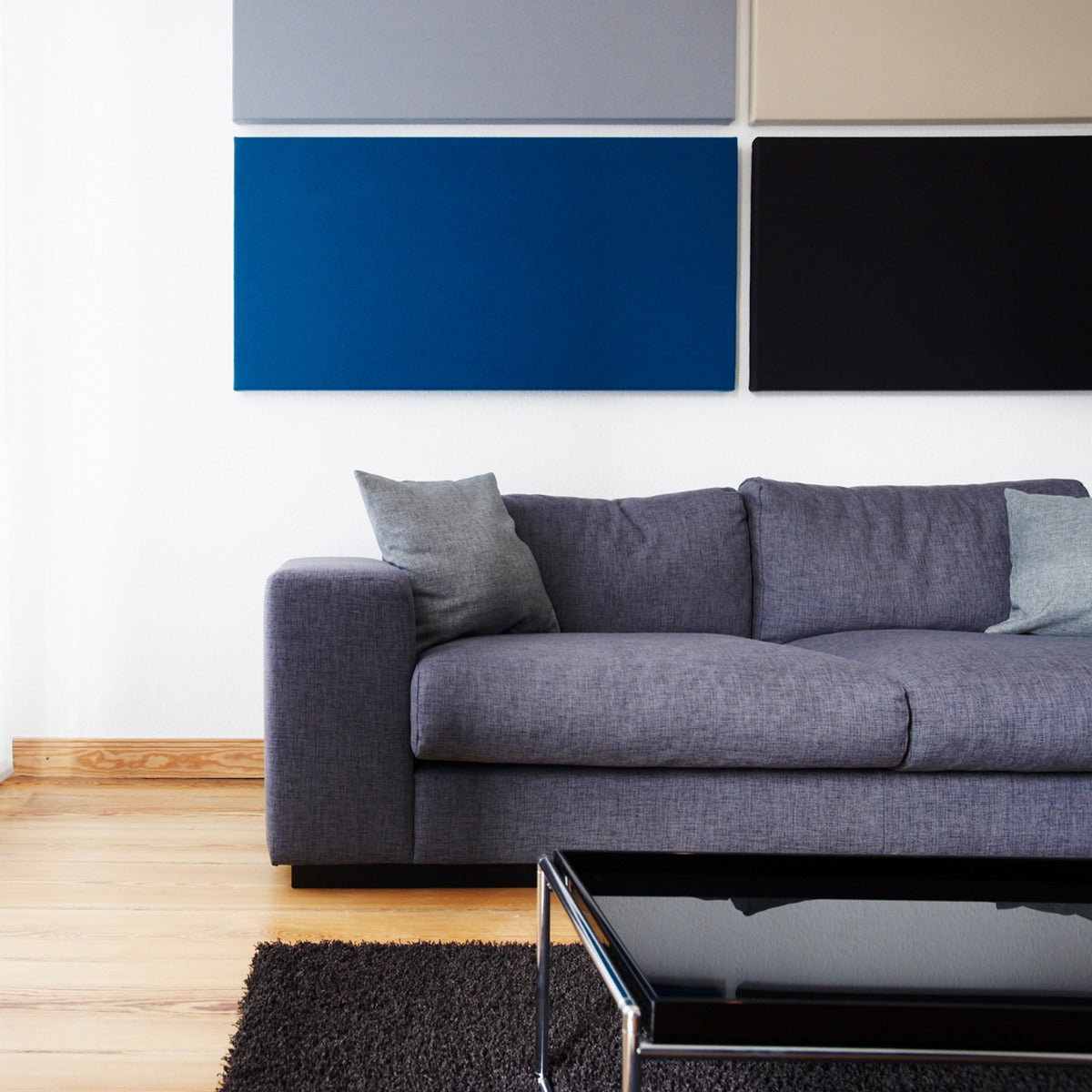


When we talk about reducing office noise we usually mean two things: cutting the echo that makes chatter sound louder, and reducing the transfer of noise between working zones. In 2026, teams expect open-plan flexibility, but they still need focus time, clear speech in meetings, and fewer distractions from background noise.
TL;DR
- What should we do first? Fix echo with ceiling and wall absorption before you try to block sound.
- Where do we get the biggest gains? Ceilings and open-plan zones, then screens for privacy.
- How do we choose materials? Use durable, fire-safe and sustainable options for the workplace.
- Which collections match office noise problems? Start with office acoustic panels, then add acoustic ceiling panels and acoustic screens.
Key Takeaways
|
What to do |
Why it helps |
Best place to use |
|---|---|---|
|
Start with absorption (especially ceilings) |
Echo control lowers perceived noise fast |
Open plan and high-ceiling areas |
|
Add desk and zone screens |
Creates privacy and reduces distractions |
Hot desks, team rows, project areas |
|
Use office acoustic wall panels |
Reduces reverberation near workstations |
Perimeter walls and collaboration edges |
|
Tune meeting rooms for speech clarity |
Lower echo improves intelligibility |
Huddle rooms and conference spaces |
|
Pick the right product type (not just “soundproofing”) |
There’s an important difference between absorption and blocking |
Every project phase |
|
Plan quick, non-invasive installs |
Keeps downtime low in 2026 workplace rollouts |
Occupied offices |
Quick clarification (because it matters):
We often see people mix up sound absorption (echo control) and sound proofing (blocking noise between rooms). If you want better focus and fewer distractions, you usually start with absorption.
Why office noise hits productivity (and what teams can do in 2026)
Office noise is rarely just “one sound.” It is often a stack of conversation bleed, printer and call noise, HVAC hum, and the way your room reflects sound back into the workspace.
In 2026, many offices are still built around open collaboration, which is great for teamwork but challenging for deep work. If the room has strong reverberation, every additional voice becomes louder and harder to ignore. That is why reducing office noise usually starts with acoustic treatments that control echo and improve comfort.
We also see a common symptom pattern:
- People speak louder to be heard across desks.
- Meetings run less smoothly because speech gets muddy.
- Focus time shrinks as distractions stack up during the day.
- The fastest route to calmer working usually involves ceiling and wall absorption, then privacy tools like acoustic screens to break up sightlines and sound paths.
Step 1: Use acoustic ceiling panels to cut the echo at the source
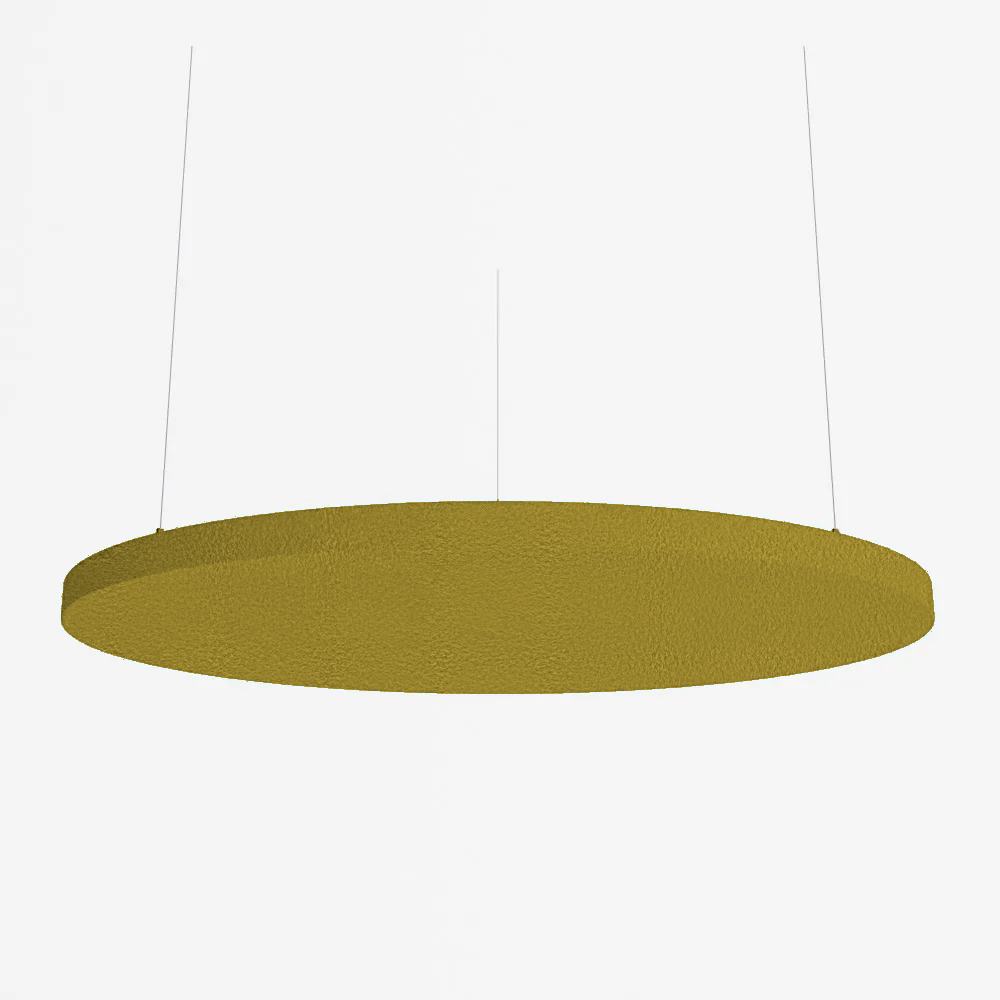
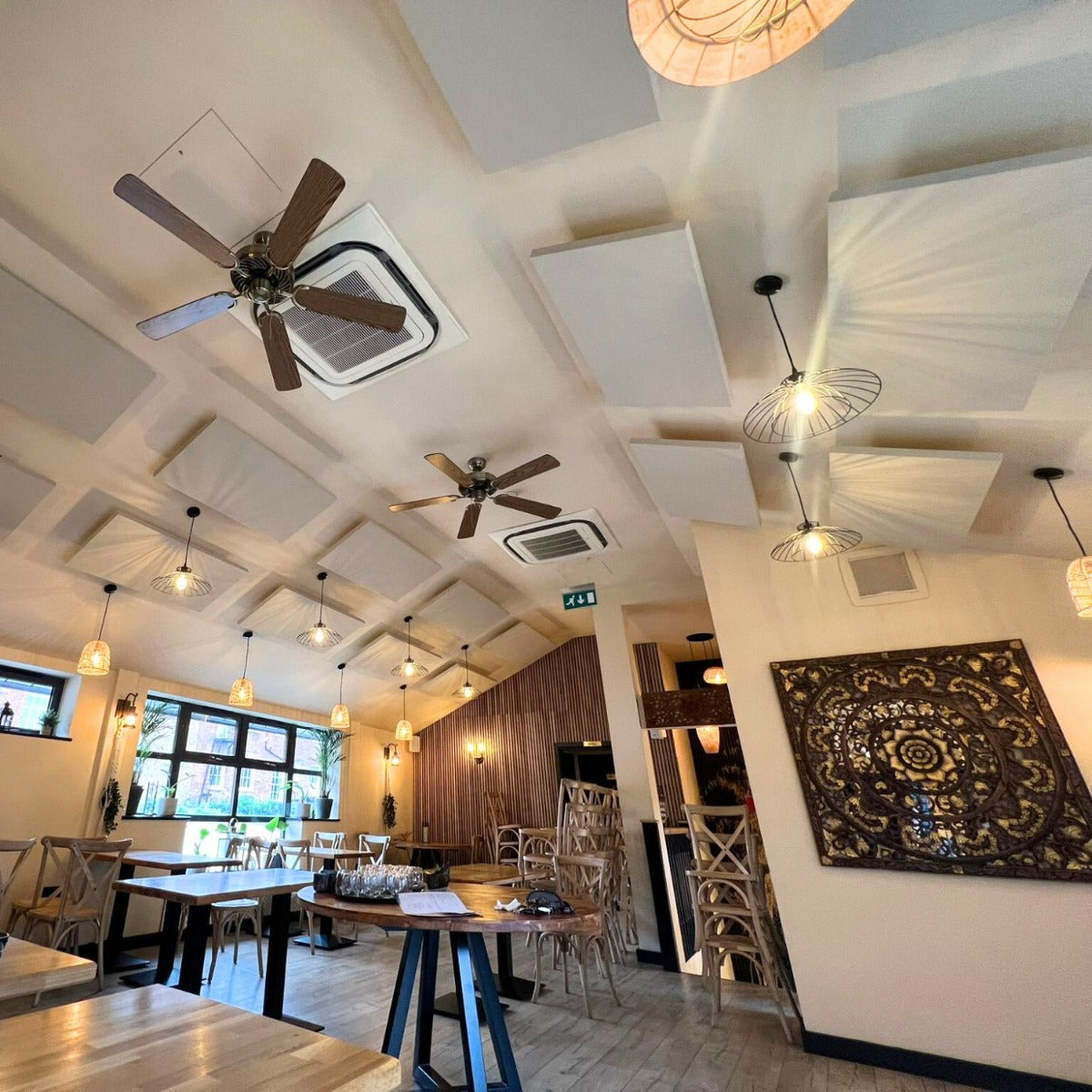
If your office feels “bright” or “ringy,” the ceiling is often doing more harm than people realise. Acoustic ceiling panels are designed to hang horizontally from above and absorb sound from multiple angles, which is ideal for open areas.
On our site, Acoustic Ceiling Panels are positioned as the best option to perform the bulk absorption work for spaces with excess reverberation and echo. The Ecophon Solo range is a popular option.

In practical terms, we recommend thinking in coverage zones:
- Cover the highest-activity area first (team clusters, training zones, reception flow).
- Prioritise long, open runs where sound can travel and reflect.
- Match your aesthetic with fabric and branded finishes, so the acoustic solution looks like part of the workplace, not an afterthought.
Step 2: Add office acoustic wall panels where conversations bounce back
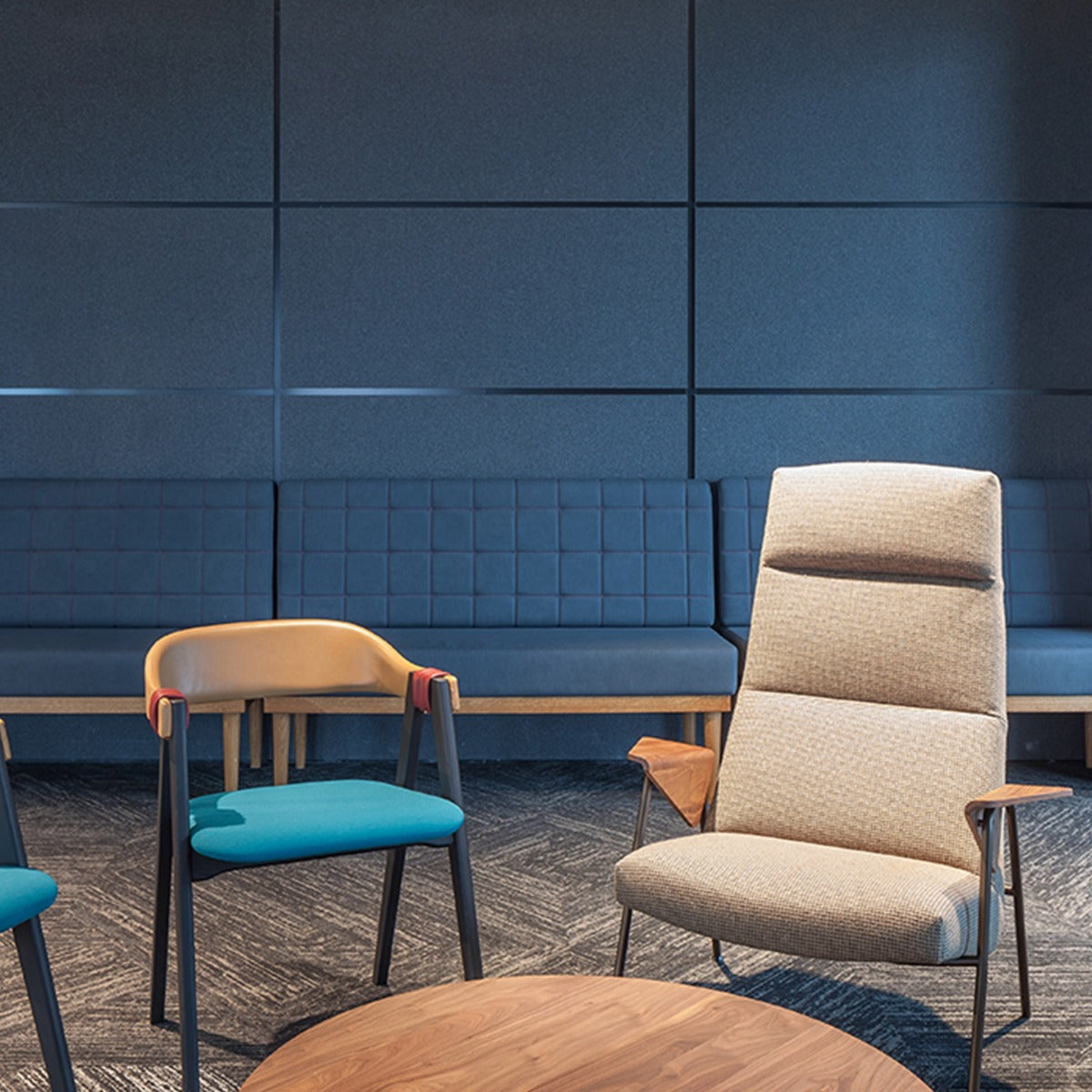
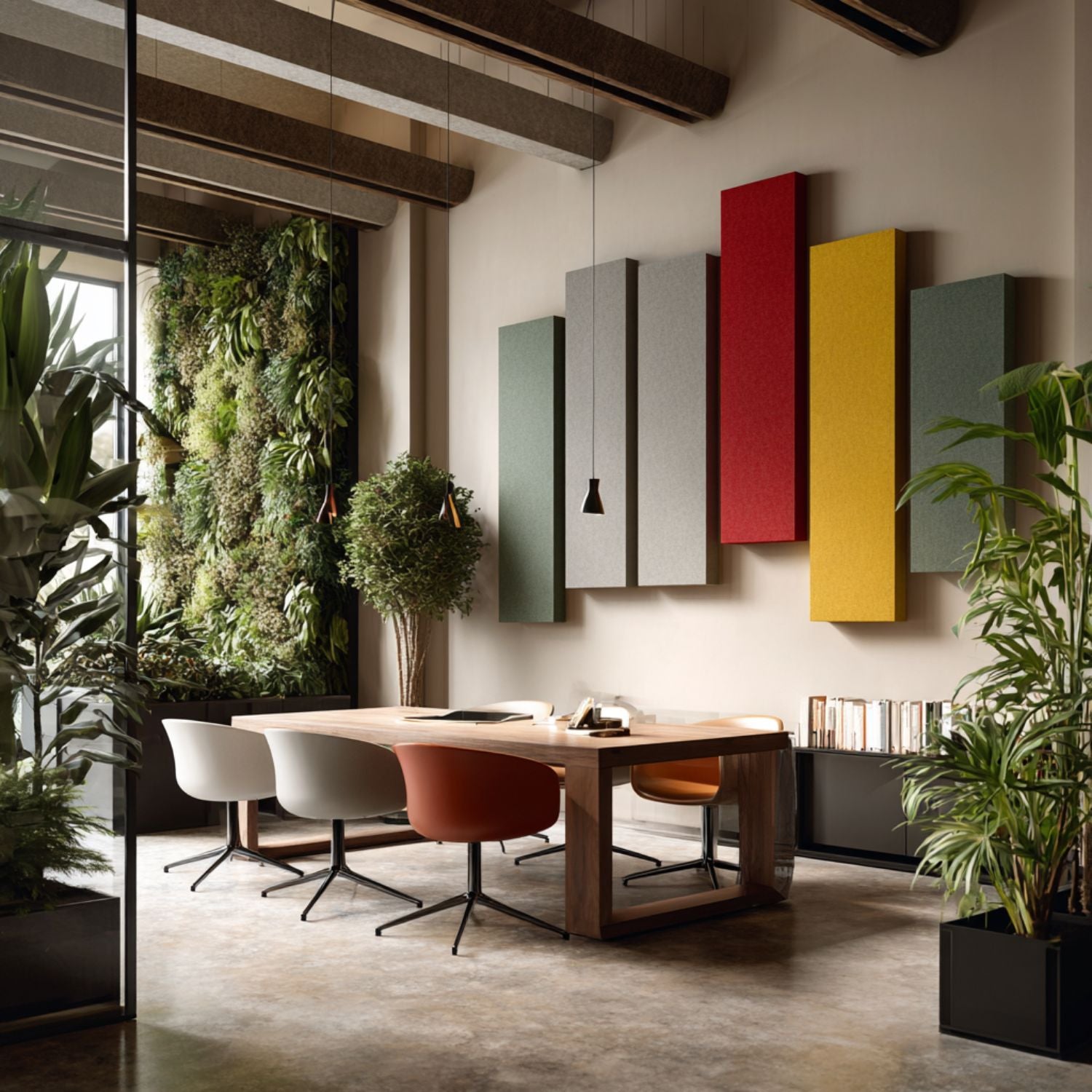
Once you have ceiling absorption, the next big improvement is controlling reflections from walls. Acoustic wall panels are one of the most flexible solutions for common noise issues, including excess reverberation in home offices, meeting rooms, and classrooms.
For an office-specific starting point, acoustic panels for offices are described as reducing echo, boosting focus, and supporting modern workplace design.

We also like wall panels because they help you “shape” the sound environment. In busy offices, that often means:
- Placing panels near walkways and desk rows where chatter bounces.
- Covering collaboration edges rather than only blank perimeter areas.
- Using a consistent finish so the room feels intentional.
Step 3: Use acoustic screens to create privacy without closing the office
Even when you control echo, you still need privacy. Acoustic screens act as flexible barriers, helping reduce distractions while also adding stylish divisions inside an office.
On our acoustic screens collection, acoustic desk screens are described as a flexible way to ensure privacy while improving workplace acoustics.

This is where reducing office noise becomes very “workflow-aware.” Screens work best when you treat them like furniture:
- Put them at speech-transfer points (between call areas and desk zones).
- Use screens to align with team layouts so they block attention-stealing sightlines too.
- Keep maintenance simple, especially for hybrid offices where spaces change often.
Step 4: Consider baffles and ceiling geometry for open-plan zones
Not all offices have the same ceiling layout. If you have open structure, high ceilings, or a need for vertical acoustic performance, acoustic baffles can be the practical answer.
On our acoustic baffles page, baffles are described as vertical panels suspended from the ceiling designed to absorb sound and reduce reverberation.

We generally position baffles for:
- Open-plan areas where ceiling panels alone are not enough.
- Long-span spaces where vertical absorption improves comfort.
- Design-led offices that need visual character along with performance.
Step 5: Fix meetings with meeting room acoustic panels (speech clarity matters)
A noisy open office is stressful, but a bad meeting room can be demoralising. Echo reduces intelligibility, so people repeat themselves, talk over each other, and meetings drag on.
Our meeting room acoustic panels are described as making clear communication possible by reducing echo and improving speech intelligibility.

When we plan acoustic upgrades for meeting rooms, we focus on practical outcomes:
- Better speech clarity, so fewer repeats are needed.
- Shorter perceived meeting time, because people can process information faster.
- Less fatigue, since the room does not keep “feeding back” sound.
Step 6: Make it easy to install (and keep it consistent across the office)
Noise issues do not wait for your next big refurbishment. In 2026, many organisations need solutions that fit around occupied schedules. That is why we emphasise approachable installation options, including adhesive, clip, or suspended systems depending on the space.
For offices, our office-acoustic-panels collection highlights that installation can be quick and flexible, using methods designed to suit existing layouts.
Also, consistency matters. If one area is treated and another is not, employees notice the contrast and still feel tension in untreated zones. A simple rollout plan usually looks like:
- Pilot in the noisiest zone (open desks or the main meeting room).
- Expand to adjoining work areas using a similar finish.
- Refine with screens for privacy at the busiest “speech transfer” points.
We also know teams want to see materials in real life. If you are comparing textures, colours, or how a panel sits on a wall, our sample process can help you check before committing to a full order.
Bonus: Choose materials that fit workplace standards and day-to-day use
Acoustic performance is only part of the decision. In a real office, we also have to consider durability, fire safety, and how materials work in everyday cleaning and maintenance.
On the meeting room panels collection, we highlight fire-safe, sustainable materials with long-lasting performance and easy installation. On office-focused pages, we also describe durable finishes, including fabric-wrapped panels and PET felt options.
When you make office noise reduction decisions, we recommend building a “workplace brief” that includes:
- Where noise is worst (open desks, meeting rooms, call corners).
- What you need to improve (focus, speech clarity, privacy).
- How visible the solution must be (design-led spaces vs behind-workstation zones).
Discover practical steps to cut noise in open offices and keep teams focused. This infographic highlights five proven strategies to boost productivity.
Our quick “best for” recommendations by office type
Not every office is the same, and that is why we like to map acoustic choices to the way people actually work. Below are best for options you can use as a starting point.
|
Office scenario |
Best acoustic focus |
Where to start (collections) |
|---|---|---|
|
Open-plan desks with lots of conversation |
Ceiling absorption first, then screens for privacy |
|
|
Echo-heavy office perimeter walls |
Wall panel coverage to reduce reverberation |
|
|
Call-heavy meeting rooms and huddle spaces |
Speech clarity through meeting room acoustic panels |
And if you are also supporting home-working or small satellite offices, you can extend the same logic with home office acoustic panels.
Conclusion: A calmer workplace is a productivity project, not an “extra”
To answer How to Reduce Office Noise for Better Employee Productivity in a way that works in 2026, we focus on the acoustic mechanics first: control echo with acoustic ceiling panels, reduce reflections with office acoustic wall panels, and create privacy with acoustic screens. Then we tune meeting rooms for speech clarity, so communication becomes easier and less tiring.
If you want to move quickly, start with the biggest pain points, pilot a zone, and build consistency across the office. With the right mix of absorption and sensible zoning, employees get their focus back, meetings become clearer, and the whole space feels more comfortable to work in.
Frequently Asked Questions
What is the fastest way to reduce office noise in 2026?
The fastest route is usually by improving echo control first, especially with acoustic ceiling panels. Once reverberation drops, background chatter feels less intrusive, and adding acoustic screens gives employees more privacy without shutting the office down.
Do acoustic panels actually help with distractions from coworkers?
Yes. When you apply strategies using absorption treatments, you reduce the “ring” that makes coworkers’ voices carry farther. Screens can then help you break up attention-stealing sightlines and speech transfer around desks.
Is soundproofing the same thing as sound absorption for offices?
No, and this is a big part of understanding office noise. Sound absorption controls echo and reverberation, while soundproofing focuses on blocking noise paths between areas. Most office productivity gains come from absorption plus zoning, not from trying to fully seal the office.
What should we treat first, ceilings or walls, for better focus?
For most open-plan spaces, start with ceilings. That is a key part of acoustic treatment because ceiling absorption handles the bulk of reverberation, then wall panels fine-tune reflections near workstations.
How do meeting room acoustic panels improve productivity?
They improve speech clarity, which reduces repeats and overlap, so meetings run more smoothly. In simple terms, clearer communication lowers fatigue and helps teams process information faster during discussions.
Are acoustic screens worth it in an open office?
They are often worth it because screens add privacy and reduce distractions even after you improve echo control.
How much should we budget for an office noise reduction acoustic upgrade in 2026?
Budget depends on room sizes and coverage, but you can use collection price ceilings as a reality check. For example, our pages show ceiling price examples like £1955.80 for acoustic ceiling panels and £1361.00 for office acoustic panels, then you add screens and meeting room treatments as needed to complete the plan.


