













Updated: July 2026
If you've got noisy neighbours, a busy road outside, or an office that echoes every phone call across the room, acoustic panels are usually the first thing recommended. They're everywhere in interior design conversations right now, but there's a lot of confusion about what they actually achieve. Do they block noise from getting into a room, or do they just make the room inside sound better?
This guide breaks down exactly what acoustic panels do, where their limits are, and what you need alongside them if your real goal is keeping sound out rather than just taming it once it's already there.
Key Takeaways
- Acoustic panels absorb sound waves inside a room, cutting echo and reverberation, but they don't block sound from travelling between rooms or from outside.
- A single wall of panels can cut reverberation time in a busy room dramatically, in some cases from around 5 seconds down to 1.5 seconds.
- Soundproofing (stopping sound transfer) and sound absorption (reducing echo) are two different jobs that need two different approaches.
- If your problem is a noisy neighbour or traffic through a wall, panels alone will not solve it.
- Panels work best combined with mass, sealed gaps, and thoughtful room layout.
How Acoustic Panels Actually Work
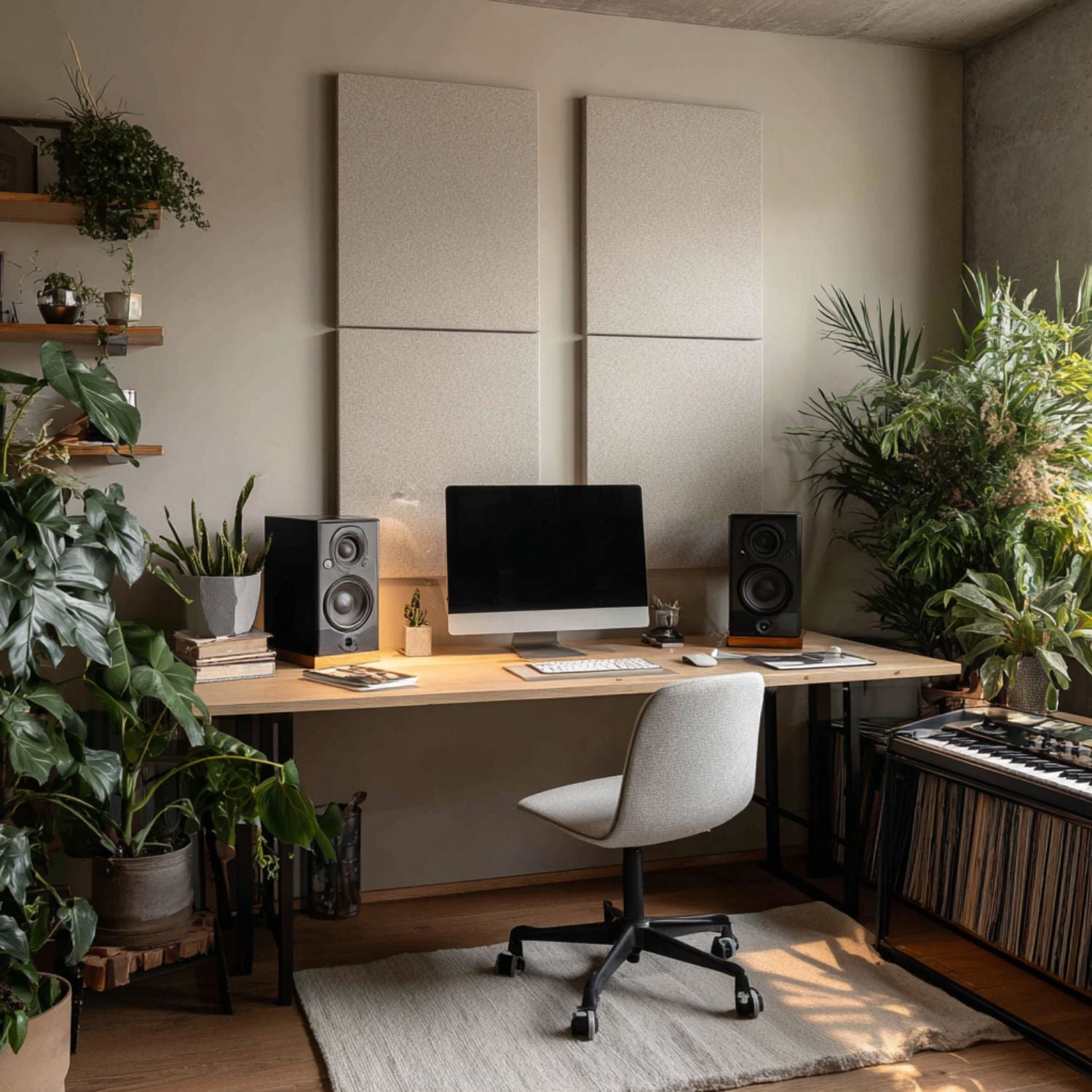
Acoustic panels are built to soak up sound energy rather than let it bounce back off hard surfaces like glass, plaster, or concrete. When sound waves hit a bare wall, they reflect around the room, layering on top of each other and creating that washy, echoey quality you notice in empty halls, open offices, and tiled kitchens.
A panel, by contrast, is made from an absorptive core (often mineral wool or foam) wrapped in acoustically transparent fabric. Sound enters the material, loses energy as it passes through the fibres, and far less of it bounces back into the room. The result is a shorter reverberation time and a space that feels calmer and easier to hold a conversation in.

What Changes the Amount of Absorption You Get
Not every panel setup performs the same way. Room size, panel thickness, and coverage all play a part. A large open-plan space needs considerably more coverage than a small meeting room, and thicker panels generally absorb lower frequencies better than thin ones. Our SilentSpace square panels, for example, carry a Class A absorption rating at the right thickness, which is the top tier for sound absorption performance.
How Much Noise Can Acoustic Panels Realistically Reduce?
Under the right conditions, panels make a genuinely significant difference. Covering a single wall with a dense run of panels can cut sound reverberation in a busy, echoey room by more than half. That's a substantial change, especially in spaces where people are trying to hold conversations, take calls, or simply concentrate.
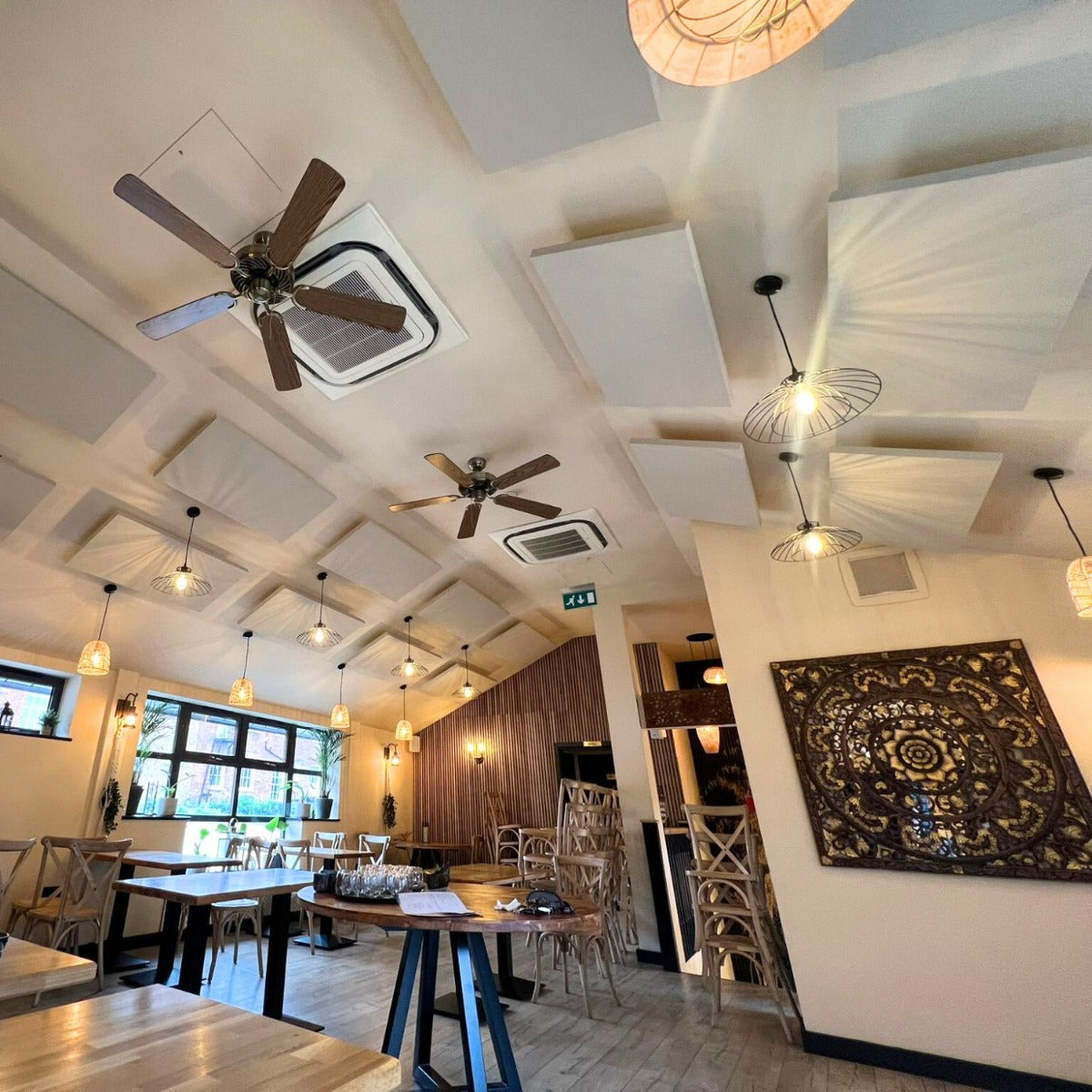
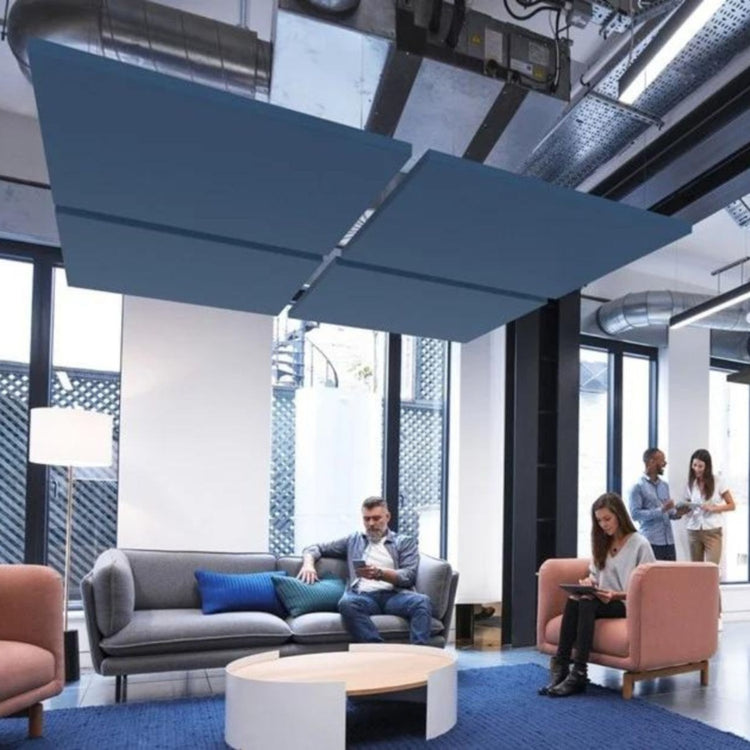
We saw this play out directly on a project at Furneux Pelham village hall, where a high-density installation of Ecophon Solo Rectangle panels went up across the ceiling. Offering Class A absorption, the panels brought reverberation time down from around 5 seconds to roughly 1.5 seconds, a change that completely transformed how the hall felt to use. Conversations that used to get swallowed by echo suddenly became clear, and the space stopped feeling like it was working against its users.
That said, results like this depend on getting the coverage and product choice right for the space. It's worth using a tool like our acoustic calculator before ordering, so you know roughly how many panels a room actually needs rather than guessing.
Acoustic Panels vs Soundproofing: Two Different Jobs
This is where most of the confusion starts. Acoustic panels and soundproofing solve different problems, and mixing them up leads to disappointment.
Soundproofing is about isolation. It stops sound getting from one space into another, and it typically relies on adding mass to walls and floors, sealing gaps where air (and sound) can leak through, and sometimes decoupling structures so vibration can't travel through them. Think heavy dense materials, resilient bars, sealed door frames, and double-glazed windows.
Sound absorption, which is what panels do, works entirely differently. It doesn't add mass or seal anything. It simply stops sound waves bouncing around once they're already inside a room. A room can be beautifully treated with acoustic wall panels and still let plenty of noise through to the room next door, because absorption and isolation are not the same mechanism.

We regularly hear from people who were told panels would "fix" a noisy neighbour problem, only to install them and find the noise from next door completely unchanged. That's expected, unfortunately, because a neighbour dispute over noise is a soundproofing issue, not an absorption one. Panels can be part of a wider soundproofing plan, but they were never designed to carry that job alone.
Do Acoustic Panels Stop Noise Coming Through Walls?
No, not directly. Panels absorb sound waves travelling through the air inside a room, but they don't add the mass or density needed to block sound transmission through a solid wall. Sound will still pass through to whatever is on the other side, panels or no panels.
This came up clearly in a healthcare setting we're aware of, where a facility installed panels on the walls between patient rooms, hoping to quieten a busy corridor. The panels didn't move the needle on noise transfer between rooms at all, because the walls themselves were still the weak point letting sound through. Patient comfort and sleep quality stayed exactly where they'd started.
If wall-to-wall noise transfer is your issue, look at adding mass to the wall itself (extra plasterboard layers, mineral wool insulation within the cavity, or resilient channels) rather than relying on surface-mounted panels to do that work.
Will Acoustic Panels Keep Sound Inside a Room?
Panels aren't fully effective at containing sound either, but there is a useful knock-on benefit. Because they reduce the overall noise energy bouncing around a room, there can be a modest reduction in how much sound reaches adjoining areas, simply because there's less of it circulating to begin with.
This effect is particularly noticeable in open-plan offices. When panels absorb sound waves close to their source, conversations and calls don't carry as far across the floor, which cuts down on distraction in nearby zones. It's not full containment, but it makes a real difference to how a shared workspace feels day to day.
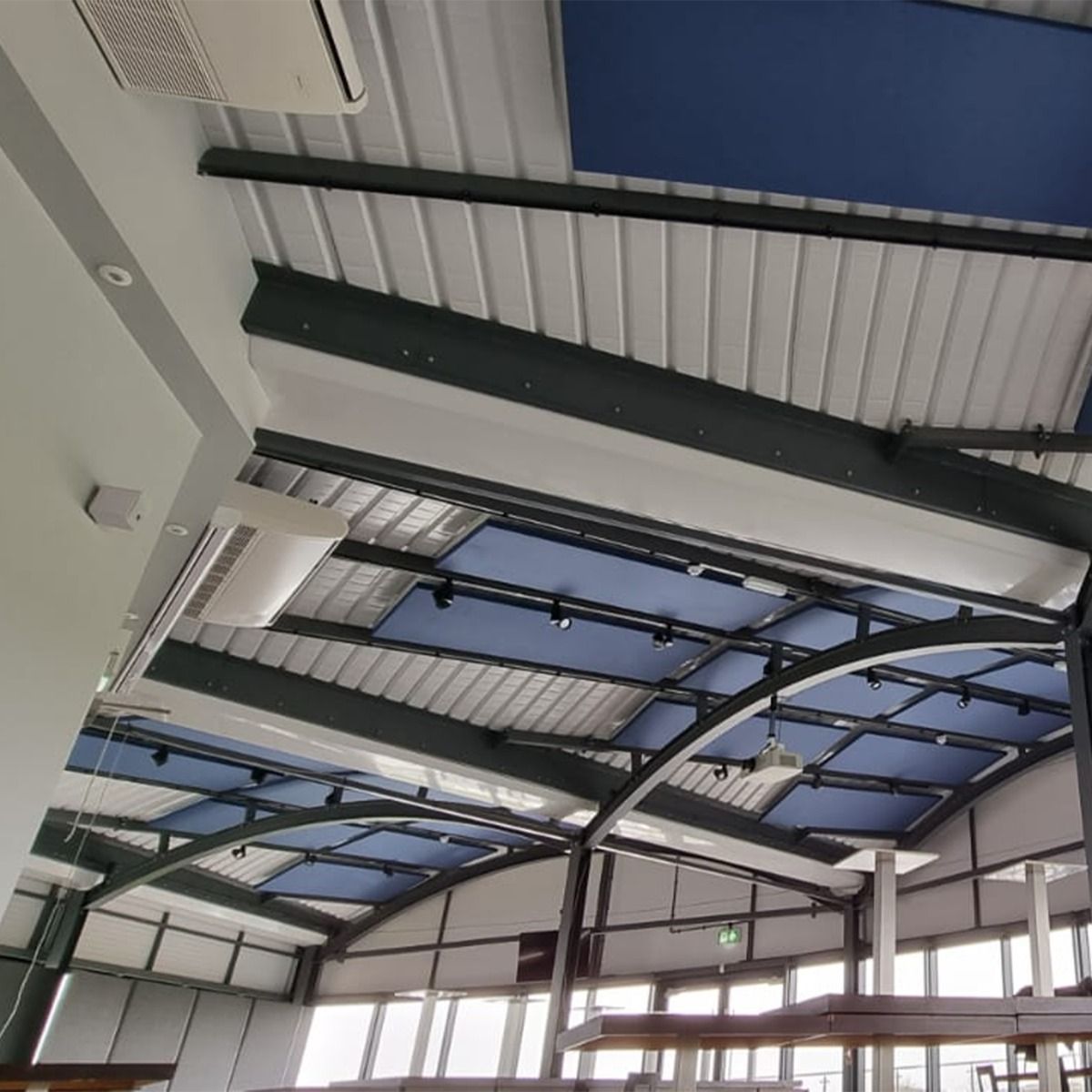
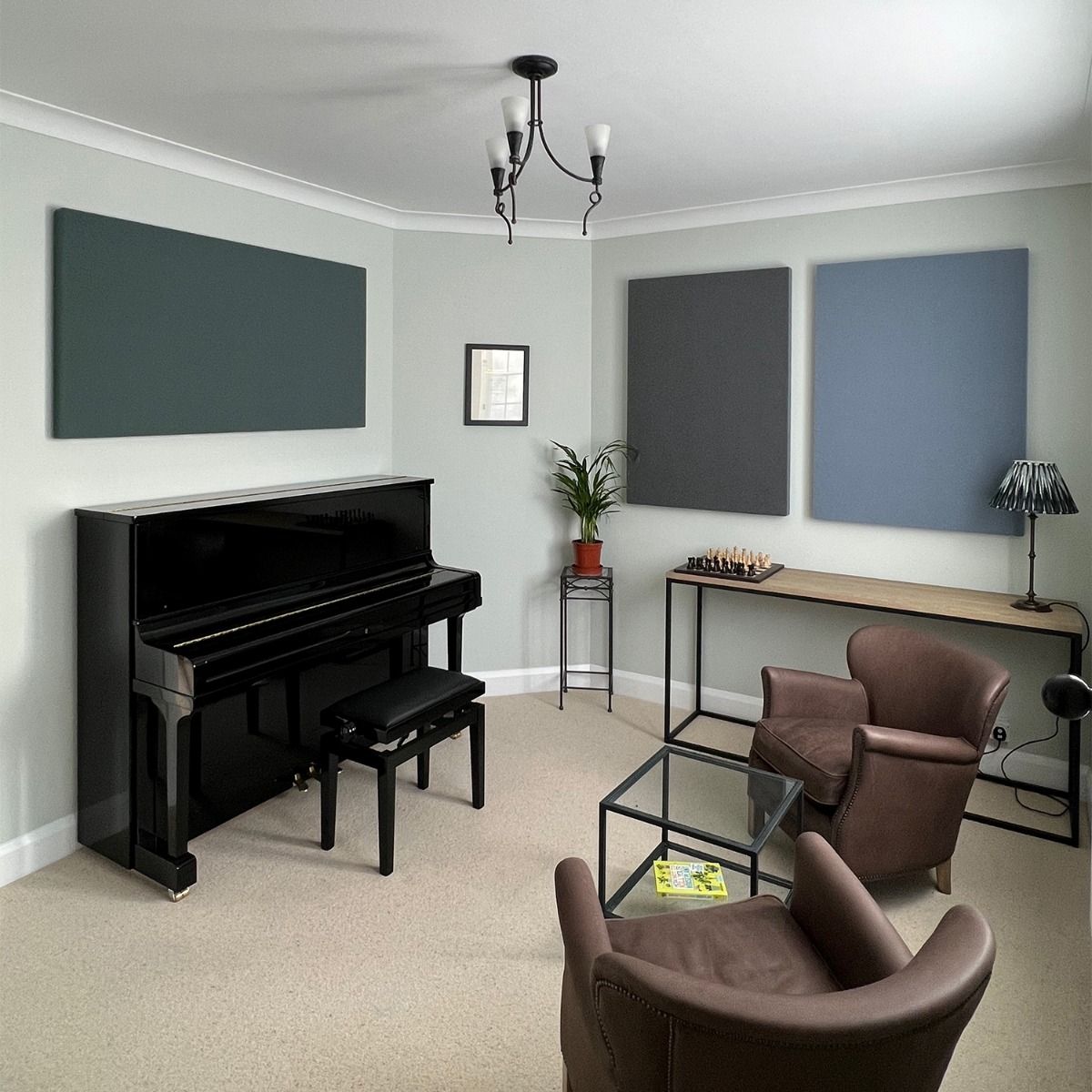
One shared office space fitted panels across both the walls and ceiling of its open-plan and conference areas. Staff reported a noticeable drop in noise carrying between rooms, and productivity and collaboration both improved as a result. It's a good reminder that treating ceilings as well as walls tends to produce a much more rounded result than walls alone.
Will Acoustic Panels Keep Outside Noise Out?
This is the question most people are really asking, and the honest answer is no, not on their own. Panels are porous by design; that's exactly what lets them absorb sound rather than reflect it, but it also means they don't stop sound waves passing through them from outside.
To actually keep outside noise out, you need mass and an airtight barrier: dense materials like brick, additional plasterboard layers, or purpose-built soundproofing products that block transmission rather than absorb it. Acoustic panels can sit alongside that kind of barrier to improve the finished sound quality of the room, but they're not a substitute for it.
Choosing the Right SilentSpace Panels for Your Space
Once you know acoustic panels are the right tool for the job (reducing echo and improving comfort inside a room, rather than blocking outside noise), the next step is picking the right shape, size and mounting style for the space.
Our SilentSpace range covers most layouts and budgets:
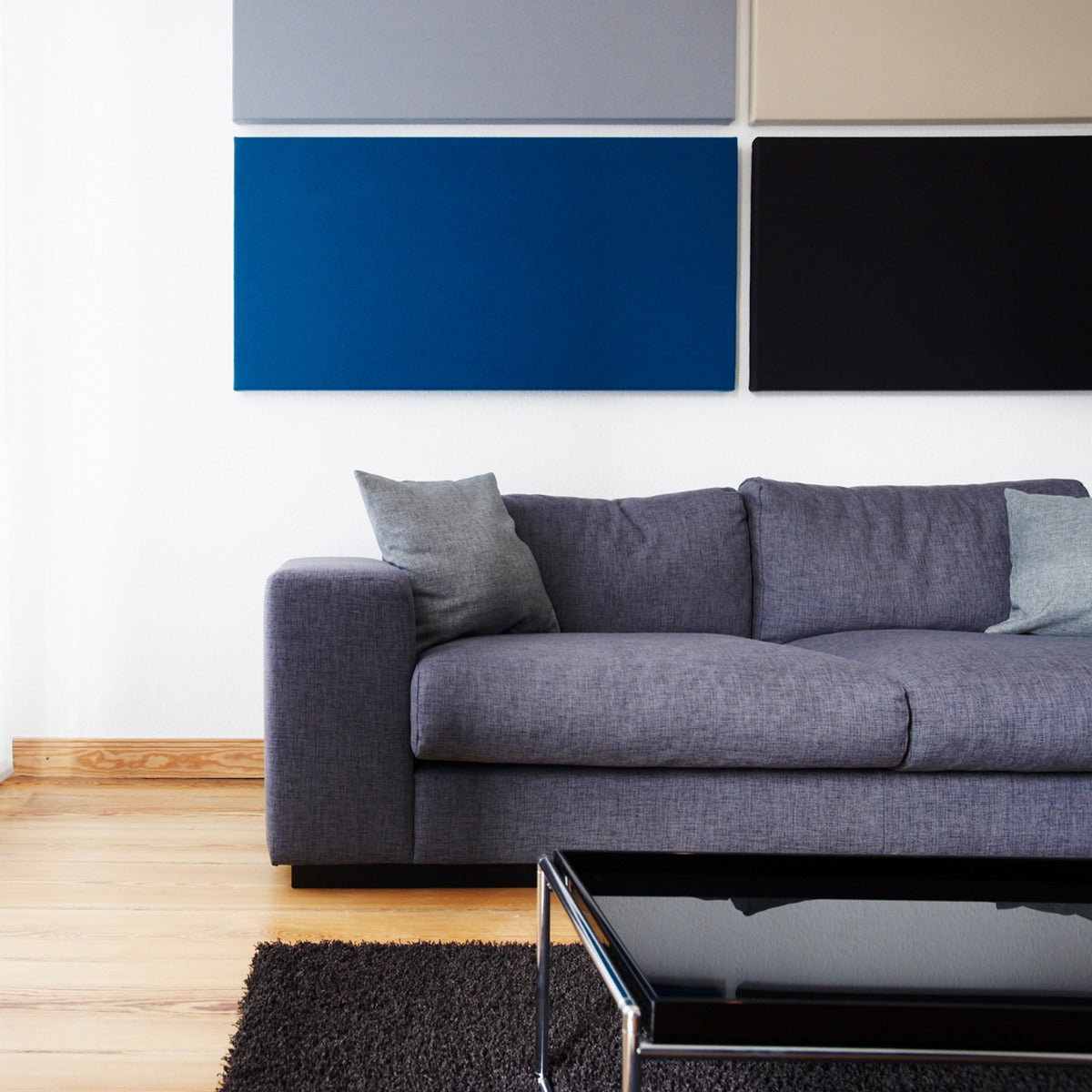
- SilentSpace Square wall panels start from around £45.68 and offer Class A absorption with fixings included, a straightforward option for offices and studios.
- SilentSpace Circle wall panels (from £115.00) bring a softer, more decorative shape while still hitting Class A performance at 40mm thickness.
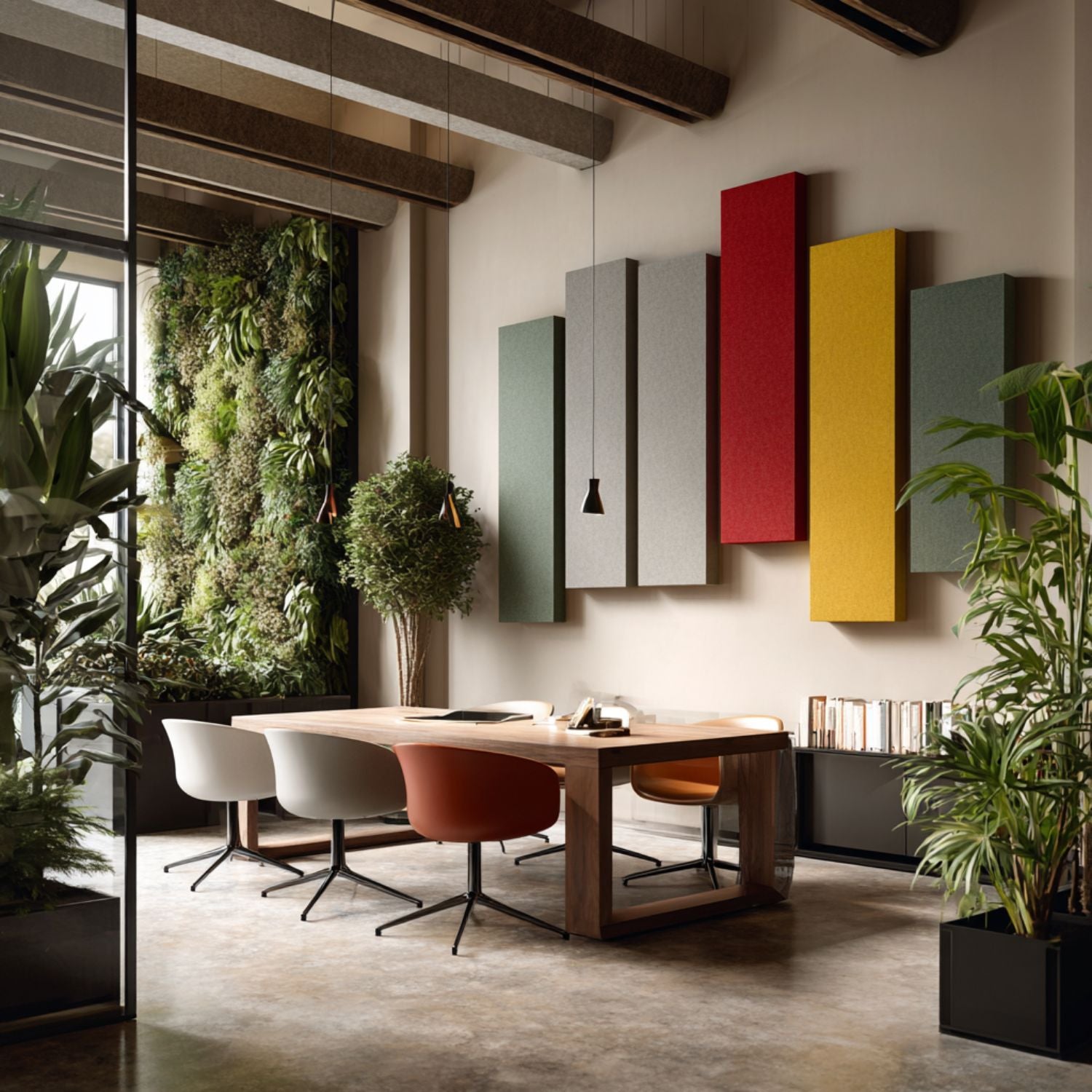
- SilentSpace Rectangle wall panels (from £129.00) suit larger modular wall runs and come in an extensive range of fabric colours.
- SilentSpace Rectangle ceiling rafts (from £145.00) treat the ceiling plane directly, useful in rooms with limited wall space.
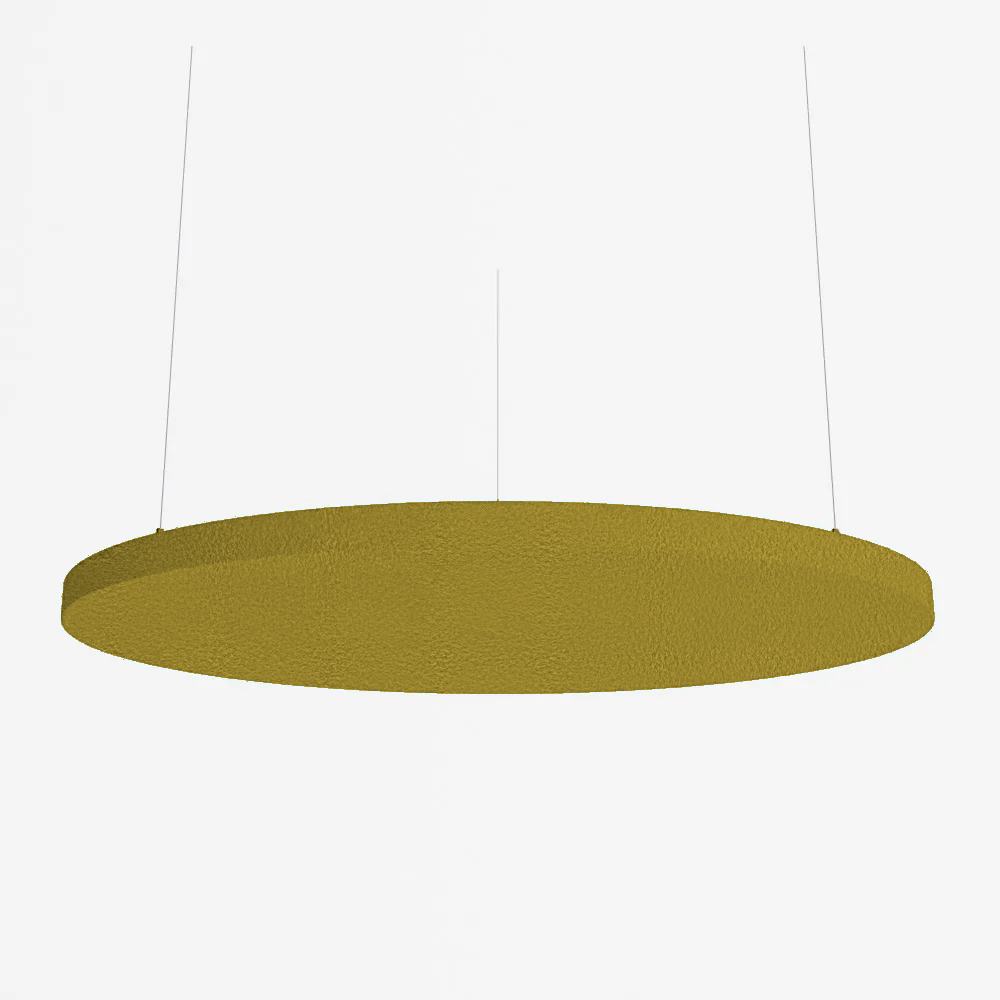
- SilentSpace Circle ceiling rafts (from £115.00) suspend from the ceiling and add a design feature while absorbing sound.
- SilentSpace Hexagon rafts (from £178.50) work well where you want a bolder geometric look across a ceiling.
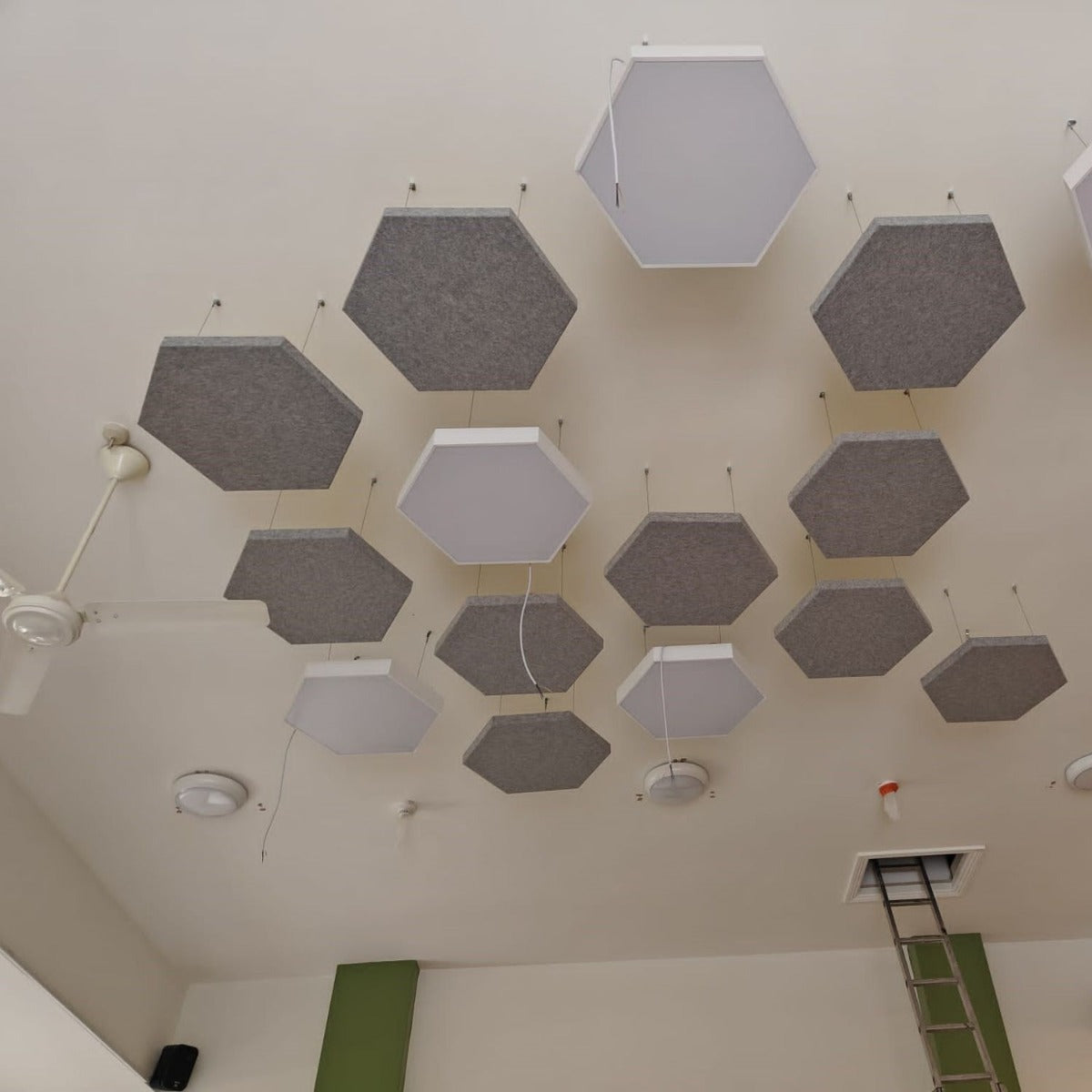
Most of these panels come in a broad choice of fabrics too, so you're not stuck with plain grey felt. If you want to browse fabric-specific options, our acoustic fabric collection and brand ranges such as Autex, Abstracta, BAUX and Offecct are worth a look alongside SilentSpace.
Building a Complete Soundproofing Strategy
If your actual goal is keeping outside noise out, or stopping sound leaking to a neighbouring room, acoustic panels need to be one piece of a bigger plan rather than the whole solution. A realistic approach usually combines:
- Mass-adding materials on walls, floors, or ceilings to physically block sound transmission.
- Sealing air gaps around doors, windows, and skirting, since sound travels easily through even small openings.
- Acoustic wall panels and ceiling panels to control the internal echo once isolation is in place.
- A proper survey or sound level reading before you buy, so panel quantity and material choice are based on the actual room rather than guesswork.
It's also worth mentioning that installation quality matters more than people expect. Panels mounted with gaps behind them, or spaced too far apart, absorb noticeably less sound than a properly fitted, well-positioned layout. If you're unsure how much coverage your room needs, running the numbers through our acoustic calculator or speaking with our team before ordering will save you from under-treating the space.
Conclusion
Acoustic panels do an excellent job at what they're designed for: absorbing sound waves, cutting reverberation, and making a room easier to think, talk, and work in. What they don't do is block sound from entering a room from outside, or stop it leaking through into the room next door. That job belongs to soundproofing, which relies on mass, sealed gaps, and physical barriers rather than absorption.
If your problem is genuinely about intelligibility, echo, and comfort inside a space, our SilentSpace panel range and wider acoustic collection will make a measurable difference. If your problem is noise coming from outside or from another room, treat that as a separate soundproofing project, and use panels afterwards to fine-tune how the finished space actually sounds.
Frequently Asked Questions
Do acoustic panels block outside noise?
No. They absorb sound within a room but don't add the mass needed to stop sound waves passing through walls or windows from outside.
How many acoustic panels do I need for a room?
It depends on room size, ceiling height, and how reverberant the space currently is. Our acoustic calculator gives a starting estimate based on your room's dimensions.
Will panels stop me hearing my neighbours?
Generally not. Neighbour noise coming through a shared wall is a soundproofing issue that needs mass and sealing, not sound absorption.
Are ceiling panels better than wall panels?
Neither is universally "better"; they target different reflection points. Many spaces benefit most from combining ceiling treatment with wall coverage for a more balanced result.


