


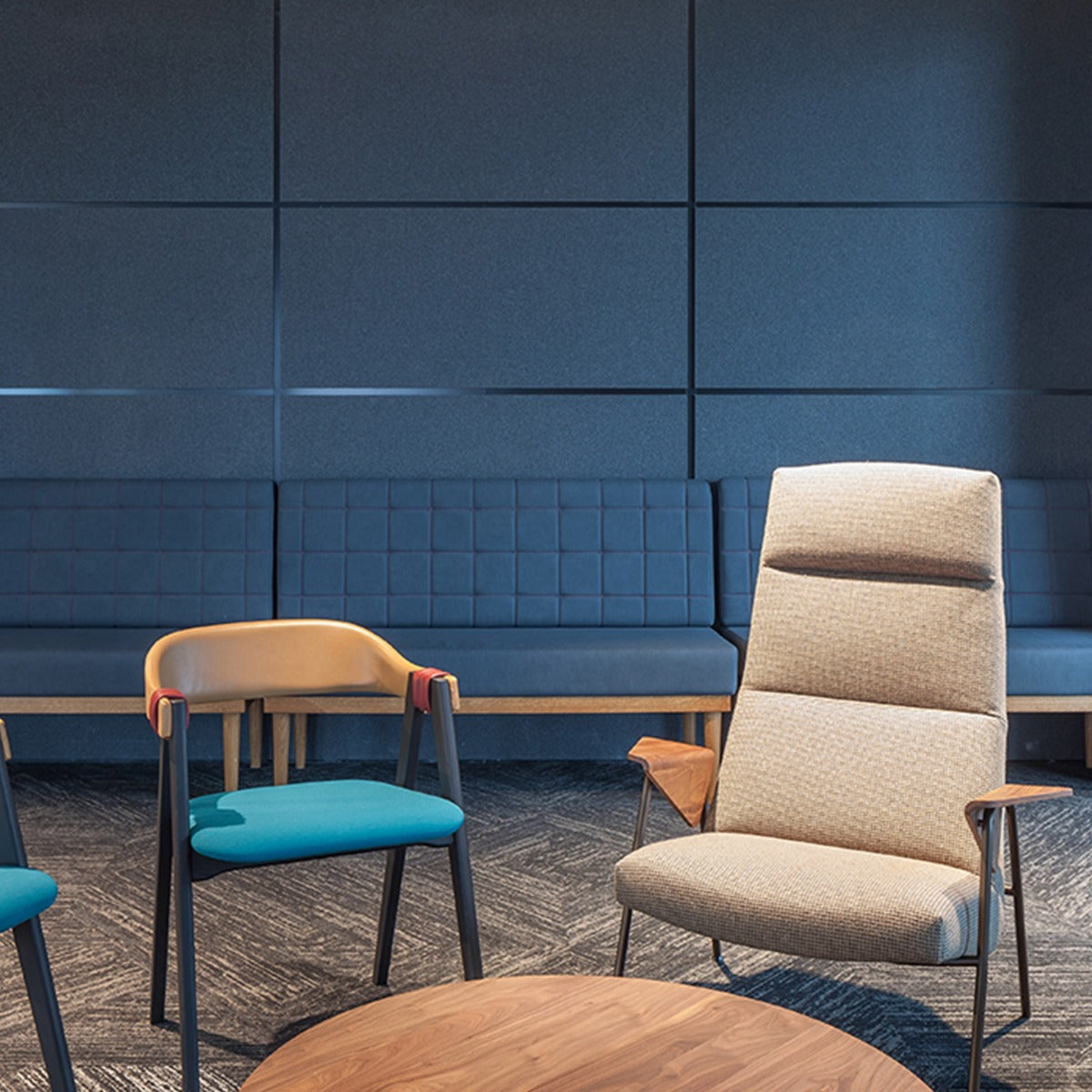


Poor acoustics in meeting rooms are one of the most common and most overlooked problems in modern offices. People talk over one another, video calls sound muddy, and conversations echo off hard walls and glass partitions. The result is a room where following a discussion takes effort, and fatigue sets in quickly. Meeting room acoustic panels address this directly, by absorbing excess sound energy and reducing the reverb that makes speech difficult to follow. This guide explains how they work, what types are available, and how to choose the right solution for your space.

Why Meeting Rooms Are Acoustically Challenging
Meeting rooms tend to be small, boxy spaces filled with hard, reflective surfaces. Sound bounces back and forth between walls, ceilings, floors, and furniture before it reaches the listener, creating a wash of overlapping reflections known as reverberation. The longer that reverberation tail, the harder it becomes to separate one word from the next.
Some of the most common acoustic problems we see in meeting rooms include:
- Hard flooring and bare plaster or painted walls with no absorptive surface
- Glass partitions and windows that reflect rather than absorb
- Plastic and metal furniture that does nothing to dampen sound
- AV equipment and conference speakers that add their own reflections into the mix
- Small room dimensions where sound reflects before it can decay naturally
Any one of these factors can compromise speech clarity. In a room where several are combined, the acoustic environment can make meetings genuinely exhausting. Treating the room with appropriate panels reduces reverberation time significantly and makes it far easier for everyone to hear and be heard.

How Acoustic Panels Actually Work
Acoustic panels are manufactured from porous, fibrous, or foam-based materials that convert sound energy into a tiny amount of heat as sound waves pass through them. Instead of bouncing off the surface and continuing to travel around the room, the energy is absorbed within the panel material itself.
The key metric to understand is reverberation time, often written as RT60. This is the time it takes for a sound to decay by 60 decibels after the source stops. A room with a long RT60 feels echoey and reverberant. A room treated with appropriate acoustic wall panels has a shorter RT60, meaning speech clears faster and conversations become significantly cleaner.
Panels with a Class A absorption rating deliver the highest level of sound absorption across the frequency range most important for speech intelligibility. When selecting panels for a meeting room, Class A performance is the benchmark worth aiming for.
The Main Types of Acoustic Panels for Meeting Rooms
Not all acoustic panels are made the same way, and the right choice depends on the level of performance required, the aesthetic you want to achieve, and how the room is used. Here is a breakdown of the main options available.
Fabric-Wrapped Acoustic Panels
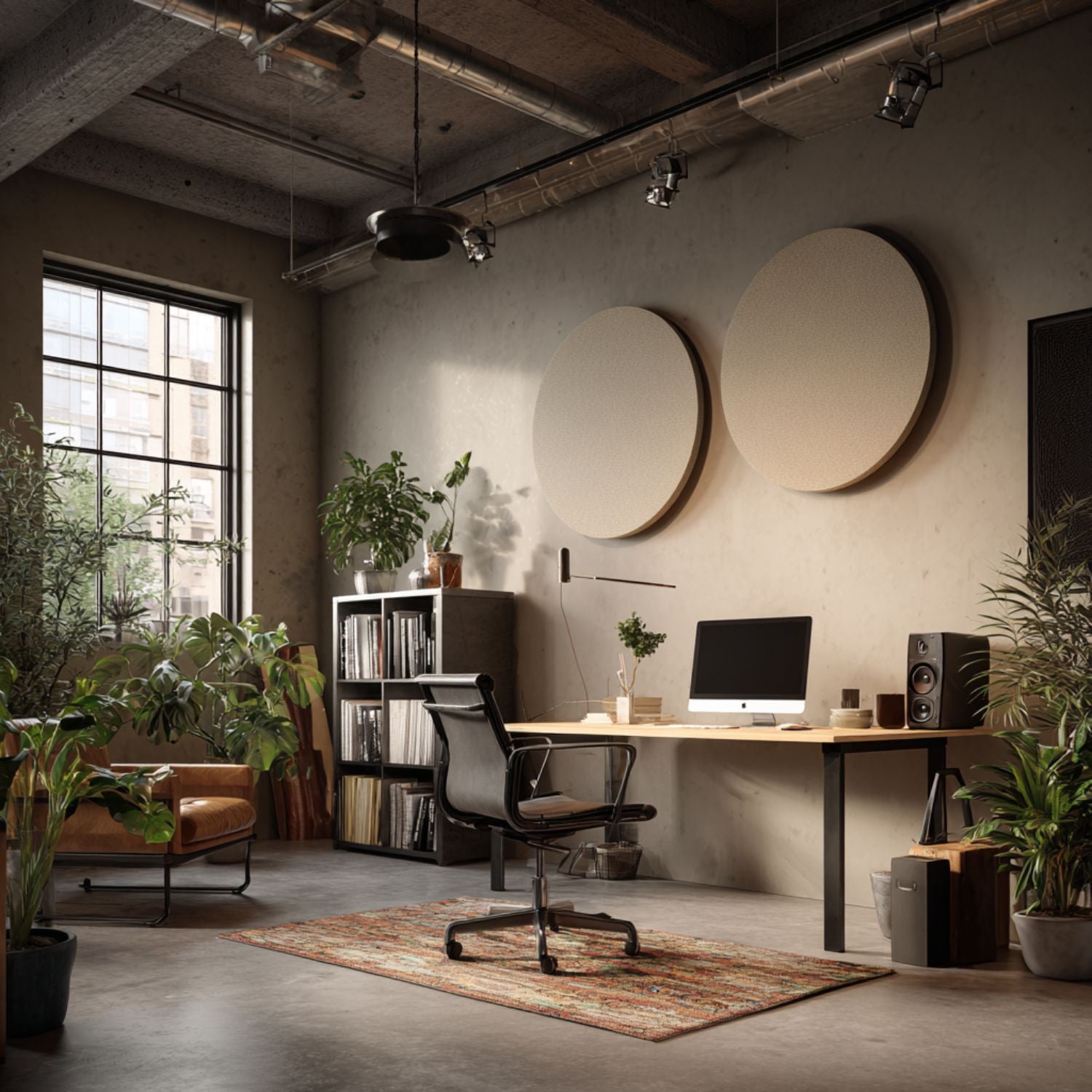
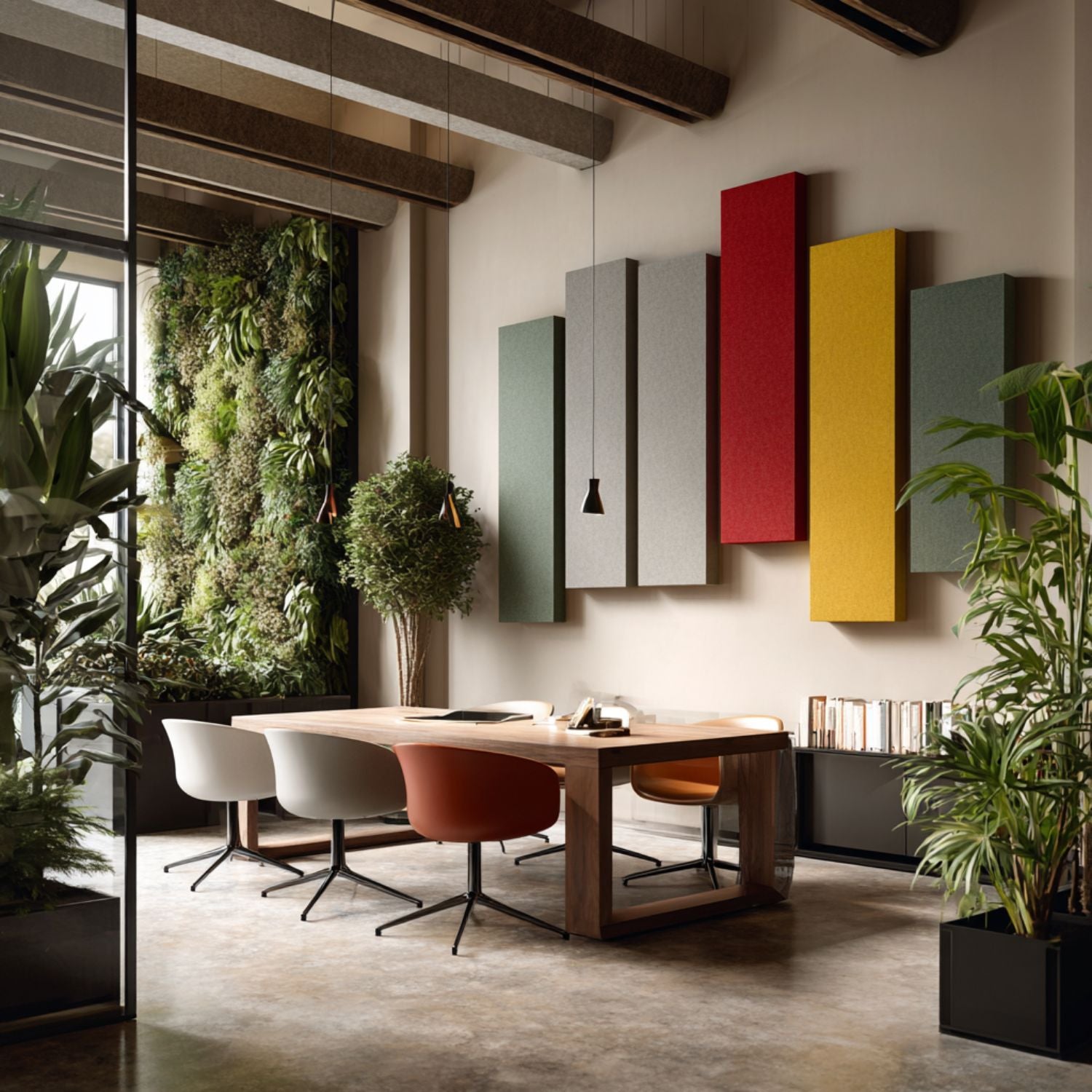
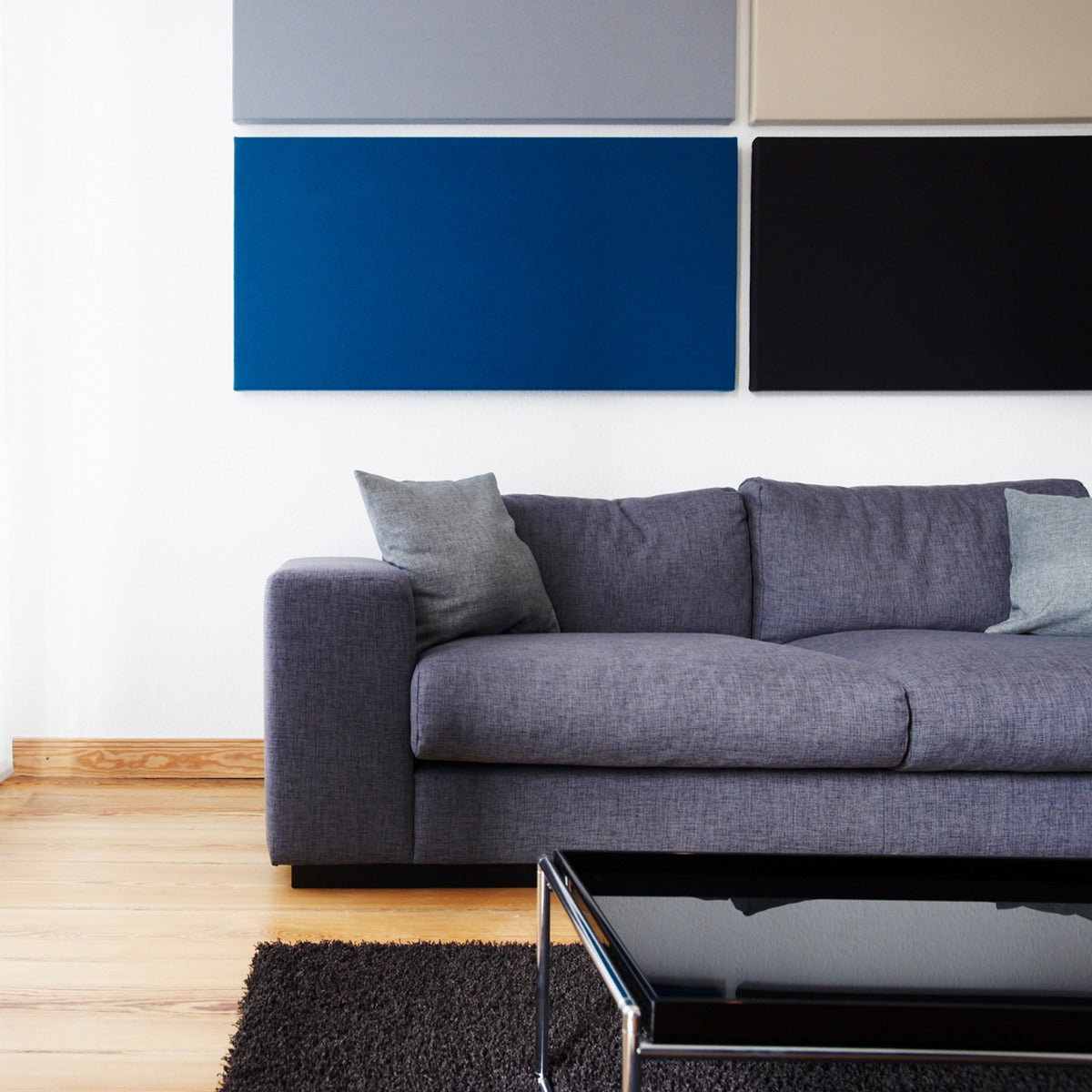
Fabric-wrapped panels consist of a dense absorptive core, typically glasswool or polyester fibre, wrapped in a decorative acoustic fabric. They deliver strong absorption performance and are available in a wide range of colours and shapes, making them a popular choice for professional meeting environments. They can be wall-mounted at key reflection points or suspended from the ceiling as rafts.
The SilentSpace Circle Acoustic Panels are a well-regarded option in this category. Available in multiple sizes from 600mm diameter upwards, they combine genuine acoustic performance with a clean, contemporary look. Priced from £115.00, they are a practical starting point for rooms where both function and appearance matter.
Glasswool Core Wall Panels
Panels built around a glasswool core tend to offer some of the highest absorption coefficients available, particularly at mid and low frequencies where speech energy is concentrated. The Ecophon Akusto One Rectangle Acoustic Wall Panels are designed specifically for high-traffic open spaces including offices and meeting rooms. Available in a range of painted finishes and multiple sizes, they start from £309.00 for a pack of two and carry a Class A absorption rating.
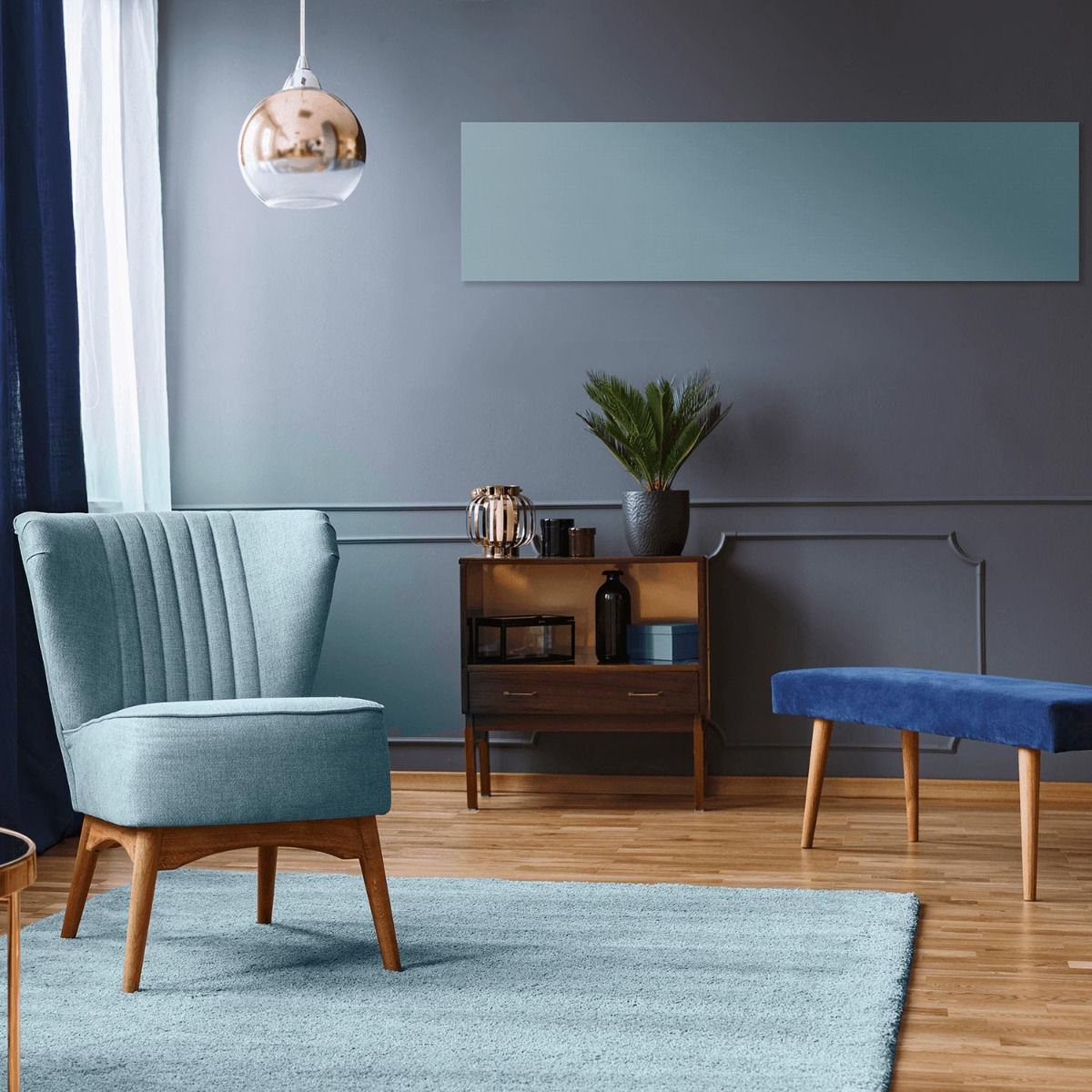
The Ecophon range is particularly well suited to rooms where a streamlined, professional finish is needed without sacrificing acoustic output. Their wall panel range works well alongside acoustic ceiling baffles for a more complete treatment of the room.
Custom-Sized Wrapped Panels for Walls and Ceilings
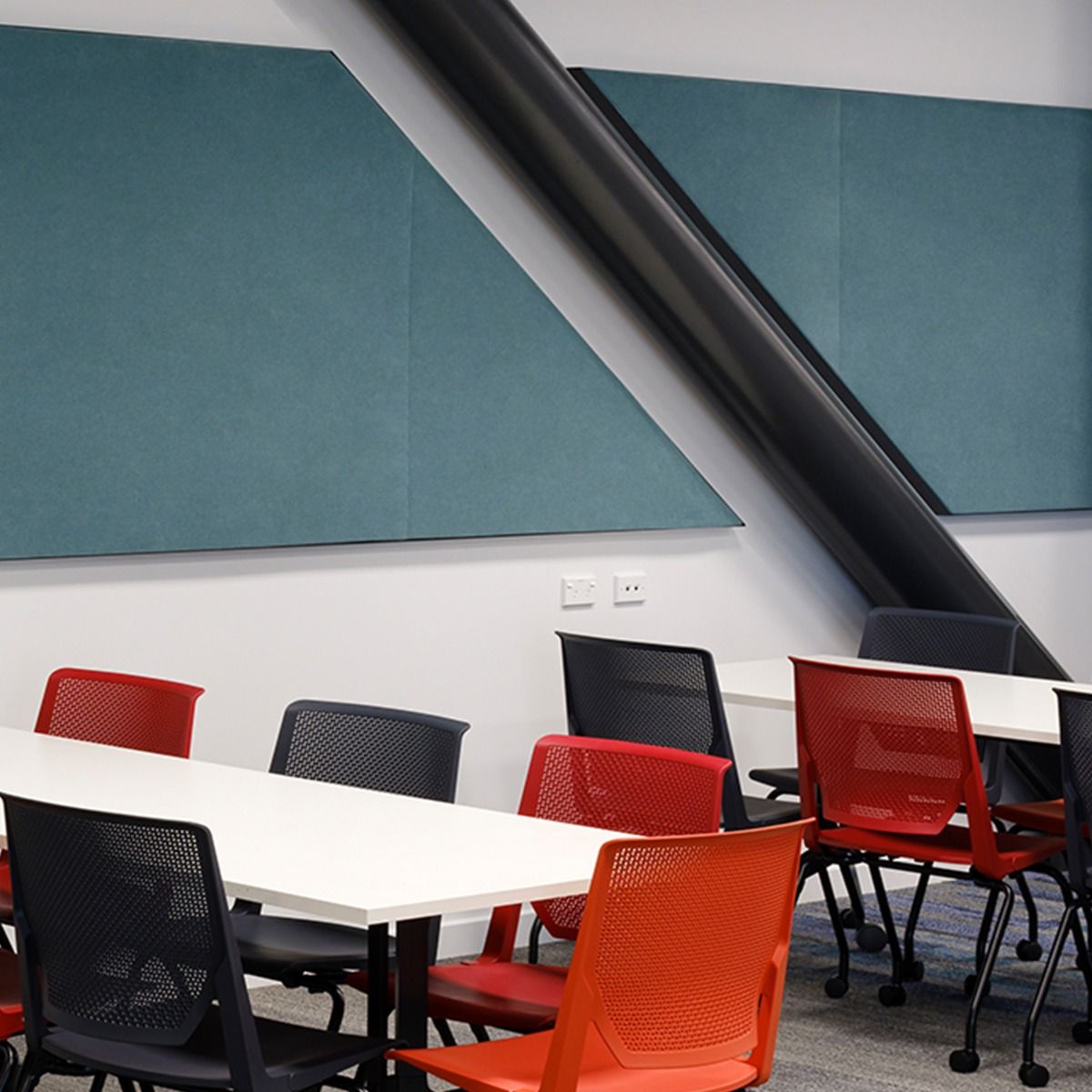
When standard sizes do not fit the room, custom panels give you the flexibility to treat specific surfaces precisely. The Autex Quietspace Wrapped Wall and Ceiling Panels are a market-leading product for controlling reverberation in both wall and ceiling applications. They are available in custom sizes from £135.00, and can be wrapped in your choice of fabric to match any interior scheme.
PET Felt and Textured Panels
PET felt panels are made from recycled plastic fibres and are a good option where sustainability and visual interest are both priorities. The Autex Cube and Autex Groove ranges offer patterned surfaces alongside their acoustic properties, which can add a design dimension to an otherwise plain wall. These panels work well in rooms where the meeting space doubles as a creative or client-facing environment.
Wall-Mounted vs Ceiling-Mounted: Where to Place Panels
Placement has a significant effect on how much improvement you achieve. Panels mounted on walls are most effective when positioned at primary reflection points, which are the spots where sound from a speaker bounces before reaching a listener. In a typical meeting room, this tends to be the side walls adjacent to the main table and the wall behind any display screen.
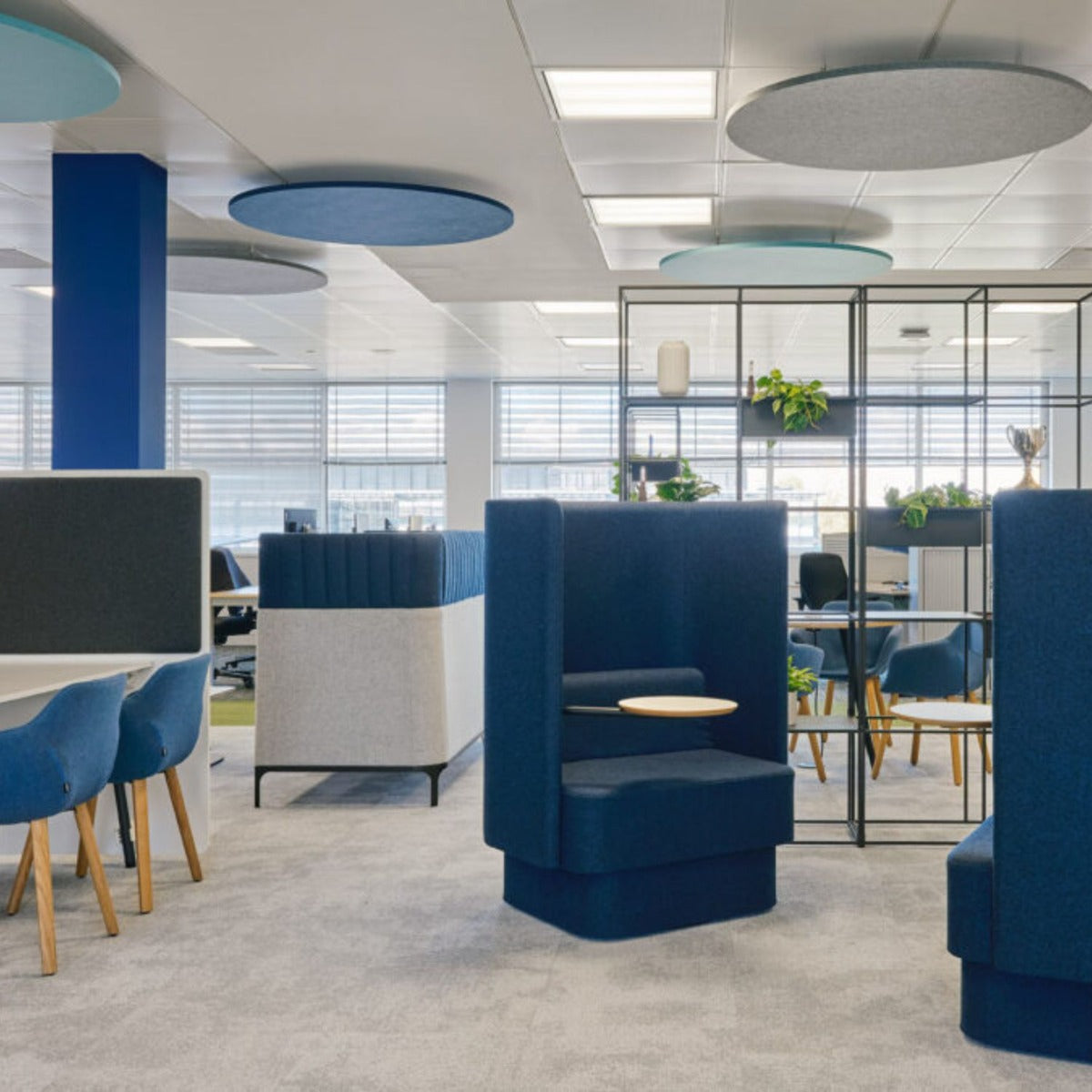
Ceiling treatments, including suspended rafts and baffles, address vertical reflections and can be particularly valuable when wall space is limited by windows, whiteboards, or displays. Ceiling rafts suspended directly above the meeting table intercept sound at the point of origin before it has the chance to scatter widely around the room.
In practice, rooms with several hard surfaces benefit most from a combined approach. Wall panels tackle lateral reflections while a ceiling raft or series of baffles handles what comes back from above. Our acoustic ceiling baffles and suspended raft options are designed to complement wall panel installations precisely for this reason.
Acoustic Screens as a Supplementary Solution
In open-plan offices where meeting rooms are separated by glass partitions or where informal meeting areas sit within a larger workspace, freestanding acoustic screens can provide a useful layer of sound control. They do not replace panel treatments on walls and ceilings, but they do reduce direct sound transmission between adjacent areas and offer a degree of visual privacy alongside their acoustic benefit.
Screens are particularly useful in rooms that also function as video conferencing spaces, where reducing ambient noise pickup from surrounding areas improves call quality noticeably.
Matching Panels to Your Room and Budget
There is a wide range of products across different price points in our full acoustics range, and the right approach depends on how severe the acoustic problem is and what the room is used for.
For a small meeting room with moderate reverberation, a handful of fabric-wrapped wall panels positioned at the main reflection points will often deliver a clear improvement. For a larger conference room with extensive glass, a combination of high-performance wall panels and ceiling rafts will give more consistent results across the whole room. Rooms used regularly for video conferencing or with built-in AV systems benefit most from treating the wall behind the screen and both side walls, since these surfaces have the highest influence on microphone pickup and speaker clarity.
If you are unsure where to start, our best-selling panels give a practical overview of what works across a variety of room types. You can also browse our office acoustic panels collection, which includes options suited to both individual meeting rooms and larger open-plan environments.
Materials, Fire Safety, and Sustainability
All acoustic panels in a commercial meeting room should meet appropriate fire safety standards. The panels available through our meeting and conference room collection are manufactured from fire-safe materials and are suited for use in occupied commercial spaces. Many options, including those in the Autex and BAUX ranges, are also made from recycled or sustainably sourced materials, which is increasingly relevant for organisations with environmental commitments built into their procurement criteria.
The panels themselves are low maintenance once installed. There is no ongoing servicing requirement, and most fabric-wrapped products can be spot-cleaned if needed. This makes them a practical long-term investment rather than a recurring operational cost.
Acoustic Treatment for Other Spaces
If you are looking at acoustic treatment beyond the meeting room, the principles are broadly the same across different environments. Our home office acoustic panels collection covers smaller spaces used for remote working and video calls. The school and classroom acoustic panels range addresses the specific challenges of high-occupancy educational environments. For a broader overview of what is available across all spaces, the best acoustic panels guide for 2025 covers a range of products with context on how each one performs.

For those working in open-plan offices where meeting areas share a larger floor plate, the 2026 buyer's guide to acoustic wall panels for open-plan offices covers the specific challenges of those environments in more detail.
Conclusion
Acoustic panels are one of the most cost-effective changes you can make to a meeting room. They do not require structural work, they last for years without maintenance, and the improvement to speech clarity is immediate and measurable. Whether you are managing a single boardroom or specifying acoustic treatment across an entire office fit-out, there is a product and installation approach to suit the space.
Browse the full range in our conference and meeting room acoustic panels collection, or explore our new arrivals for the latest additions to the range. If you have a specific room in mind and are not sure where to start, get in touch and we can help point you in the right direction.


