











Blog
Blog

Top 7 Acoustic Panels for Productive Home Offices in 2026
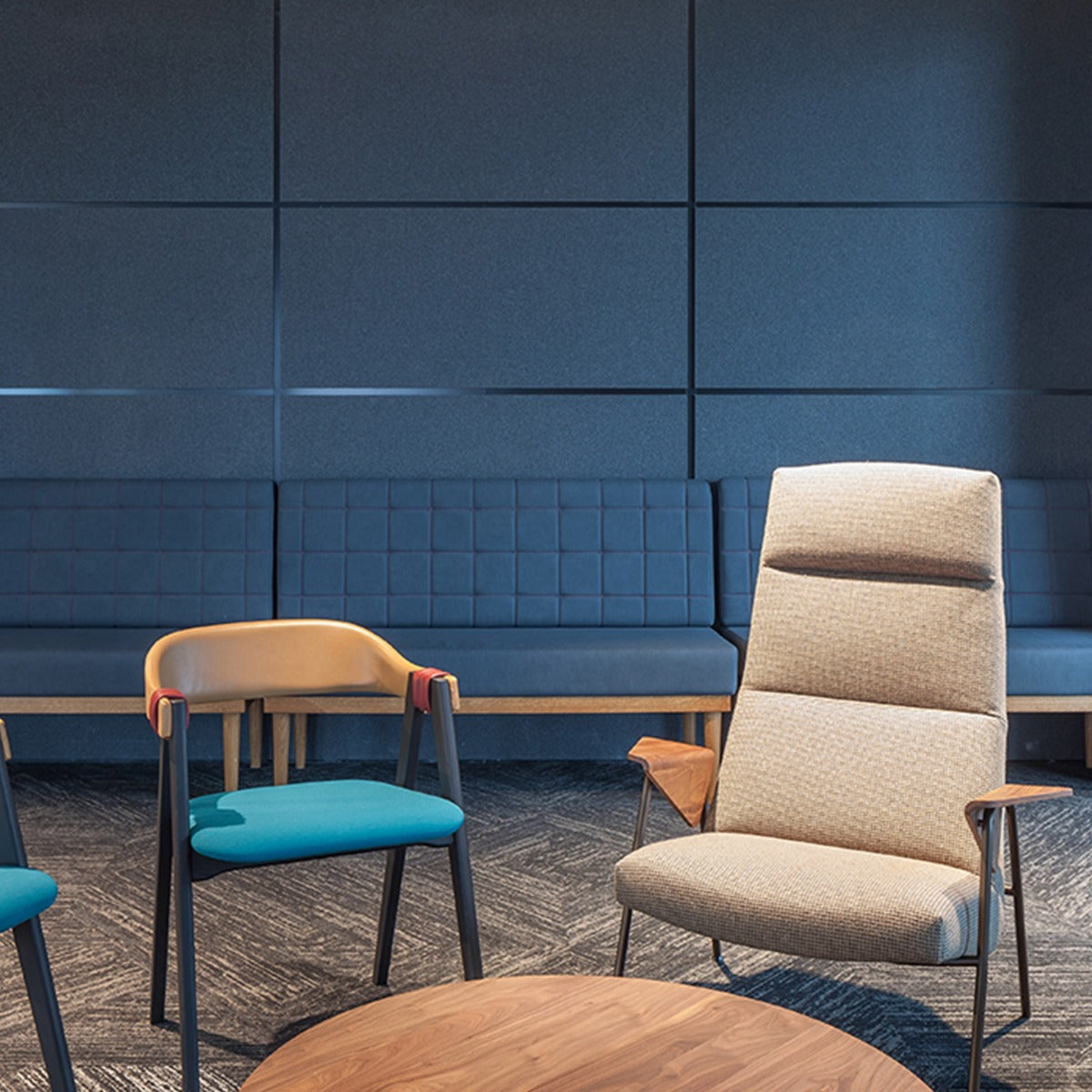
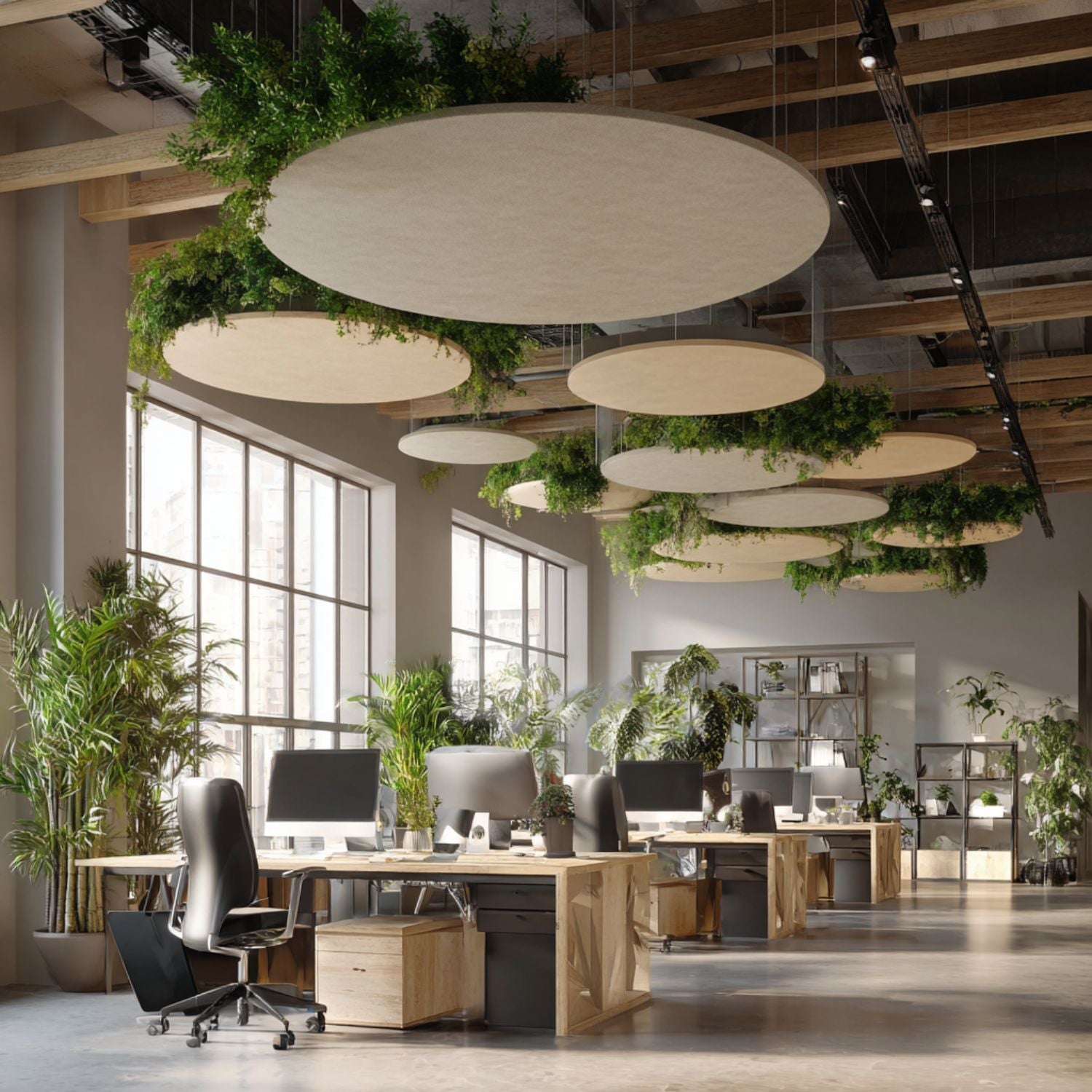
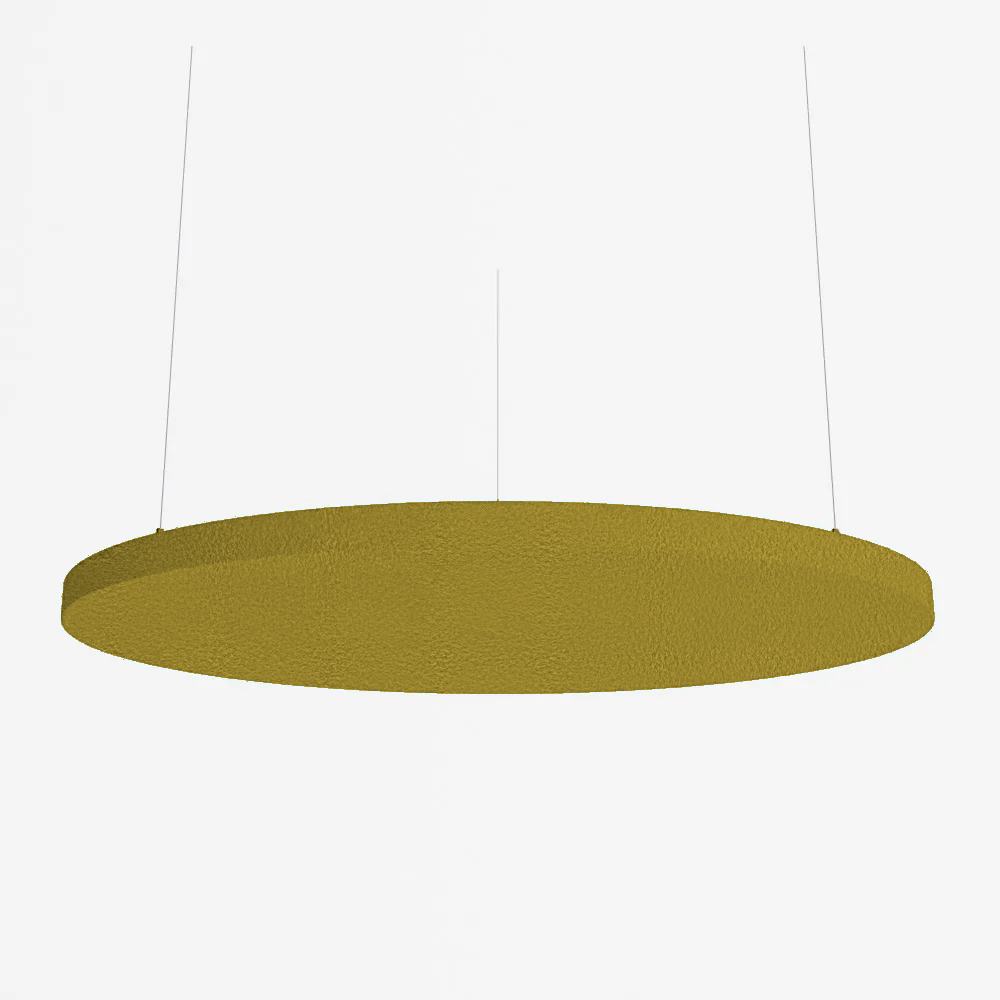
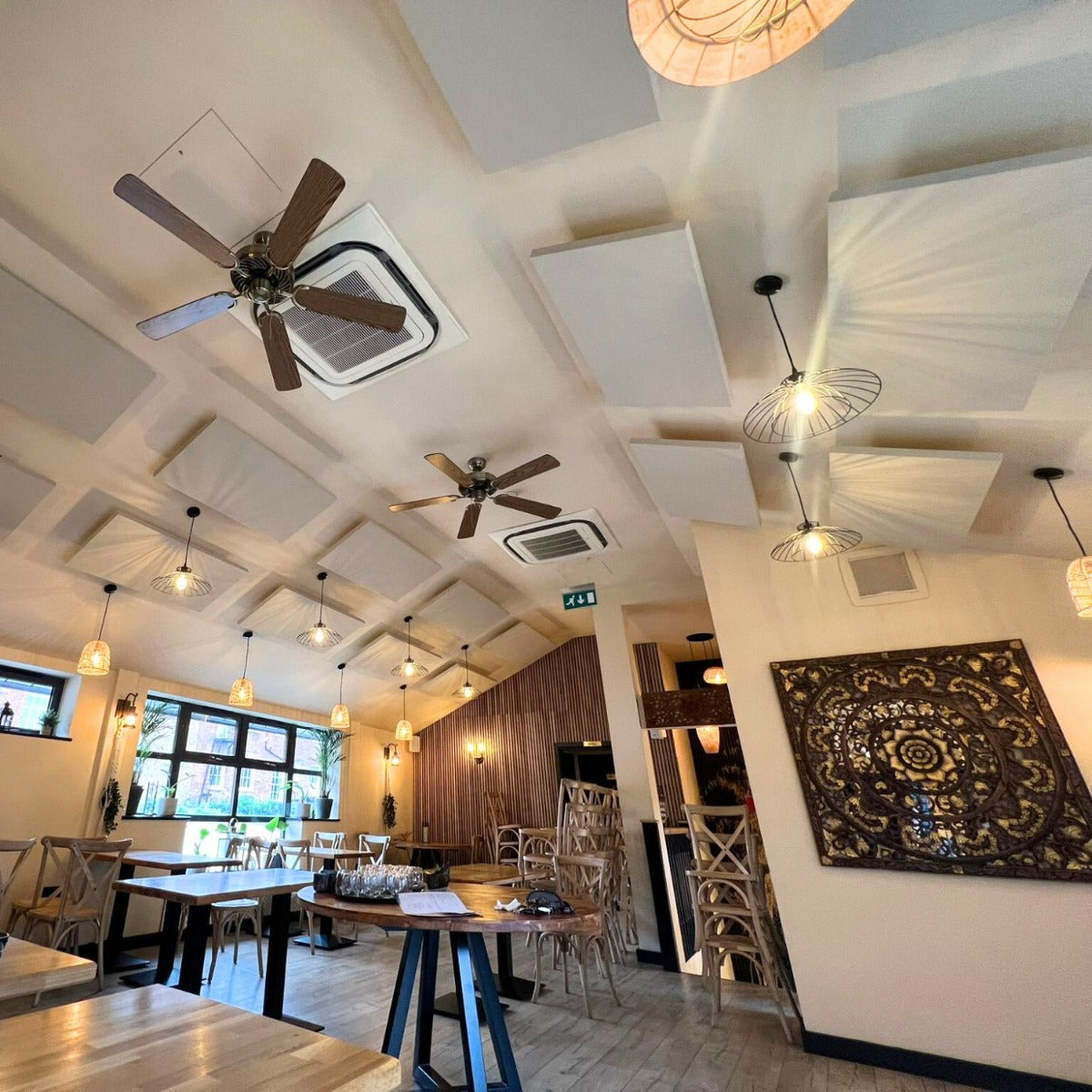
If you've been struggling to focus during video calls or find your home workspace simply too noisy, you're far from alone. Research shows that untreated workspaces with noise distractions result in a loss of approximately 86 minutes of productivity per employee per day, and the top 7 acoustic panels for productive home offices we've curated here are specifically chosen to solve that problem. As the UK's leading interior acoustic specialist with over a decade of experience, we source premium panels from brands across the globe so that finding the right solution is straightforward, not overwhelming. Key Takeaways Question Answer What are the best acoustic panels for a home office? Our top picks include the Autex Cube, BAUX Circle Tiles, De Vorm Mute Flow, Ecophon Solo Circle Raft, SilentSpace Rectangle Panels, BAUX Stripes, and SilentSpace Acoustic Raft. How much wall coverage do I need? Try our acoustic panel calculator to determine how many panels you might need Are acoustic panels safe for residential use? Yes. The home office acoustic panels in our collection are made from non-toxic, sustainable materials including recycled PET felt and wood wool, and comply with residential fire safety standards. What NRC rating should I look for? Look for a Noise Reduction Coefficient (NRC) of 0.85 or higher for professional-grade performance. Panels at this level are now specified in 55% of professional acoustic projects. Can acoustic panels help with video calls? Absolutely. Treated rooms significantly reduce echo and reverberation, which directly improves speech clarity for your colleagues on the other end of the call. Where should I install home office acoustic panels? Install panels behind your desk, on side walls, and on the ceiling above your workspace. These are the primary reflection points in most home offices. Which is the most affordable option? The BAUX Circle Acoustic Tiles start from just £20.64, making them one of the most accessible entry points into quality acoustic wall panels for home offices. Why Acoustic Panels Are Essential for a Productive Home Office Working from home in 2026 is more common than ever, but the spaces most people work in were simply not designed with sound control in mind. Hard walls, wooden floors, and open layouts create echo-heavy environments that exhaust your concentration without you even realising it. Acoustic panels work by absorbing sound energy before it can bounce around the room and cause reverberation. The result is a quieter, cleaner acoustic environment that makes it easier to focus, communicate, and perform. The good news is that you don't need to install panels on every surface. Covering just 15-20% of a room's wall surface can deliver significant noise reduction, which means even a small selection of well-placed panels makes a measurable difference in any home workspace. What to Look for in Acoustic Panels for Home Offices Not every acoustic panel is the right fit for a home workspace. Commercial-grade solutions designed for large open-plan offices may be overkill, while decorative-only products may not deliver the performance you need. Here are the key factors to consider before choosing your panels: NRC Rating: Look for panels with a Noise Reduction Coefficient (NRC) of 0.85 or higher for meaningful absorption at speech frequencies. Material: Recycled PET felt and wood wool are two of the most effective and sustainable options for interior acoustic treatment. Size and Coverage: Measure your available wall space first. Larger panels cover more surface area per unit, while modular tiles offer flexibility. Installation Type: Wall-mounted panels, suspended rafts, and ceiling tiles each suit different room types and ceiling heights. Aesthetics: Your home office is still part of your home. Choose a panel finish that complements your interior rather than clashing with it. Fire Safety: Always confirm that any panel you install in a residential setting meets relevant UK fire safety standards. Did You Know? Workers report a 48% improvement in concentration after installing acoustic treatments in their workspace. Source: Acoustic Sound Panels 2026 Top 7 Acoustic Panels for Productive Home Offices: Our Expert Picks Through over a decade of experience in interior acoustics, we've worked with hundreds of global brands to identify the panels that genuinely deliver in a home office setting. These seven selections cover every budget, installation type, and design preference. 1. Autex Cube Acoustic Panel — Best for Large-Format Wall Coverage Starting from £263.25 (2440 x 1220mm) The Autex Cube Acoustic Panel is one of the most versatile options in our range for home office use. Made from 100% recycled PET, it's a large-format panel that can be used as a complete wall covering or cut and shaped to meet specific design requirements. What makes the Cube particularly impressive is its customisability. It can be grooved, pressed, printed, and moulded, giving you genuine creative control over how it looks in your space. Available in a wide range of colours and two standard sizes (2440 x 1220mm at £263.25 and 2740 x 1220mm at £294.75), it's a solid investment for anyone treating a dedicated home office room rather than just a corner desk. Material: 100% recycled PET felt Sizes: 2440 x 1220mm / 2740 x 1220mm Installation: Wall-mounted Best for: Full wall coverage in dedicated home office rooms Price from: £263.25 2. BAUX Circle Acoustic Tiles — Best for Design-Conscious Spaces From £20.64 (290mm x 290mm) The BAUX Circle Acoustic Tiles are a standout choice for those who want their home office acoustic panels to double as a genuine design feature. Made from a sustainably sourced blend of wood wool and cement, these circular tiles have a distinctive tactile surface that looks as good as it performs. Available in two sizes, with the smaller 290mm x 290mm tile at £20.64 and the larger 580mm x 580mm at £53.28, the modular format makes them easy to arrange across a wall in a pattern that works for your space. The natural material composition also provides fire and moisture resistance, which is an important consideration when selecting permanent wall installations for any room. Material: Wood wool and cement composite Sizes: 290mm x 290mm / 580mm x 580mm Installation: Wall-mounted, modular Best for: Design-led home offices and creative studio spaces Price from: £20.64 per tile 3. De Vorm Mute Flow Acoustic Panel — Best for Statement Design with High Performance From £425.00 The De Vorm Mute Flow is the panel to choose when you want your home office acoustic treatment to make a genuine visual impact. Manufactured from recycled PET felt in a distinctive wave-like 3D pattern, it combines serious sound absorption with interior design credentials that few other panels can match. At 2390 x 790mm, it's a substantial wall panel that brings a sculptural quality to otherwise plain walls. It's lightweight and straightforward to install, and it's available in multiple colourways to suit a range of interior schemes. For home office users who spend long hours in their workspace, having a visually considered environment genuinely matters, and the Mute Flow delivers on both the acoustic and aesthetic fronts. Material: Recycled PET felt Size: 2390 x 790mm Installation: Wall-mounted Best for: Design-forward home offices where aesthetics are a priority Price from: £425.00 4. Ecophon Solo Circle Acoustic Ceiling Raft — Best for Overhead Sound Control Available in multiple sizes (contact for pricing) Many people focus on wall panels and overlook the ceiling, which is actually one of the most important acoustic surfaces in a typical home office. The Ecophon Solo Circle Suspended Acoustic Ceiling Raft addresses this directly, providing high-performance sound absorption from above. Suspended rather than fixed, the Solo Circle is designed for spaces where direct ceiling installation isn't practical or desirable. It maintains the sense of room volume while delivering measurable reductions in reverberation, and it's available in multiple sizes and colours to complement your space. For home offices with hard ceilings, echoey rooms, or anyone who regularly records audio or video content, an overhead acoustic raft is a critical addition to any treatment plan. Material: Glass wool acoustic substrate Sizes: Multiple available Installation: Suspended ceiling raft Best for: Overhead treatment and rooms where wall space is limited Price: Contact for quote 5. SilentSpace Rectangle Acoustic Panels — Best for Classic Fabric-Wrapped Performance Available in multiple sizes (contact for pricing) The SilentSpace Rectangle Acoustic Panels are a reliable, fabric-wrapped solution that suits a wide variety of home office environments. The clean rectangular format works well both as a single feature panel and as part of a larger arranged installation across a wall. Fabric-wrapped panels have long been a standard in professional acoustic treatment because they combine high NRC performance with a finished, interior-friendly appearance. The SilentSpace range delivers this in multiple size options, making it easy to configure coverage that fits your specific room layout. If you're looking for a straightforward, effective acoustic panel for home office use without complex installation requirements, this is an excellent starting point. Material: Fabric-wrapped acoustic core Sizes: Multiple available Installation: Wall-mounted Best for: Clean, professional-looking home office acoustic treatment Price: Contact for quote 6. BAUX Stripes Acoustic Panel — Best for Natural Textured Aesthetics Available in 1160 x 580mm (contact for pricing) The BAUX Stripes Acoustic Panel brings a rich, natural texture to home office walls while delivering the sound absorption performance you'd expect from a premium acoustic panel. Like the BAUX Circle tiles, it's constructed from wood wool and cement, giving it a warm, organic finish that stands out from the more uniform look of fabric-wrapped alternatives. The striped relief pattern creates visual depth without being overpowering, making it an excellent choice for home offices where you want the acoustic treatment to blend naturally with the room's existing character rather than dominate it. BAUX is one of the globally sourced premium brands we carry, and their panels consistently meet the high performance and sustainability standards we expect from our suppliers. Material: Wood wool and cement composite Size: 1160 x 580mm Installation: Wall-mounted Best for: Home offices with natural or Scandi-inspired interior schemes Price: Contact for quote 7. SilentSpace Rectangle Acoustic Raft — Best for Suspended Ceiling Installations Available in multiple sizes (contact for pricing) The SilentSpace Rectangle Acoustic Raft offers a practical, high-performance solution for home offices where ceiling-level acoustic treatment is the priority. Unlike a fixed panel, this raft system suspends from the ceiling using adjustable mounting hardware, making it suitable for rooms where direct ceiling installation is not possible or desirable. Rectangular rafts are particularly effective in home offices with open-beam ceilings, converted loft spaces, or rooms with hard surfaces on multiple sides. By intercepting sound as it travels upward, the raft reduces the room's overall reverberation time and creates a significantly quieter working environment. The SilentSpace Raft is compatible with standard mounting kits and can be configured at different heights to suit your ceiling and room proportions, giving you full control over both the acoustic performance and the visual result. Material: Acoustic fabric-wrapped core Sizes: Multiple available Installation: Suspended ceiling raft Best for: Loft offices, open-beam ceilings, and spaces with limited wall area Price: Contact for quote Comparing the Top 7 Acoustic Panels for Productive Home Offices To make the selection process easier, here's a side-by-side comparison of all seven panels across the key decision-making criteria. Panel Material Installation Best For Price From Autex Cube Recycled PET Wall Large wall coverage £263.25 BAUX Circle Tiles Wood wool / cement Wall (modular) Design-focused offices £20.64 De Vorm Mute Flow Recycled PET Wall Statement design £425.00 Ecophon Solo Circle Raft Glass wool Suspended ceiling Overhead treatment Varies by size SilentSpace Rectangle Panels Fabric-wrapped Wall Classic professional look Varies by size BAUX Stripes Wood wool / cement Wall Natural / Scandi interiors £105.72 SilentSpace Raft Fabric-wrapped Suspended ceiling Loft and open-beam offices Varies by Size How to Get the Most from Your Home Office Acoustic Panels Choosing the right acoustic panels for home offices is only part of the equation. Where and how you install them makes a significant difference to the overall result. Here are the practical placement principles we recommend based on our experience treating interior spaces: Start with the wall behind your desk. This is your primary reflection surface and the one most responsible for the echo you hear during calls. Treat the ceiling above your workspace. Suspended rafts like the Ecophon Solo Circle or SilentSpace Raft are ideal here, particularly if you can't fix panels directly to the ceiling. Address side wall first reflection points. These are the points on the side walls roughly in line with your monitor. A single panel on each side wall makes a noticeable difference. Don't over-treat the room. A room that is too acoustically dead feels uncomfortable to work in. Aim for balance rather than maximum absorption on every surface. Mix panel types. Combining wall-mounted panels with a ceiling raft gives you multi-directional coverage that is far more effective than a single installation type alone. Did You Know? Video call speech intelligibility improves by 40% in offices treated with acoustic panels. Source: Acoustic Sound Panels 2026 Materials Used in the Top Acoustic Panels for Home Offices Understanding the materials that go into the panels you're buying helps you make a more informed decision, particularly if sustainability or health credentials matter to you. Here's a quick overview of the three primary materials used across our top seven picks: Recycled PET Felt Used in the Autex Cube and De Vorm Mute Flow, recycled PET felt is manufactured from post-consumer plastic bottles that have been processed into dense, fibrous sheets. It's non-toxic, lightweight, and available in a wide range of colours. PET felt achieves high NRC ratings, particularly in the mid and high frequency ranges that correspond to speech, making it ideal for home office environments where voice clarity on calls is the primary concern. Wood Wool and Cement The material behind the BAUX range, wood wool composite panels combine shredded wood fibres bound with cement to create a rigid, textured tile with both absorption and diffusion properties. The natural composition means they are moisture and fire resistant, and they bring a warmth to spaces that synthetic materials can't easily replicate. Fabric-Wrapped Acoustic Core The SilentSpace panels use a traditional but highly effective construction: a dense acoustic core (typically glass wool or mineral fibre) wrapped in a fabric facing. This approach allows for a clean, professional finish in any colour of fabric, making these panels some of the most interior-friendly options in any acoustic treatment plan. Frequently Asked Questions Do acoustic panels actually work in a home office? Yes. Acoustic panels work by absorbing sound energy at the frequencies most associated with speech and background noise, reducing the reverberation and echo that make home offices feel noisy. Workers consistently report measurable improvements in concentration and call clarity after installing acoustic panels in their home workspace. How many acoustic panels do I need for a home office? For most home offices, treating 15-20% of total wall surface area provides noticeable noise reduction. In practical terms, this means two to four medium-sized panels on your primary reflection points (the wall behind you and the side walls) will make a significant difference in most rooms. Are acoustic panels worth it for a home office in 2026? In 2026, with remote and hybrid work firmly established as the norm, acoustic panels are one of the highest-impact investments you can make in your home workspace. Research shows a 48% improvement in concentration and a 40% improvement in video call speech clarity in acoustically treated spaces, both of which directly affect your daily performance and professional presentation. What is the difference between acoustic panels and soundproofing? Acoustic panels absorb sound within a room to reduce echo and reverberation, improving the audio quality of the space itself. Soundproofing, by contrast, aims to prevent sound from passing through walls, floors, and ceilings. For most home office applications, acoustic panels are the correct solution, as the primary issue is internal room acoustics rather than sound transmission between rooms. Can I install acoustic panels myself in a home office? Most of the panels in our range, including the BAUX Circle Tiles, SilentSpace Rectangle Panels, and De Vorm Mute Flow, are designed for straightforward wall mounting and include or are compatible with standard mounting hardware. Suspended rafts like the Ecophon Solo Circle require a simple suspension setup, but all products include installation guidance. If you're unsure, our team is on hand to advise on the best approach for your specific room. Which acoustic panel is best for video calls and recording? For video calls and audio recording, the priority is reducing high-frequency reflections and reverberation in the mid-range speech frequencies. Recycled PET felt panels like the Autex Cube or De Vorm Mute Flow are particularly effective in this range. Combining a wall panel behind your monitor with a ceiling raft above your desk delivers the best results for call quality. Where can I browse all acoustic panels for home office use in the UK? You can browse our full range of office acoustic panels online, with options spanning wall panels, ceiling rafts, fabric-wrapped solutions, and designer tiles from premium global brands. We supply across the UK and our team of acoustic specialists is available to help you select the right solution for your space. Conclusion The top 7 acoustic panels for productive home offices we've covered here span every installation type, budget, and aesthetic preference, from the entry-level BAUX Circle Tiles at £20.64 per tile to the statement De Vorm Mute Flow at £425.00 and everything in between. Whether you need a fabric-wrapped wall panel, a suspended ceiling raft, or a sculptural recycled PET design feature, there's a solution in this selection that will make a genuine difference to how your home office sounds and feels. At Sonio, we've spent over a decade sourcing premium acoustic products from brands across the globe, and we supply all of the panels in this guide directly through our online store, making it straightforward to find, order, and install the right solution for your workspace. If you're ready to build a quieter, more focused home office, our home office acoustic panels collection is the best place to start.
Read more
How to Improve Your Home Office Acoustics: A Complete Guide
How to Improve Your Home Office Acoustics: A Complete Guide Working from home has become a permanent arrangement for millions of people, and for most, the room they work in was never designed with acoustics in mind. Spare bedrooms, converted loft spaces, and garden offices share one common problem: sound bounces around freely, making it harder to concentrate, harder to communicate clearly on calls, and harder to feel settled in your work. This guide covers everything you need to know about treating your home office acoustically, from understanding how sound behaves in small rooms to choosing the right panels, rafts, and baffles for your setup. Why Poor Acoustics Affect Your Work More Than You Realise Most people associate bad acoustics with large, echoey spaces like sports halls or empty restaurants. But small rooms with hard, reflective surfaces have their own acoustic problems, and a home office is a prime example. A room with painted plaster walls, a wooden floor, glass windows, and a desk against a hard wall will reflect sound back and forth rapidly, creating a buildup of noise that can feel fatiguing even when the room is quiet. The effects are practical as well as psychological. Speech intelligibility drops when reverberation is high, meaning your voice sounds muddy on video calls. Background noise from other parts of the house becomes more noticeable when there's nothing absorbing it. And sustained exposure to a reverberant environment increases cognitive load, even when you're not actively aware of it. Improving acoustics addresses all of these problems at once. If you're setting up a workspace elsewhere in your home, the same principles apply. You can explore acoustic solutions for homes and apartments more broadly, or look at purpose-specific treatments for living room workspaces if your setup isn't a dedicated room. How Sound Behaves in a Typical Home Office When sound is generated in a room, it travels outward in all directions. Hard surfaces like walls, ceilings, floors, and glass reflect it back with very little energy lost. In a room with no soft furnishings, sound can bounce many times before it dies away, producing what's measured as reverberation time. The longer the reverberation time, the more muddled the acoustic environment becomes. Home offices are often stripped-back spaces compared to living rooms, which tend to have soft furniture, curtains, and carpets that absorb some of this energy naturally. A dedicated office with hard floors, bare walls, and a desk facing a window can have reverberation times significantly higher than what's comfortable for focused work or clear communication. The solution isn't to cover every surface, but to add enough absorption in the right places to bring reverberation time down to a comfortable level. This is where acoustic panels, ceiling rafts, and baffles come in. You can browse the full range of available treatments in the complete acoustics collection to get a sense of what's available across different product types. Acoustic Wall Panels: The Most Accessible Starting Point Wall panels are usually the first thing people consider, and for good reason. They're straightforward to install, they come in a wide variety of sizes and fabrics, and they can be positioned strategically to target the most reflective surfaces in a room. Placing panels on the wall opposite your desk, on side walls, or around the area where you typically take calls will have a noticeable impact. Fabric-wrapped panels are a popular choice because they combine effective sound absorption with a clean, finished appearance. The SilentSpace range of fabric-wrapped panels comes in rectangle, square, and circle formats in multiple sizes, making it easy to work with whatever wall space you have available. The fabric surface can be colour-matched to your décor, so the panels don't have to look like an afterthought. For something with more texture and visual character, the Autex 'Mirage' and 'Cube' PET panels offer absorption alongside a more tactile, design-led surface finish. PET felt panels are made from recycled materials and are a good choice if sustainability is a consideration in your purchasing decisions. Installation is generally simple. Most panels can be fixed with adhesive strips or light wall fixings, meaning you don't need specialist tools or skills. If you're renting and can't fix anything to the walls permanently, freestanding options and leaning panels are also worth considering. Browse the full selection of acoustic wall panels to compare formats, sizes, and finishes. Acoustic Ceiling Panels and Suspended Rafts The ceiling is one of the most acoustically significant surfaces in a room because it's large, hard, and directly above the source of most sound. Yet it's also the most commonly overlooked surface when people start treating a home office. Adding absorption overhead, whether through ceiling-mounted panels or suspended rafts, can produce a dramatic improvement in clarity and comfort. Suspended rafts hang from the ceiling on discreet wires and absorb sound from both sides, making them considerably more efficient per unit area than flat ceiling tiles. They work particularly well in rooms with higher ceilings where there's space to drop them without affecting headroom. The SilentSpace range includes fabric-wrapped rafts in both rectangle and circle formats at multiple sizes. These are a practical and cost-effective way to add overhead absorption without a complex installation. The circle format in particular works well visually in a smaller room where a large rectangular raft might feel overwhelming. For a more refined finish, the BAUX 'Wood Wool' ceiling panels are worth considering. Made from wood wool bound with cement, they offer both absorption and a warm, textured surface that suits contemporary interiors. They're available in 1200 x 600mm ceiling tile format, making them compatible with standard grid ceiling systems if your home office has a suspended ceiling. You can find the complete range of suspended and fixed options in the acoustic ceiling panels collection. Ecophon Solo Rafts: A Premium Ceiling Solution The Ecophon Solo series represents one of the most trusted names in suspended acoustic ceiling products. The Solo range is used across professional offices, healthcare environments, and education settings, but it's equally well suited to a home office where you want a clean, high-performance solution that doesn't compromise on appearance. The Ecophon Solo Square is a 1200 x 1200mm frameless raft with an Akutex FT surface finish. It's available in multiple colours, suspends on discreet wires, and comes with all the fixation hardware included. The frameless design gives it a minimal look that fits naturally into a modern home office without looking industrial. Priced at £175 per panel, it's a considered investment that delivers measurable acoustic improvement. The Ecophon Solo Circle is available in Ø800mm and Ø1200mm diameters and comes in packs of four panels with fixation hardware included. The circular format softens the geometry of a room and works well as a focal point above a desk or seating area. Both Solo formats offer an effective and cost-conscious acoustic solution, with the Circle variant being a particularly good option for smaller home offices where a large rectangular raft would dominate the ceiling. Acoustic Ceiling Baffles for Home Offices Baffles are a different approach to ceiling acoustics. Rather than horizontal panels sitting parallel to the ceiling, baffles hang vertically in rows, absorbing sound as it passes through the gaps between them. This gives them a high effective surface area relative to the ceiling space they occupy, making them efficient in rooms where you can't or don't want to cover large areas of the ceiling. The Ecophon Solo Baffle is a Class A absorber with the same Akutex FT surface used across the Solo range. It suspends vertically from the ceiling and can be configured in adjustable arrangements depending on the space. Priced at £499 per pack, this is a serious acoustic product for home offices where performance is the priority. Fixings are included. The SilentSpace fabric-wrapped ceiling baffles offer a similar vertical format at a more accessible price point and in a wider range of fabric colours, making them a practical choice for home offices where aesthetics matter as much as acoustic performance. The full selection of suspended baffle products is available in the acoustic ceiling baffles collection, including both fabric-wrapped and PET felt variants across multiple sizes. Acoustic Screens and Desk Dividers If your home office is part of a larger open-plan space, or if you share a room with other people, freestanding acoustic screens offer a targeted solution. They work by absorbing sound close to the source, reducing how much travels across the room in the first place. Screens are also useful in front of windows, where hard glass surfaces cause significant sound reflection. Positioning an acoustic screen perpendicular to a window can help break up the reflection path without covering the glass entirely. Browse the acoustic screens collection for freestanding and desk-mounted options suited to home working environments. Acoustic Panels That Work as Wall Art One of the most practical developments in acoustic design is the printed panel. Rather than a plain fabric surface, these panels carry photographic or artistic prints directly on the acoustic material, effectively functioning as both wall art and acoustic treatment. For a home office where you've put thought into how the room looks, this is a neat way to add absorption without making the space feel clinical. The SilentSpace Printed Art Acoustic Panels are available in multiple sizes and can be produced with custom imagery, making it possible to have panels that reflect your own aesthetic rather than a generic manufacturer's palette. They retain the same core acoustic performance as the standard SilentSpace fabric range. For something more architectural, the Abstracta 'Sahara' panels and acoustic slat wall panels in the Eco Sound range add visual depth to a wall while absorbing mid to high frequency sound. The Eco Sound acoustic slat wall panels, measuring 3000 x 600mm, work particularly well across an entire feature wall, creating the kind of warm, textured interior surface that a home office benefits from both acoustically and visually. Acoustic Lighting: Combining Function with Acoustics Several products in the range integrate acoustic absorption directly into lighting fixtures, which is an efficient way to treat a space without dedicating additional wall or ceiling area to panels alone. These products absorb sound through the body of the fitting itself, making productive use of the ceiling space that a pendant light would occupy anyway. The Impact Acoustic 'Spark' acoustic lighting and the Abstracta 'Vika' acoustic lamp absorber are both designed with this dual purpose in mind. The De Vorm 'Pivot' adjustable acoustic lamp adds flexibility to the concept, allowing you to direct both light and acoustic absorption where they're needed most. For a home office where adding panels might feel too conspicuous, acoustic lighting can provide a more integrated solution. How to Plan Your Home Office Acoustic Treatment There's no single formula for treating a home office because every room is different. That said, a few practical principles apply across most situations. Start with the most reflective surfaces. Bare plaster walls, ceilings, and floors are the primary culprits. Address at least two of these before considering anything else. Target the first reflection points. Sound from your speakers or your voice will reflect off the wall directly to the side of you and the ceiling directly above. Placing panels at these points has a disproportionate effect on clarity. Aim for balanced coverage. Covering one wall entirely while leaving all others bare will produce an uneven acoustic environment. Spread absorption across different surfaces and positions in the room. Combine panel types. Using a mix of wall panels, ceiling rafts, and possibly baffles addresses sound coming from different angles and gives a more complete treatment than relying on one product type alone. Don't over-treat. A completely dead room is uncomfortable in its own way. The goal is to reduce excess reverberation, not eliminate all reflections. If your needs extend beyond a single home office, the same principles apply in larger professional settings. The commercial office acoustic panels collection covers a broader range of solutions for open-plan and multi-desk environments, including larger format panels and more extensive baffle systems. Materials: What to Look for When Choosing Acoustic Panels Not all acoustic panels are made from the same materials, and the differences matter both in terms of performance and practicality. Fabric-wrapped panels use a rigid core, typically glass wool, rock wool, or polyester fibre, wrapped in an acoustic-transparent fabric. The fabric has no effect on sound absorption but allows sound waves to pass through to the core where they're absorbed. These are among the most effective products for broadband sound absorption and can be made to look exactly as you want them to. PET felt panels are made from recycled plastic bottles and offer good mid to high frequency absorption. They're lighter than fabric-wrapped panels, easier to cut to custom sizes, and visually distinctive. Products like the Autex range and the BAUX X-FELT panels fall into this category. Glass wool products such as the Ecophon range provide very high levels of absorption, particularly at low frequencies. The Ecophon Solo rafts and baffles use a glass wool core with a durable Akutex FT surface that's both cleanable and suitable for humid environments. Wood wool panels such as the BAUX 'Wood Wool' ceiling tiles offer a different acoustic character and a natural, warm aesthetic. They're particularly effective at diffusing as well as absorbing sound, making them useful in rooms where you want to retain some liveness rather than damping everything down. For home studios where more precise acoustic control is needed, separate guidance applies. The music studio acoustic panels collection covers specialist products suited to recording and listening environments. Easy Installation: Getting Panels Up Without Disruption Most acoustic wall panels can be installed without professional help. Fabric-wrapped panels at smaller sizes can be fixed with heavy-duty adhesive strips, meaning no drilling or wall damage. Larger panels and ceiling products typically require fixings into the wall or ceiling, but the hardware is usually included and the process is straightforward. Suspended rafts like the Ecophon Solo range use discreet stainless steel wires with ceiling anchors. The anchors require drilling, but the installation process is well documented and the components are designed for straightforward self-installation. All fixation hardware is supplied with the product. Where walls can't be drilled, freestanding products and leaning panels provide an alternative. Acoustic screens are self-supporting and can be repositioned as needed, which is particularly useful in rented spaces. The ceiling baffles collection includes products designed for quick, reversible installation suitable for home environments. Conclusion Getting the acoustics right in a home office is one of the most effective improvements you can make to your working environment, and it doesn't require a complete renovation. A combination of wall panels, ceiling rafts, and appropriate furnishings can reduce reverberation, improve speech clarity on calls, and make long hours at the desk considerably more comfortable. The range of products available means there's a practical solution for every type of home office, from a small spare room to a purpose-built garden studio. Whether you start with a few fabric-wrapped wall panels or opt for a suspended raft system like the Ecophon Solo series, the results are measurable and immediate. Browse the full home office acoustic panels collection to find products suited to your specific room, budget, and aesthetic preferences, or explore the complete acoustics range if you want to see everything available across all product types and formats.
Read more