


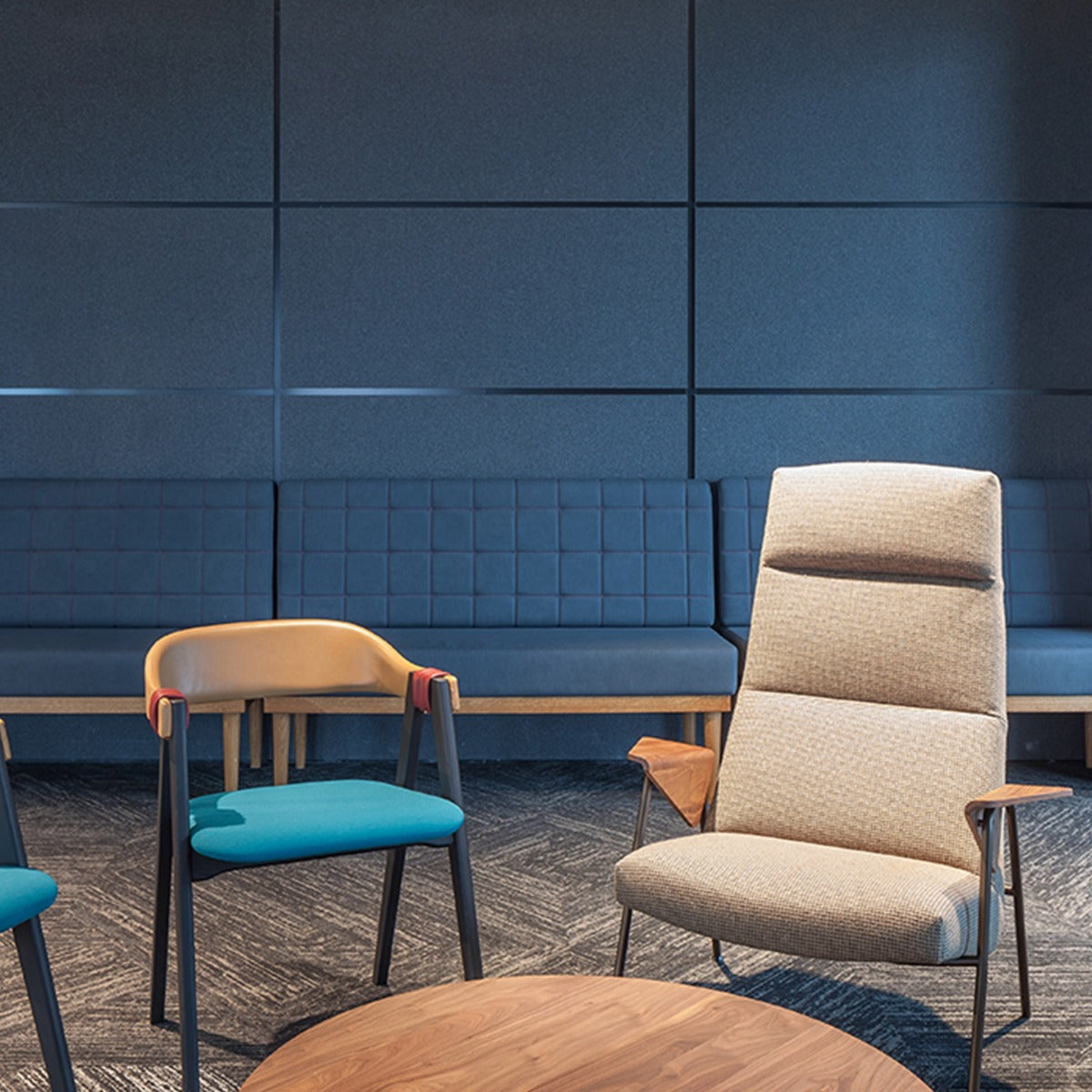


Collection:
Recording & Music Studios
Acoustic treatment is the difference between a recording space that translates and one that doesn't. In an untreated room, mid and high-frequency reflections muddy your monitors, make vocals sound boxy, and produce mixes that fall apart on other speakers. Even modest treatment — first-reflection points, the wall behind the monitors, the rear wall, the ceiling cloud — transforms what you can hear and the decisions you can make.
We stock Class A and Class B absorbers suitable for home studios, project studios, vocal booths, podcast rooms, and live tracking spaces. Fabric-wrapped panels (SilentSpace) for premium broadband absorption. Autex Cube and Quietspace for cost-effective coverage. BAUX wood wool tiles for diffuse-feeling rooms with a designed look. Most setups need 6-12 panels — though serious mix and tracking rooms benefit from more, including bass traps in corners.
A reminder before you buy: acoustic panels treat sound inside a room. They don't stop sound leaking in or out. If you're recording loud sources or working in a flat where neighbours are an issue, you'll need to combine panels with proper soundproofing (mass, isolation, sealed openings) — that's a separate problem from acoustic treatment. More on the difference here.
Try our acoustic calculator for a tailored material list, or get in touch if you want a layout review for a specific room.

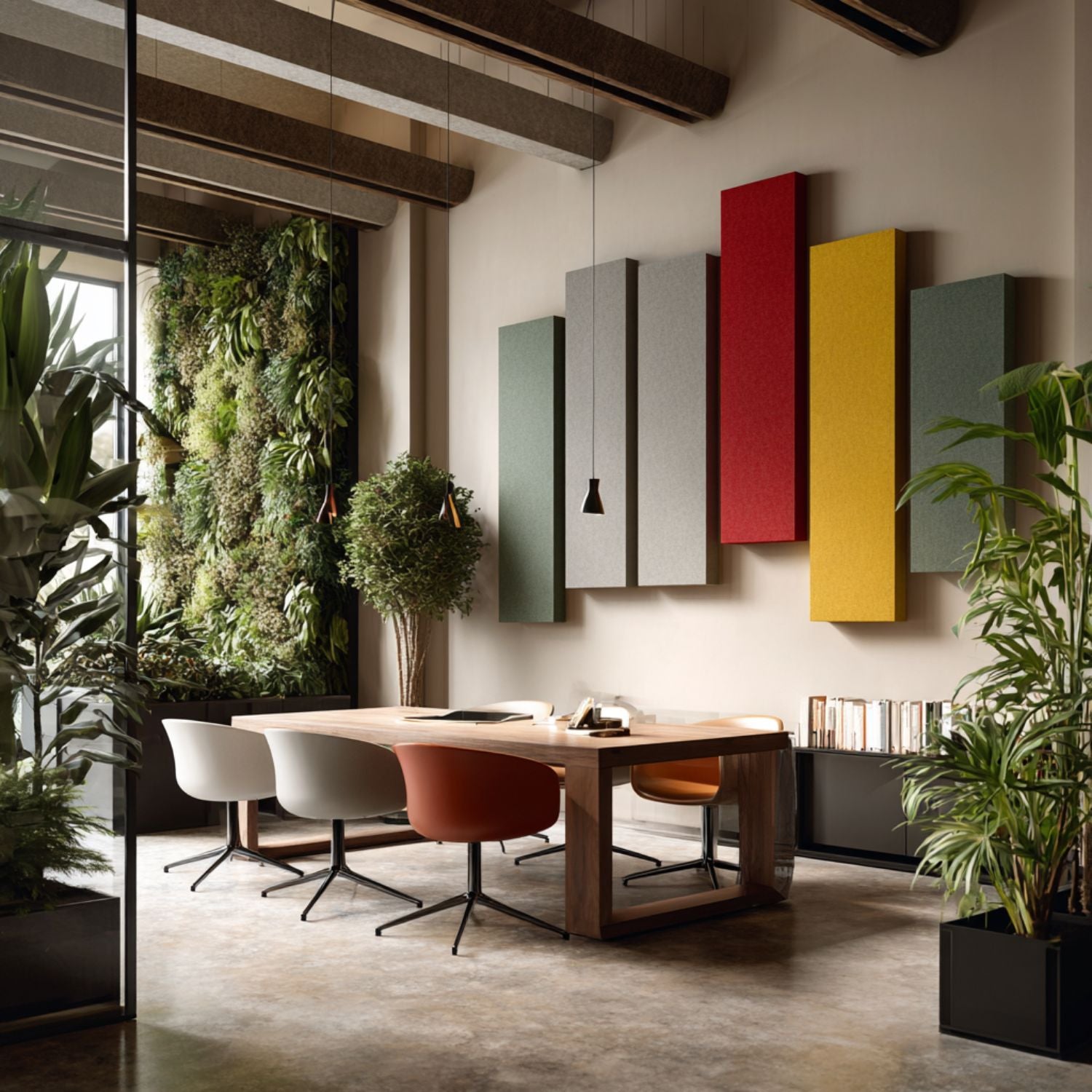
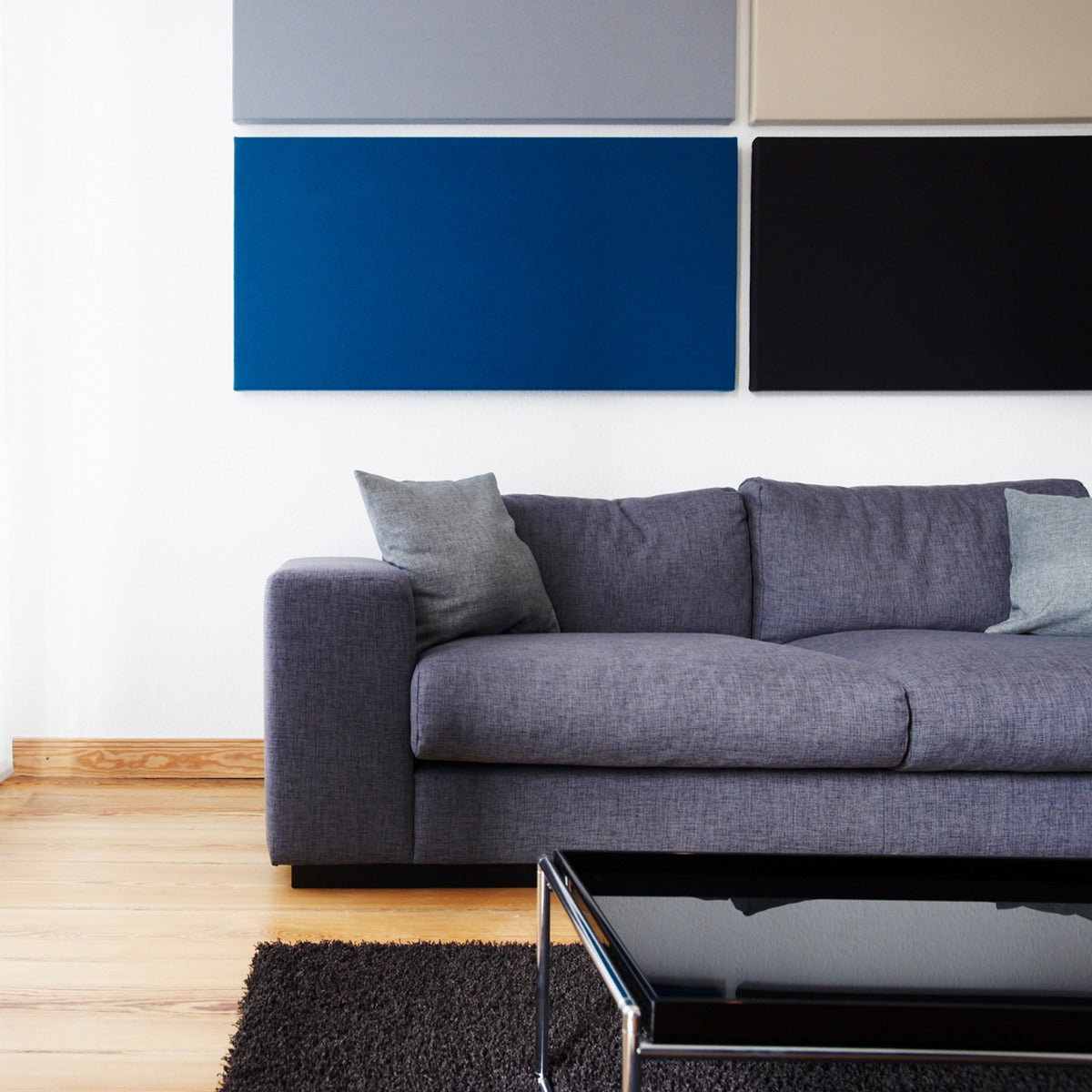
SilentSpace Fabric Wrapped Acoustic Panels - Custom Sizes
A lightweight, cost effective acoustic wall panel solution that is super easy to install. Ideal for reducing reverberation in a wide variety of spaces. Order your panels to your exact size requirements below. Wall spikes and adhesive included.
Choose your option
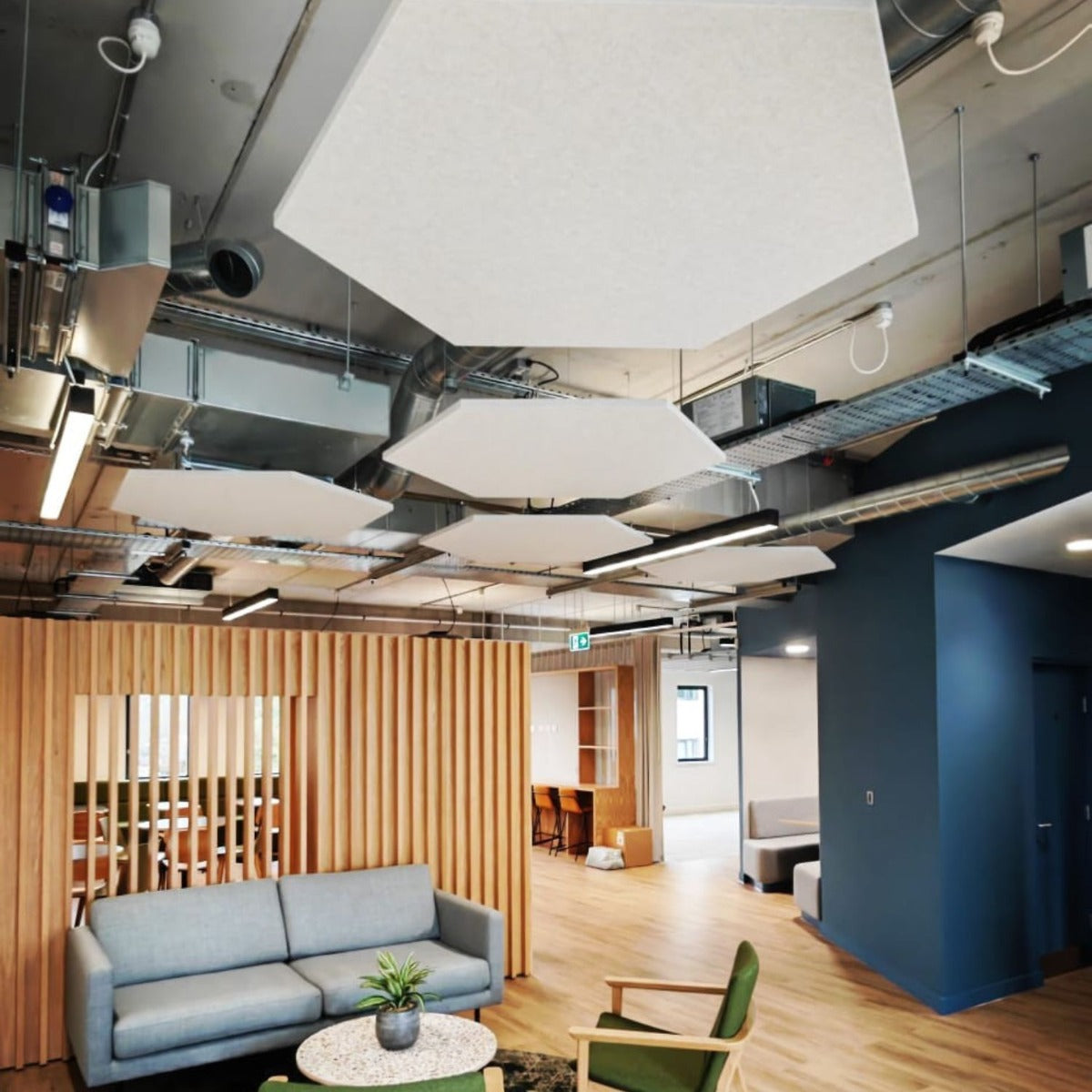

SilentSpace Hexagon Acoustic Rafts - Multiple Sizes
SilentRaft Hexagon from SilentSpace is a high performing, and interesting acoustic solution for ceilings. Available in a variety of Camira fabrics. Suspension kits included.
Choose your option
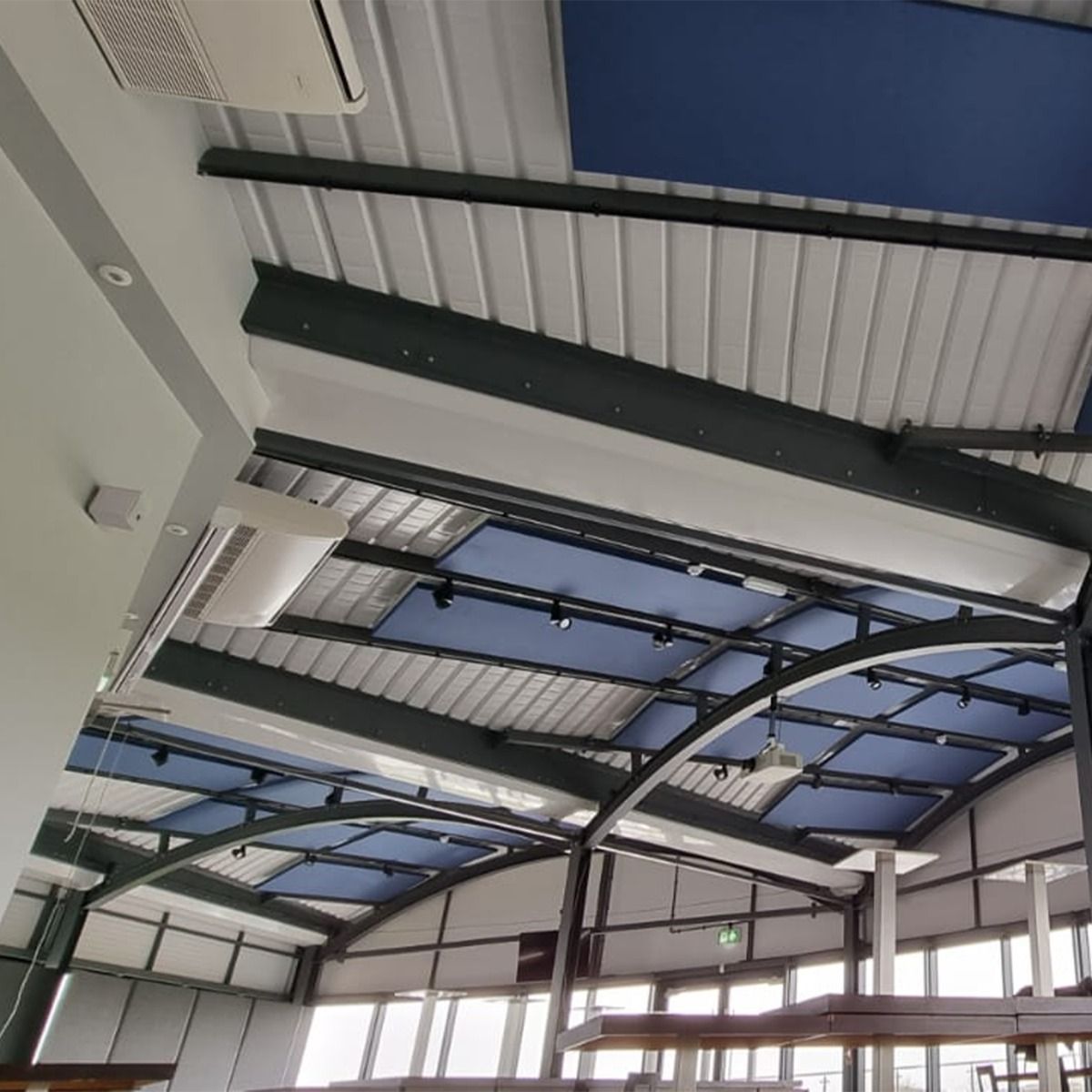

SilentSpace Fabric Wrapped Acoustic Ceiling Raft - Custom Sizes
SilentSpace fabric wrapped acoustic rafts are a lightweight, cost effective acoustic solution that is super easy to install. Ideal for reducing reverberation in a wide variety of spaces. Order your panels to your exact size requirements below.
Choose your option

Silent Materials 'Akopol GM' Acoustic Wall & Ceiling Panel - Multiple Sizes
Akopol GM polyester wool offers a modern substitute for conventional acoustic panels typically made from mineral wool, suitable for wall and ceiling applications to dampen sound.
Choose your option
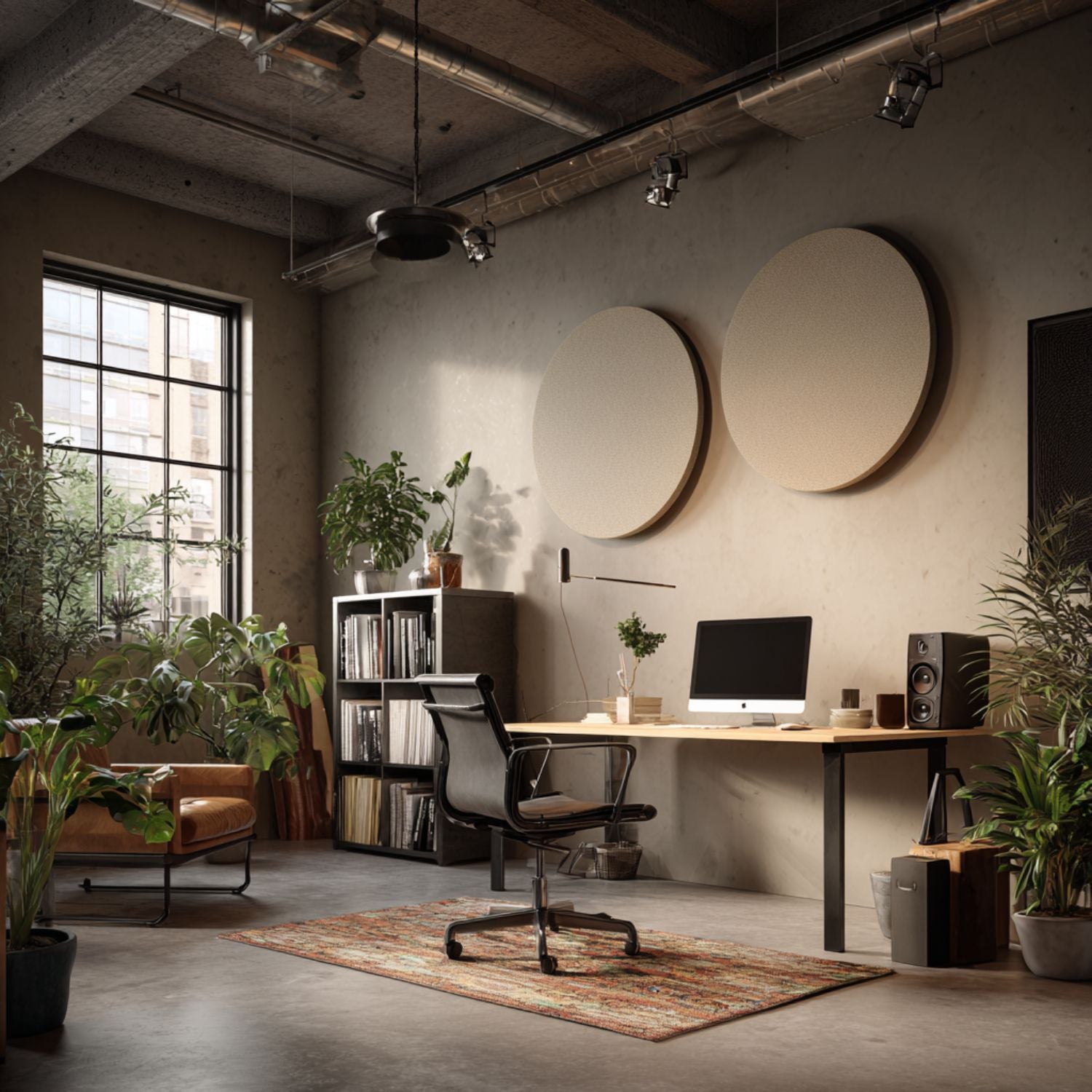

SilentSpace Circle Acoustic Panels - Multiple Sizes
SilentSpace Circle is designed to offer both a visually pleasing appearance and improved acoustic comfort. It's an ideal option if you're seeking to lessen or manage the sound reflection in areas that have many solid surfaces.
Choose your option
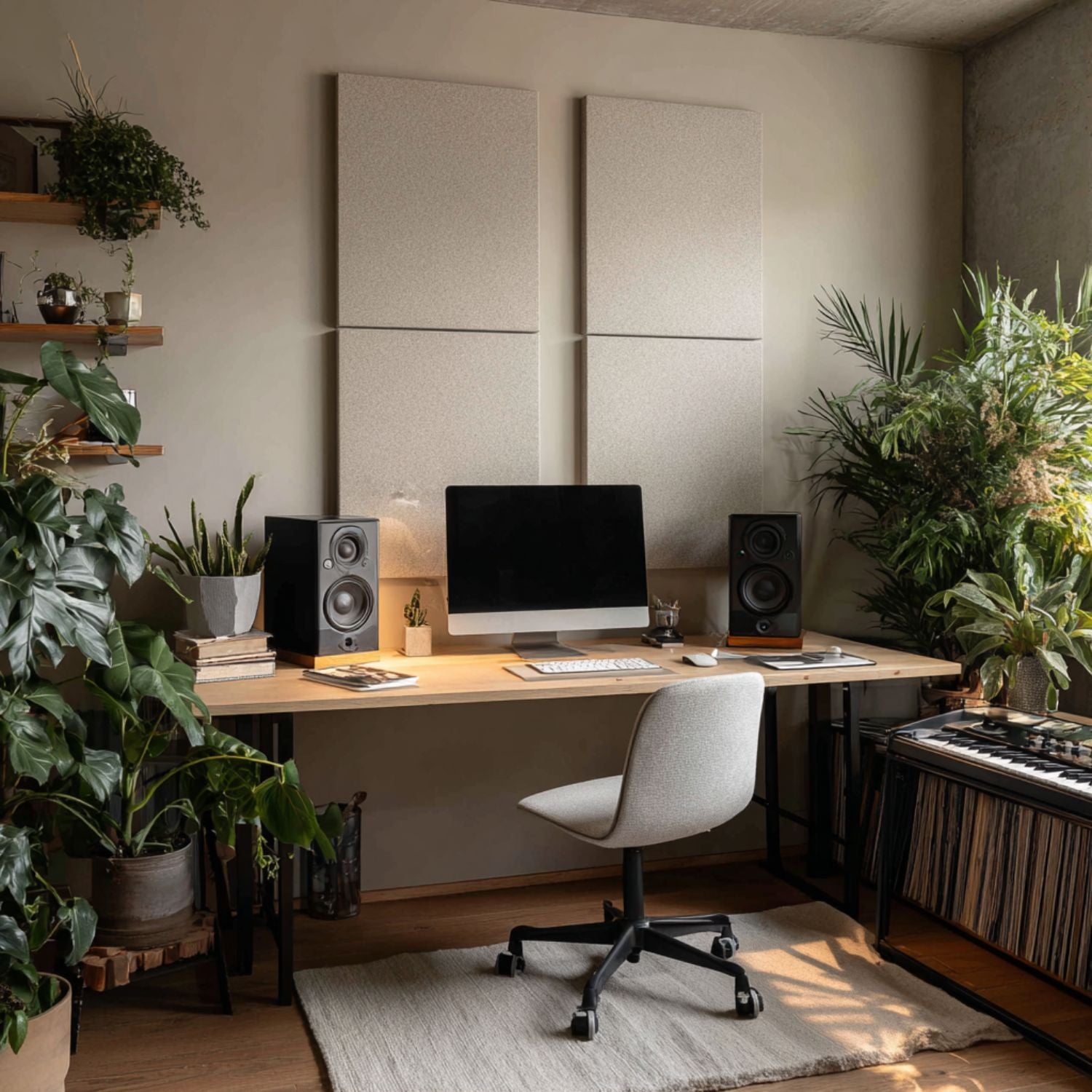

Square Acoustic Panels - SilentSpace Fabric - Multiple Sizes
SilentSpace Square Fabric Wrapped Acoustic Panels are a highly effective solution for reducing sound reflection and improving the sound quality of any space. Fixings and adhesive included.
Choose your option

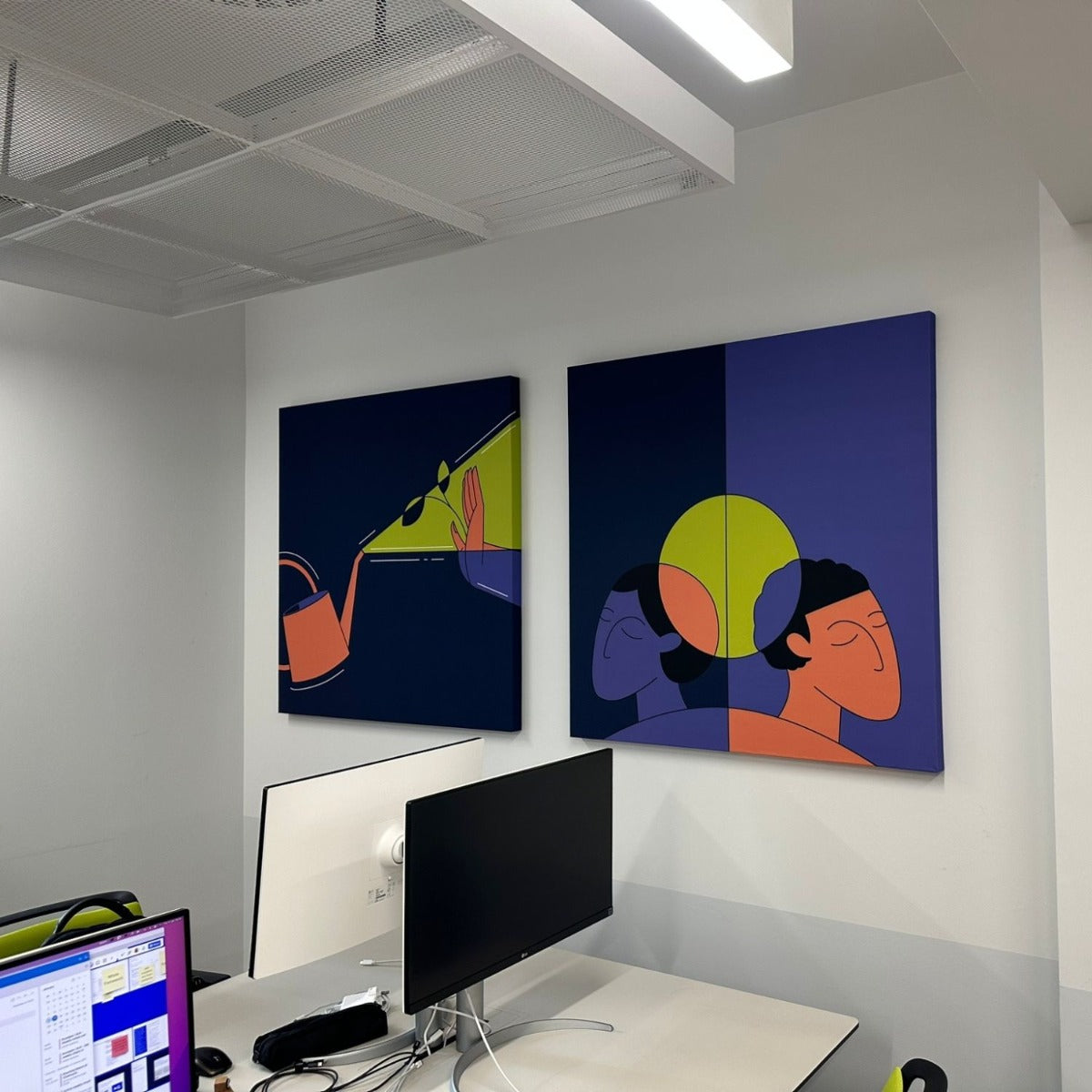
SilentSpace Printed Art Acoustic Panels - Multiple Sizes
Bring style and sound absorption to any room with the SilentSpace Printed Acoustic Panel. This Class A sound absorber is the perfect solution for those looking add a unique acoustic element. Please provide print ready artwork!
Choose your option
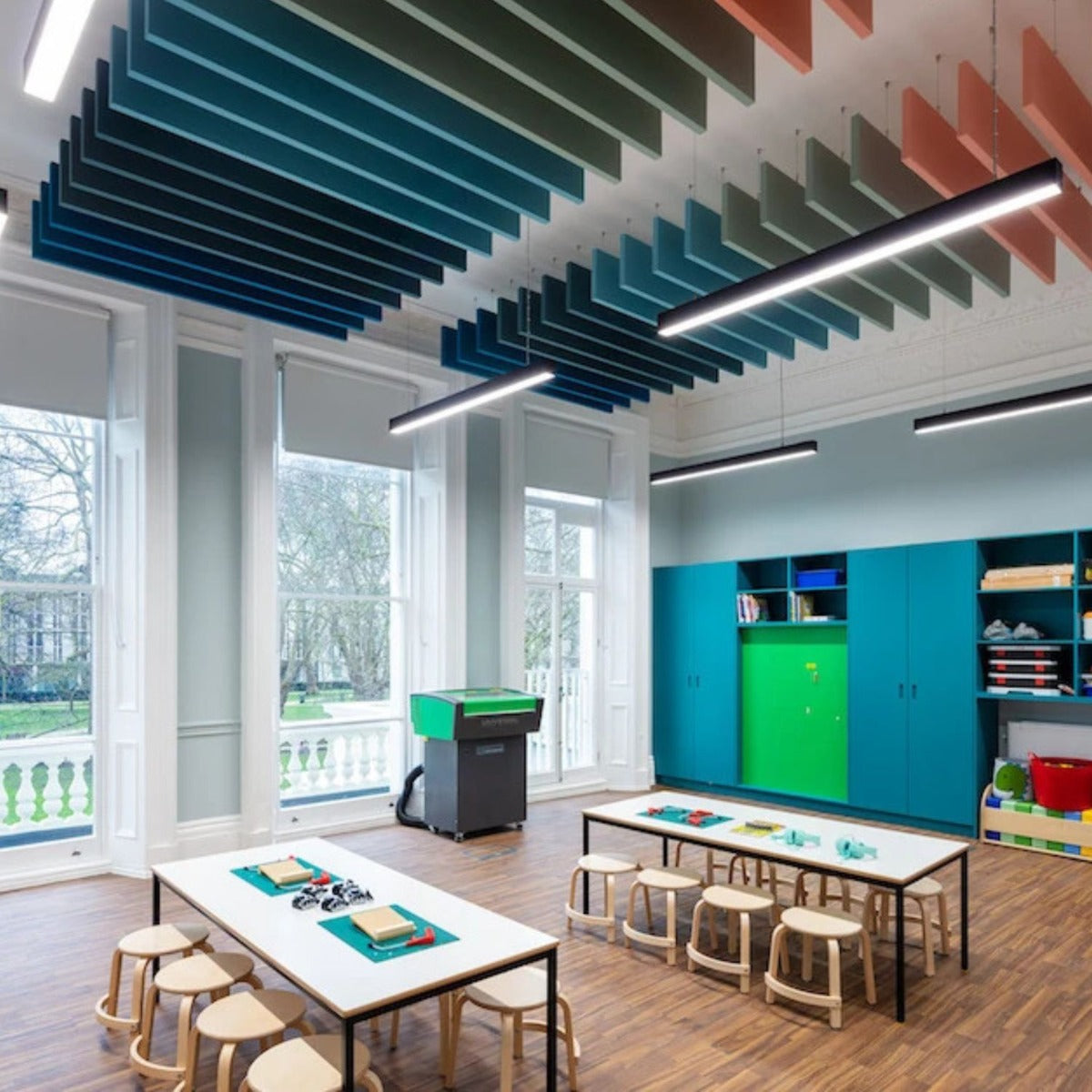
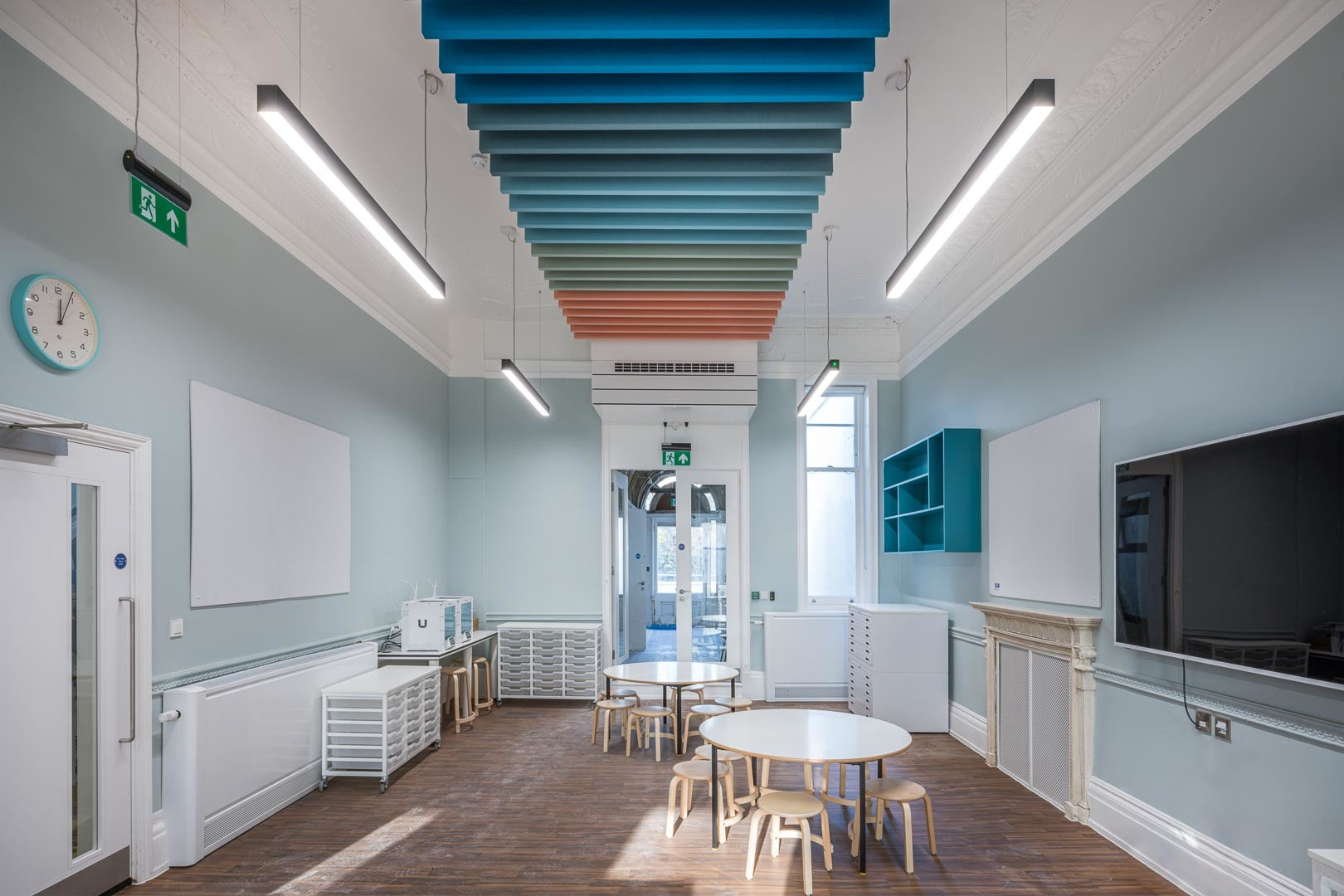
SilentSpace Fabric Wrapped Acoustic Ceiling Baffles - Multiple Sizes
SilentBaffle from SilentSpace is a high performing, cost effective acoustic solution for ceilings. Available in a variety of Camira fabrics. Suspension kits included.
Choose your option




About SONIO
As the world of acoustics has grown, so has the demand for fast, affordable and attractive solutions to common acoustic issues. Sonio was launched as an accessible supplier of acoustic panels which are simple to install, but also provide effective sound absorption to reduce reverberation within your space. With over a decade of experience specialising in acoustics, our team can provide you with clear recommendations on what works and what doesn't.
FAQs
Will acoustic panels stop neighbours hearing my recording?
Will acoustic panels stop neighbours hearing my recording?
No — and this is the most common mix-up among home studio buyers. Acoustic panels absorb sound inside your room to reduce reflections and reverberation, making your recordings cleaner. They don't block sound transmission to other rooms. If your neighbours can hear you (or you can hear them), you need soundproofing — typically mass-loaded vinyl, decoupled wall construction, or a room-within-a-room build. Panels and soundproofing solve different problems and most serious studios need both.
Where should I place panels in my studio?
Where should I place panels in my studio?
The highest priority is first reflection points — the spots on side walls and the ceiling where sound from your monitors bounces directly into your listening position. To find them, sit at your mix position and have someone slide a mirror along the side wall; wherever you can see the speaker in the mirror is a first reflection point. Treat those first. The wall behind your speakers, the rear wall behind your seat, and the ceiling above the mix position are next priorities. Bass traps in corners come last for most home setups but are essential for serious mixing accuracy at low frequencies.
What's the difference between acoustic panels and bass traps — do I need both?
What's the difference between acoustic panels and bass traps — do I need both?
Standard acoustic panels (typically 25-50mm thick) absorb mid and high frequencies effectively but become much less efficient below around 250 Hz. Bass traps are thicker absorbers (typically 100mm+ or air-gap-mounted thinner panels) designed to handle low-frequency build-up in corners. For podcasts, voiceover and most home recording, panels alone are usually enough. For mixing music with bass content, you'll get more accurate translation if you also treat the corners with bass traps or Class A panels mounted with a substantial air gap. SilentSpace fabric-wrapped panels at 40mm with a 50mm+ air gap behind them perform reasonably well at low-mid frequencies — a practical compromise for many home studios.
How many panels do I need?
How many panels do I need?
A typical home studio (10-15m²) needs 6-12 panels for good first-reflection control plus front and rear wall treatment. A small project studio or vocal booth might need 8-16 panels for more comprehensive treatment. A serious mix room benefits from 20+ panels plus bass traps. Cover roughly 25-35% of total wall and ceiling surface as a starting point. The acoustic calculator gives you a more tailored figure based on your specific room dimensions.
Will panels stop my recordings picking up the room?
Will panels stop my recordings picking up the room?
They'll dramatically reduce it but not eliminate it entirely. With panels at first reflection points and on the rear wall, vocals and instruments record much closer to the dry signal — clearer transients, less boxy mid-range, less obvious "in a room" colour. For voiceover and podcast work, that's usually all you need. For dry vocal recording (where you want zero room sound on the source), even treated rooms benefit from a vocal booth, reflection filter, or close-miking technique to fully isolate the source. Panels reduce the problem; mic technique manages what's left.
How do I install studio panels — and can I take them down later?
How do I install studio panels — and can I take them down later?
Most panels in our range fix with adhesive, hangers or snap on mounting systems. SilentSpace and Autex panels are light enough for adhesive on plasterboard. For removable installation (rented properties, temporary studios, future relocation), velcro mounts or French cleat systems lift off without damaging walls. Most home studio installs take an afternoon. Studio booths and ceiling clouds need slightly more planning — happy to advise on layout for a specific room.
How much do studio panels cost — and is it worth more than acoustic foam?
How much do studio panels cost — and is it worth more than acoustic foam?
For a typical 10-15m² home studio, expect £400-£1,200 on materials depending on panel type. Autex Cube and ReFelt panels at the lower end (around £40-80 per panel), SilentSpace fabric-wrapped at the mid-range (£100-200 per panel), bespoke and printed designs at the higher end. Compared to budget acoustic foam (the egg-crate stuff at £30 for 12 tiles), proper panels cost more upfront but deliver substantially better absorption — particularly in the 125-500 Hz range where vocals and instrument body live, and where foam performs poorly. Foam is fine for a temporary podcasting setup. For anything you take seriously, proper panels are worth the difference.
Can panels match my studio's aesthetic?
Can panels match my studio's aesthetic?
Yes — and increasingly studios use panels as design features. PET felt comes in 25+ colours. Fabric-wrapped panels can be specified in Camira, Maharam, Kvadrat or Gabriel finishes. Printed panels can carry artwork, photography or band branding. BAUX wood wool brings warmth and visual texture. The era of utilitarian beige fabric panels is mostly over for home and project studios — most product ranges now hit a design bar that matches the rest of a considered creative space.