














SilentSpace Fabric Wrapped Acoustic Ceiling Raft - Custom Sizes
SilentSpace Fabric Wrapped Acoustic Ceiling Raft - Custom Sizes
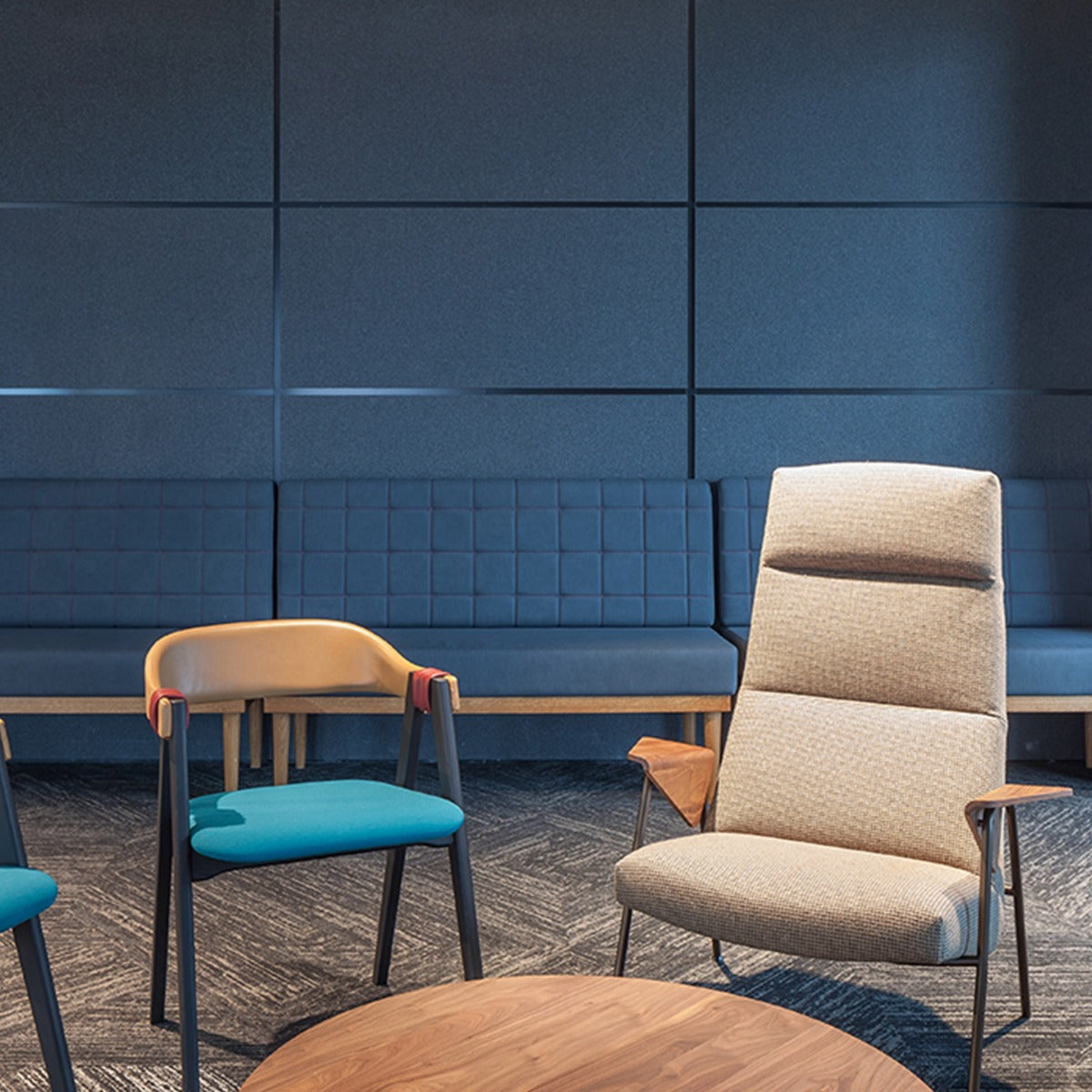
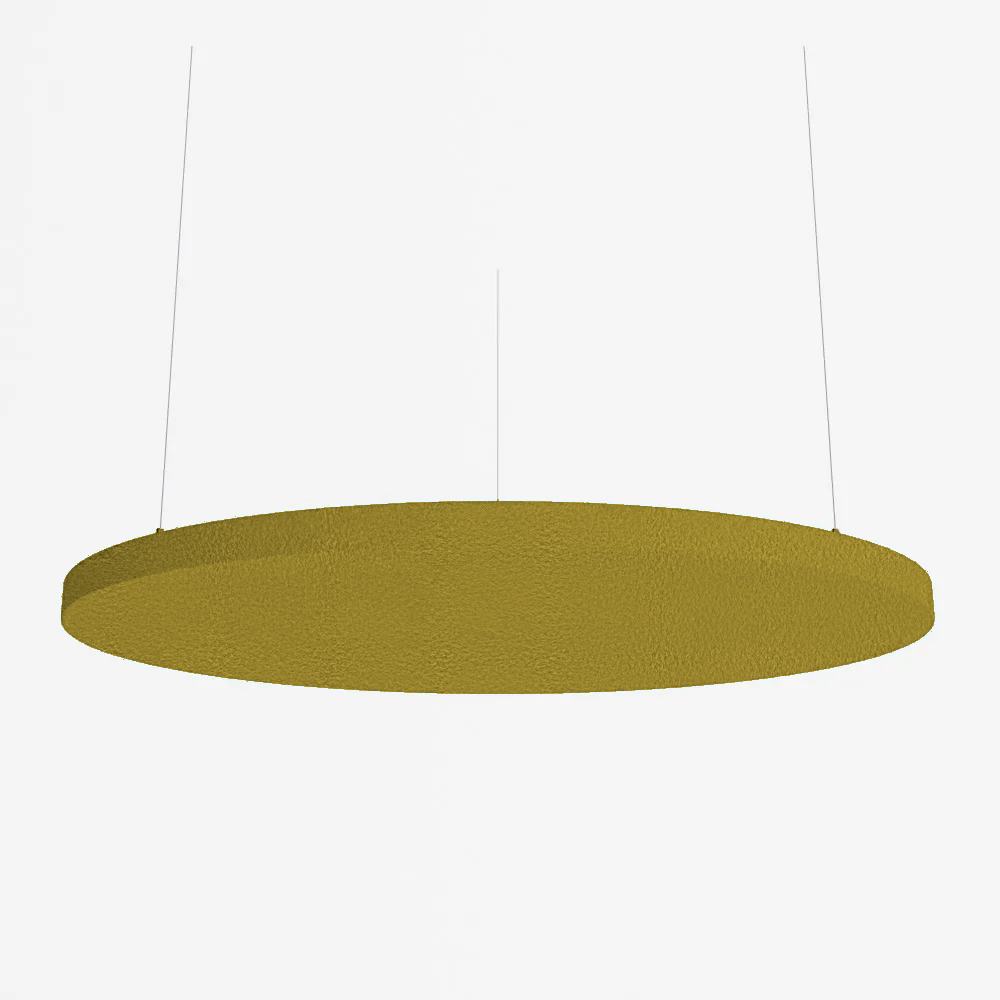
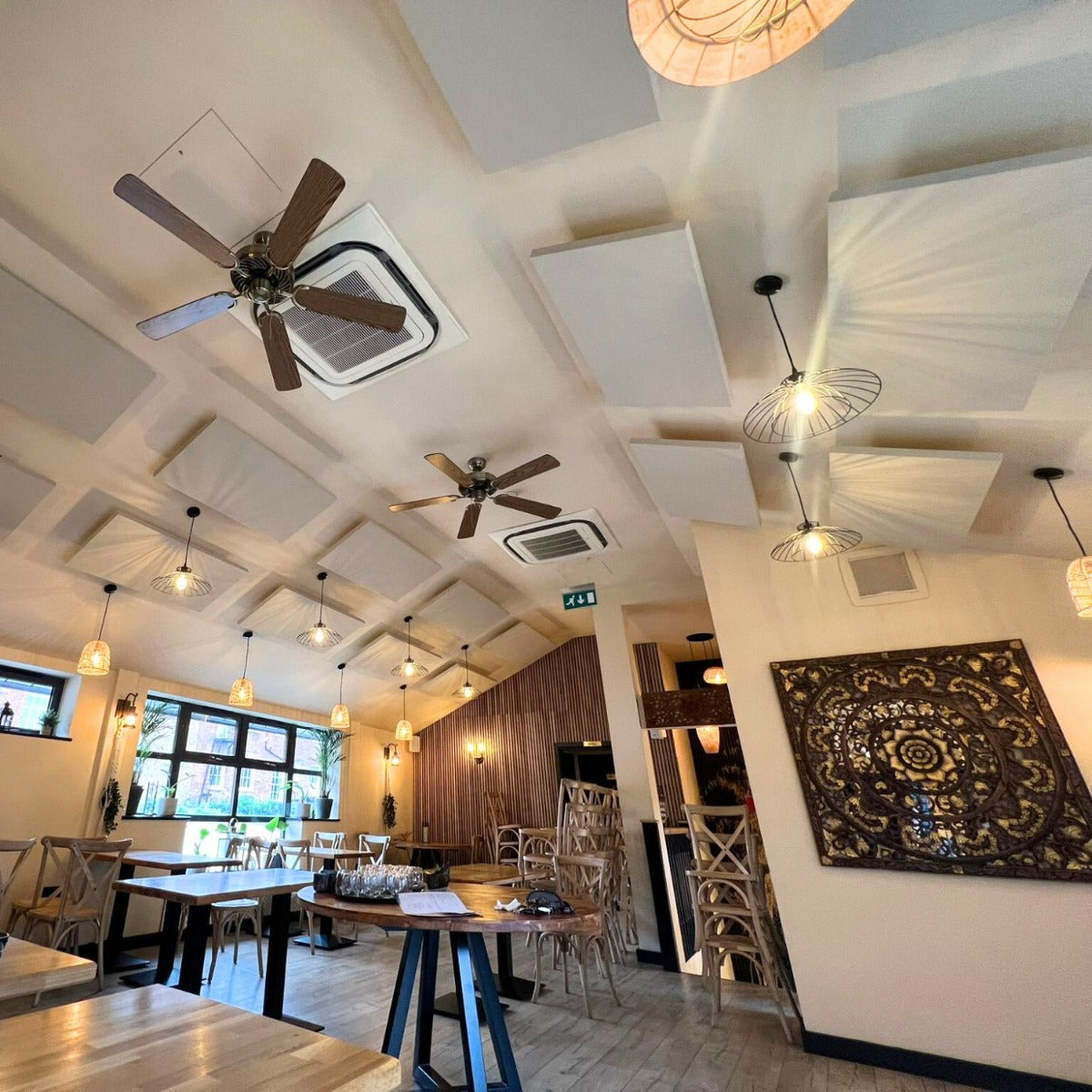
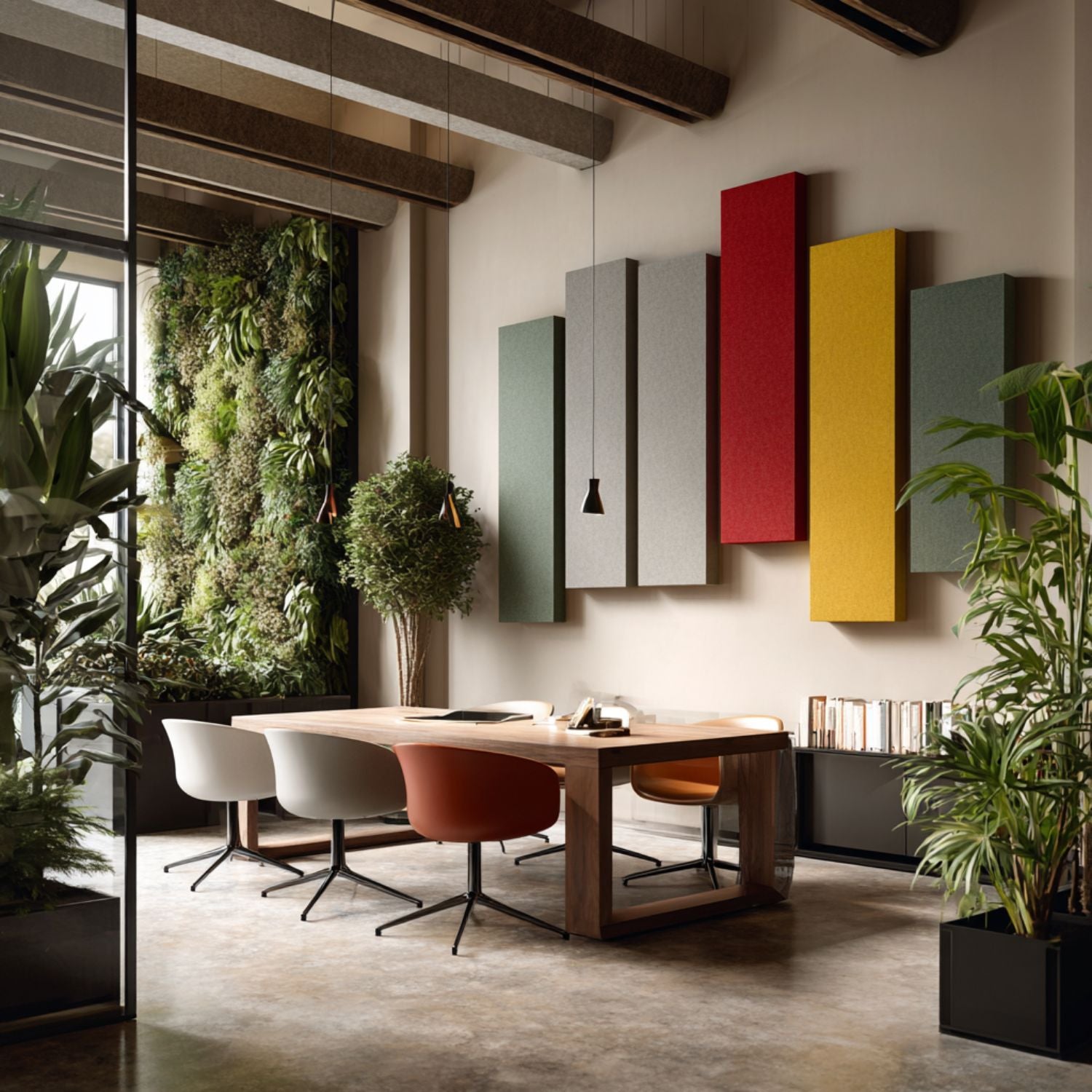
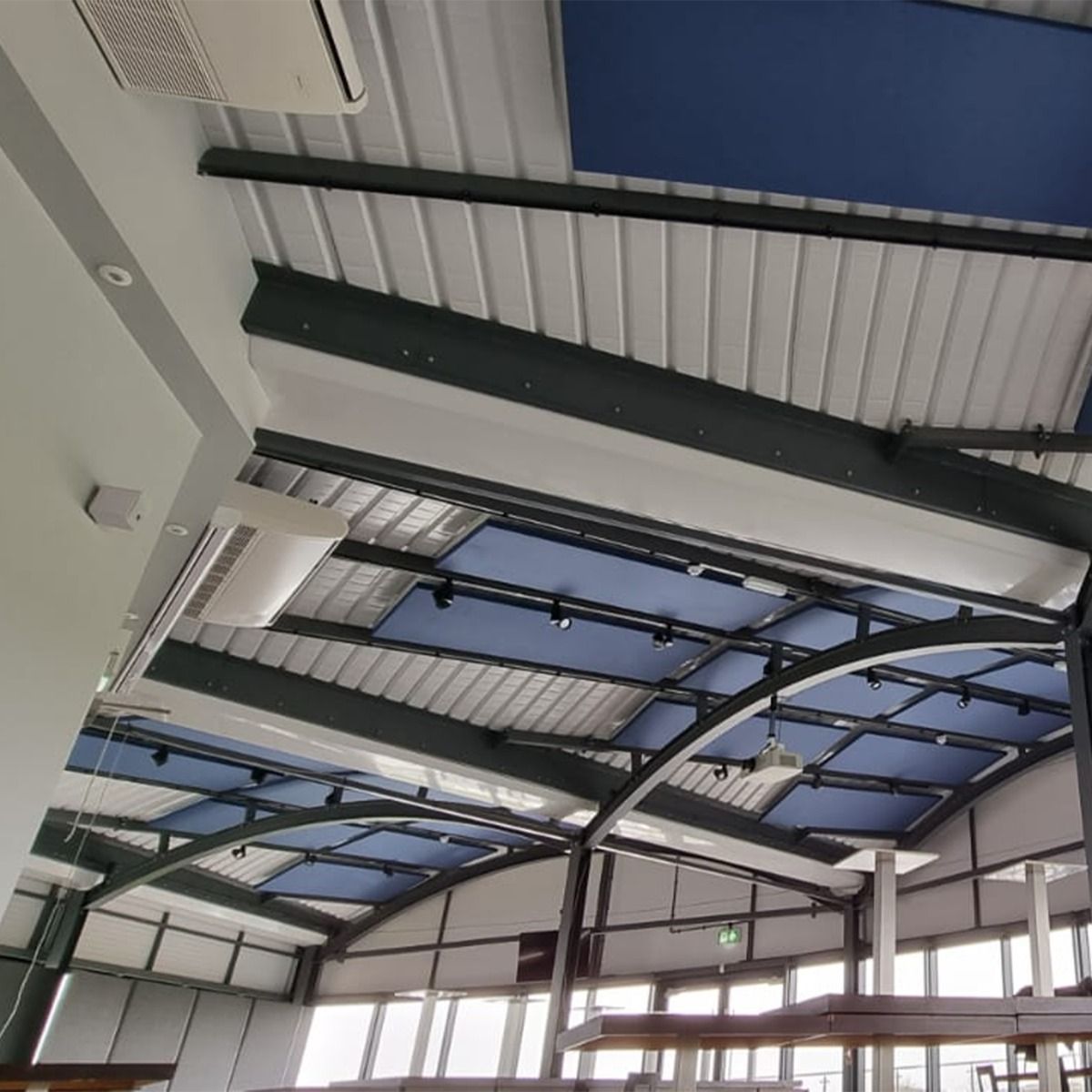
SilentSpace fabric wrapped acoustic rafts are a lightweight, cost effective acoustic solution that is super easy to install. Ideal for reducing reverberation in a wide variety of spaces. Order your panels to your exact size requirements below.
Full DescriptionMade to Order
Get a sample card of the popular range
Couldn't load pickup availability
Instructions & Guides
Instructions & Guides
Please note that prices listed are for supply only. For supply and installation, please contact us before making a purchase


Custom Size Acoustic Rafts
SilentSpace acoustic rafts are now available in fully custom sizes, offering the same outstanding Class A sound absorption with complete design flexibility. Ideal for integrating with lighting layouts, architectural features, or bespoke ceiling configurations, these 40mm suspended panels are wrapped in your choice of Camira fabrics. We supply Camira Lucia or Sonus as standard, with a wide range of alternatives available upon request — just contact us to discuss your needs.

Features and Benefits
Perfect for tailored projects where precision and performance are key.
- Achieves Class A acoustic absorption with 40mm thickness
- Custom-built to any size or specification to suit your space
- Durable, long-life construction for reliable performance over time
- Wrapped in your choice of Camira fabric – Lucia or Sonus as standard
- Simple ceiling installation using Gripple Hangers and Spirals (included with your order)
|
Acoustic performance:
| Class A |
|---|---|
|
Best for:
| Cinema/Auditorium, Home Office/Domestic, Meeting/AV Room, Museum/Library, Office, Restaurant/Hotel, School/Classroom, Studio, Village/Church Hall |
|
Delivery from:
| 10 |
|
Lead time:
| 2-3 Weeks |
|
Manufacturer:
| Silent Space |
|
Panatone fabric:
| Fabric |
|
Surface:
| Ceilings |

CONFIGURE YOUR PANELS

STEP 1
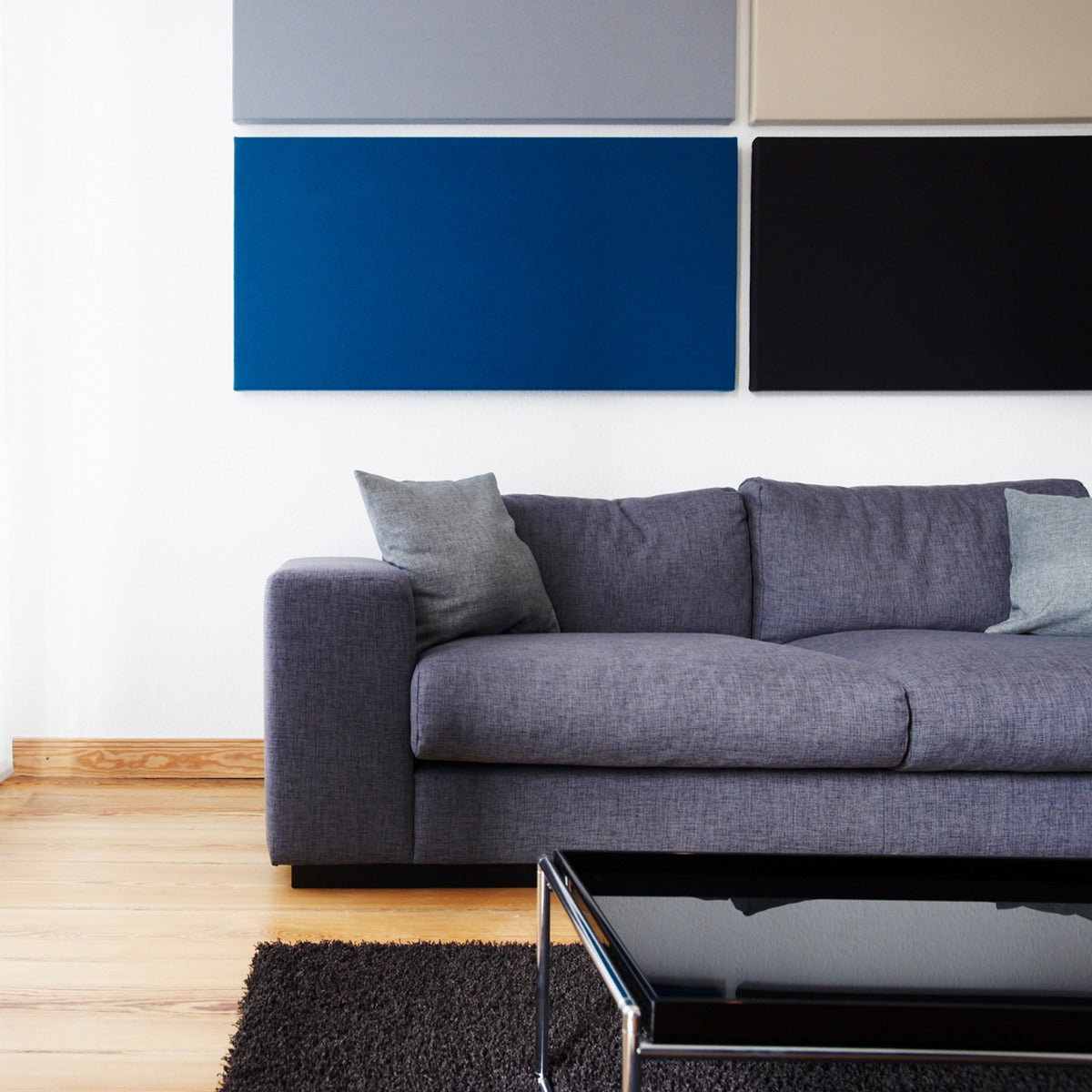
Select your fabric colour from the popular Camira Lucia and Sonus fabric range.

STEP 2
Choose from 2 panel thicknesses. 25mm thick panels are Class C absorbers. The 40mm thick panels are Class A absorbers.

STEP 3
Sonio allows you to order your Silent Space fabric acoustic panels to your exact size requirements. Maximum size is 2400 x 1200mm. The smallest size is 300 x 300mm.

Add your panels in different colours, sizes and thicknesses and order online with delivery in 10-15 working days!

As standard we will include the appropriate amount of fixings to complete your job!

B2B Inquiry
Sonio brings you a carefully selected range of acoustic products available to purchase online. A decade of experience in the interior acoustics industry working with leading acoustic panel manufacturer brands allows us to recommend simple and effective solutions to common acoustic issues in domestic and commercial environments.
Custom pricing
Custom sales
More than 23 423 products

Bespoke Acoustic
Many of our products can be customised and re-designed to suit different design requirements, site requirements and more. If you have specific requirements, its best to get in touch with our team so we can get all of the information and work with you on an effective solution.

Samples
We understand how important it is to feel confident in your purchase, which is why we offer the option to receive panel samples directly to your home. This allows you to experience the exceptional quality and craftsmanship of our products firsthand.
FAQs
Why do churches have acoustic problems?
Why do churches have acoustic problems?
Churches were historically designed with long reverberation times — ideal for unaccompanied choral music and organ, where the sustained sound creates warmth and presence. The problem comes when the same space is used for sermons, modern worship bands, or community events: speech becomes muddy, amplified music distorts, and congregations strain to follow. Hard stone, plaster, glass and timber surfaces all reflect sound rather than absorbing it.
Won't acoustic treatment ruin the natural sound of the building?
Won't acoustic treatment ruin the natural sound of the building?
Not if it's done properly. Most churches don't need or want a "dead" acoustic — the goal is usually to bring reverberation down to a level where speech is intelligible while keeping enough warmth for music. A typical target is 1.5–2 seconds RT60, down from the 4–6 seconds many untreated churches have. Targeted treatment of reflective surfaces — typically the rear wall and any large flat surfaces — preserves the building's musical quality while solving the speech problem.
Where should panels be placed in a church?
Where should panels be placed in a church?
The most effective locations are usually the rear wall (which causes the most problematic reflections back to the congregation), large flat side walls, and the ceiling above the nave for very tall spaces. Areas behind pews, on dado-height walls, and under balconies are also useful. Listed and heritage buildings often need careful consultation — happy to advise on what's possible without compromising the building's character.
Can panels be installed in a listed or heritage building?
Can panels be installed in a listed or heritage building?
Often yes, but listed building consent is usually required. Reversible installation (panels that can be removed without damaging the substrate) is typically what heritage officers want to see. We've supplied projects in Grade I and Grade II listed churches across the UK — our sister company Resonics can liaise with conservation officers and design fully reversible installations.
What about the church's musical heritage — choirs, organs, hymn-singing?
What about the church's musical heritage — choirs, organs, hymn-singing?
The aim of acoustic treatment in a church is balance, not deadening. Targeted treatment of speech-frequency reflections (mid-to-high frequencies) leaves lower frequencies — the warmth of organ pedals and choral bass — largely untouched. A well-designed installation makes sermons intelligible while preserving musical resonance. For churches with an active music programme, we'll usually recommend a survey before installation.
How much does acoustic treatment for a church cost?
How much does acoustic treatment for a church cost?
For a small parish church (50–100 capacity), expect £2,000–£4,000 on materials. Larger churches and cathedrals naturally cost more — typically £5,000–£15,000+ for medium parish churches, and bespoke quotations for cathedral-scale spaces. Many churches treat their acoustic project as a phased capital improvement, starting with the rear wall and adding more as funds allow.
Can volunteers install the panels?
Can volunteers install the panels?
For most products, yes. Lightweight wall panels can be fitted with adhesive or simple mechanical fixings — no specialist tools needed. Suspended ceiling panels and baffles in larger churches usually need access equipment (scaffolding or scissor lift) and are better handled by professional installers. We can advise on which products in our range suit volunteer installation.
Will panels meet fire safety standards for public buildings?
Will panels meet fire safety standards for public buildings?
Yes. Many panels have UK/EU fire classification suitable for places of worship — typically Euroclass B-s1,d0 or higher under BS EN 13501-1. Some heritage buildings have specific local requirements; we'll happily provide certification documents to support listed building or insurance applications.